31 Wellesley Ave.
Needham Heights, MA 02494



The Positive Impact of Regular Vet Visits on Your Pet’s Quality of Life
As a pet owner, ensuring your furry friend is happy and healthy is a top priority. One of the most effective ways to support your pet’s well-being is through regular veterinary visits. Just like humans need annual checkups, your pet requires routine vet care to stay in optimal health throughout their life. These visits provide numerous benefits beyond vaccinations, helping identify potential health issues before they become serious.
This blog is especially for pet owners in Needham, MA, who want to understand the importance of regular vet visits for maintaining their pets’ quality of life. In this guide, we will explore how regular checkups contribute to your pet’s long-term health, the common health concerns that can be detected early, and how these visits can improve your pet’s comfort, happiness, and longevity.
By the end of this blog, you’ll have a clear understanding of why regular veterinary visits are essential for your pet’s health and well-being, and how to make the most of each visit.
Routine Checkups as Building Blocks of Your Pet’s Well-being
Regular veterinary visits are an essential part of maintaining your pet’s overall health. These checkups offer a proactive approach to addressing health issues before they become more serious. Not only do they help prevent disease, but they also ensure that any changes in your pet’s health are caught early, when treatment is often more effective.
Just like us, pets age and go through changes in their health over time. As they grow older, they can be more susceptible to conditions like arthritis, kidney disease, heart problems, and even cancer. A regular vet visit allows your veterinarian to monitor these changes and provide preventative care, reducing the risk of serious conditions developing.
In addition to keeping your pet healthy, these visits strengthen the bond between you and your pet’s healthcare provider, allowing you to stay informed about your pet’s health needs and make the best decisions for their care.
Key Benefits of Regular Veterinary Visits
Routine vet visits offer a wealth of benefits for both you and your pet. Below are the key advantages of keeping up with regular checkups:
1. Early Detection of Health Issues
Many health conditions in pets develop slowly, often going unnoticed until they’ve become more advanced. During a regular vet visit, your veterinarian conducts a thorough examination, checking for signs of illness that may not yet be visible to you. Early detection can significantly improve the chances of successful treatment.
Common conditions such as dental disease, ear infections, and even cancer can be detected early during these visits, often before your pet shows obvious signs of illness. Detecting these conditions in their early stages means quicker treatment, fewer complications, and a better outcome for your pet.
2. Updated Vaccinations and Preventive Care
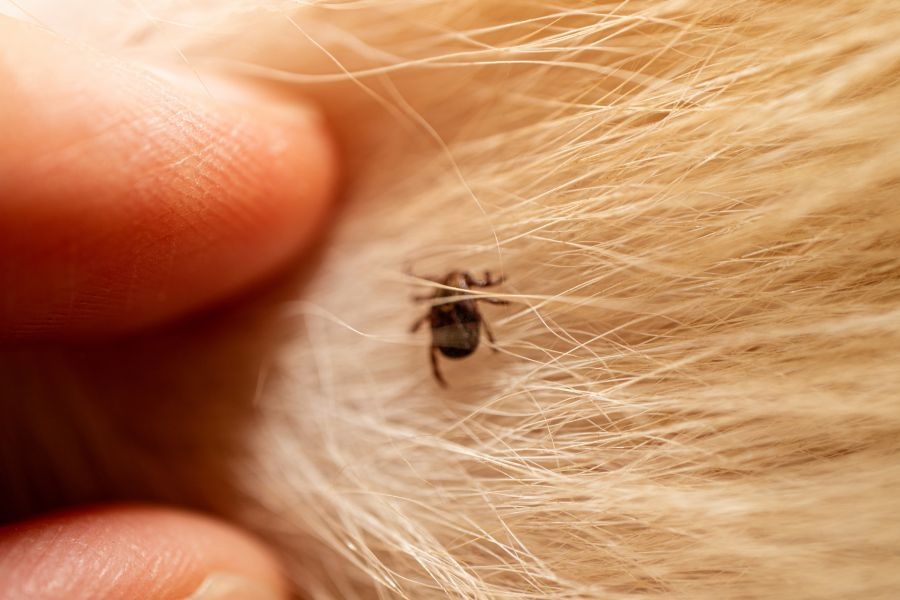
Routine vet visits are an opportunity to ensure your pet is up to date on vaccinations, flea and tick prevention, and other routine treatments. Keeping your pet’s vaccines current is crucial to protect them from contagious diseases, while preventive care, such as heartworm and parasite testing, helps keep them safe from external threats.
Preventive treatments like spaying or neutering, dental care, and microchipping are also essential parts of a well-rounded veterinary visit. These treatments help protect your pet from health issues, ensure they live longer, and reduce unwanted behavior problems.
3. Weight Management and Nutritional Guidance
One of the most important aspects of maintaining your pet’s health is ensuring they maintain a healthy weight. Obesity is a common issue that can lead to various health problems, including diabetes, joint pain, and heart disease. A veterinarian can assess your pet’s body condition and recommend dietary changes or exercise routines to help them stay fit.
During routine visits, your vet can provide personalized nutritional guidance based on your pet’s age, breed, and health status, helping you make informed decisions about their diet. Proper nutrition is vital for keeping your pet energized and in good shape as they age.
4. Monitoring Aging Pets
As pets grow older, they face unique health challenges, including arthritis, kidney disease, heart disease, and more. Regular vet visits become even more important for senior pets, as early detection of age-related conditions enables effective management and improved comfort.
During senior wellness exams, your vet will check for common conditions associated with aging pets, such as dental disease, vision and hearing loss, and changes in mobility. Managing these issues early ensures your pet can continue to live a comfortable and fulfilling life in their golden years.
The Components of a Regular Vet Visit: What to Expect
When you bring your pet in for a regular vet visit, the visit typically involves several important steps to ensure their overall health is assessed thoroughly. Here’s what you can expect during a routine veterinary checkup:
1. Physical Examination
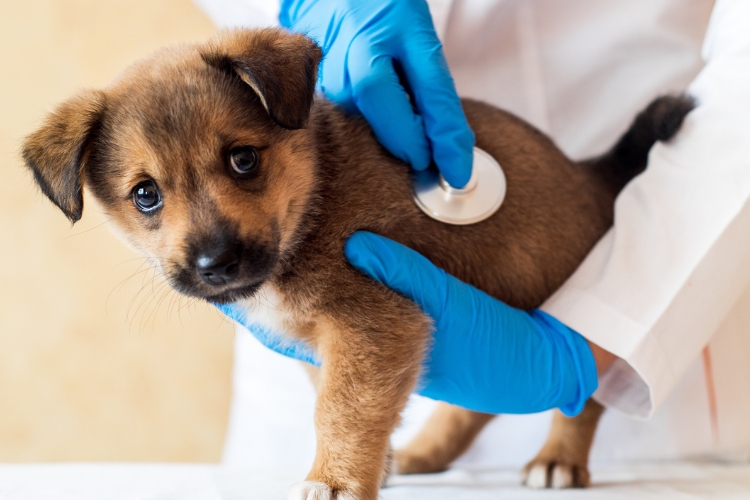
During the examination, your veterinarian will check your pet’s overall physical condition, including their weight, temperature, heart rate, and respiration. They will examine your pet’s skin, coat, eyes, ears, and teeth for any abnormalities, helping to identify potential problems such as infections, parasites, or dental disease early.
2. Vaccinations and Preventive Care
Your vet will review your pet’s vaccination schedule and ensure they’re up to date on important vaccines. They will also discuss any necessary preventative treatments, such as flea and tick medications, heartworm prevention, and dental cleanings. These preventative measures are vital for your pet’s long-term health.
3. Blood Tests and Screenings
Depending on your pet’s age, breed, and health history, your vet may recommend blood tests or other diagnostic screenings to check for underlying issues. Routine bloodwork is particularly important for senior pets, as it can help detect early signs of diseases such as kidney disease, diabetes, and liver problems. Regular screenings give you a clearer picture of your pet’s health and allow your vet to make informed recommendations.
4. Behavioral and Nutritional Consultation
Your veterinarian may ask about any changes in your pet’s behavior, eating habits, or exercise routine. These questions can help detect issues that may not be immediately visible. Additionally, your vet can provide guidance on nutrition and exercise based on your pet’s unique needs, helping you create a healthy lifestyle plan for them.
The Importance of Regular Vet Visits for Senior Pets
As your pet ages, regular veterinary visits become even more critical. Senior pets face unique health challenges, and early detection of these issues can significantly improve their quality of life. Here’s why regular vet visits are crucial for senior pets:
1. Chronic Disease Management
Many senior pets suffer from chronic conditions such as arthritis, kidney disease, or diabetes. Routine veterinary visits allow your vet to monitor these conditions, adjust medications as necessary, and ensure your pet is as comfortable as possible.
2. Pain Management
Senior pets are more likely to experience pain due to conditions like arthritis or dental disease. Regular checkups provide an opportunity to discuss pain management options with your vet, including medications, supplements, and therapies such as laser treatment or acupuncture.
3. Cognitive Health
As pets age, they may experience cognitive dysfunction syndrome (CDS), which is similar to dementia in humans. Regular vet visits allow your veterinarian to assess your pet’s cognitive health and recommend strategies to manage CDS symptoms, such as changes in routine or dietary adjustments.
Prioritize Your Pet’s Health With Regular Vet Visits
Regular veterinary visits are the cornerstone of good health for your pet. These checkups provide an opportunity to catch potential health issues early, prevent diseases, and ensure your pet is comfortable and happy. Whether your pet is young or a senior, staying proactive about their health through routine vet visits is essential for their overall well-being.
If you’re in Needham, take the first step in ensuring that your pet enjoys a long, healthy life by booking an appointment with a veterinarian near you at Highland Animal Hospital. These visits offer peace of mind, knowing that a trusted veterinarian is closely monitoring your pet’s health. Contact us today and ensure your pet’s health and happiness for years to come!
FAQs
1. How often should I take my pet to the vet?
Typically, adult pets should visit the vet at least once a year, while senior pets or those with health issues may require more frequent visits. Your veterinarian will recommend a schedule based on your pet’s age and health.
2. What happens during a regular vet visit?
A routine vet visit includes a physical examination, vaccinations, preventive treatments, blood tests, and a discussion about your pet’s behavior and health. Your vet will check for any signs of illness or changes in your pet’s condition.
3. What should I bring to my pet’s vet appointment?
Bring any medical records, especially if your pet has been seen by another vet or clinic recently. Also, make a note of any behavioral changes or concerns you’ve noticed with your pet.
4. Why are vet visits important for senior pets?
Senior pets are at higher risk for conditions like arthritis, kidney disease, and cognitive dysfunction. Regular vet visits help monitor these conditions and provide early intervention to manage them effectively.
5. Can regular vet visits help prevent obesity in pets?
Yes, during regular visits, your vet will assess your pet’s weight and offer guidance on diet and exercise. Keeping your pet at a healthy weight is crucial for preventing obesity-related conditions like heart disease and arthritis.
6. What if my pet is nervous about vet visits?
If your pet gets anxious during vet visits, talk to your veterinarian about strategies to help them feel more comfortable. Many vets offer calming techniques or medications to ease your pet’s anxiety during appointments.