31 Wellesley Ave.
Needham Heights, MA 02494



The 3-3-3 Rule for Kittens: A Complete Guide for New Pet Owners
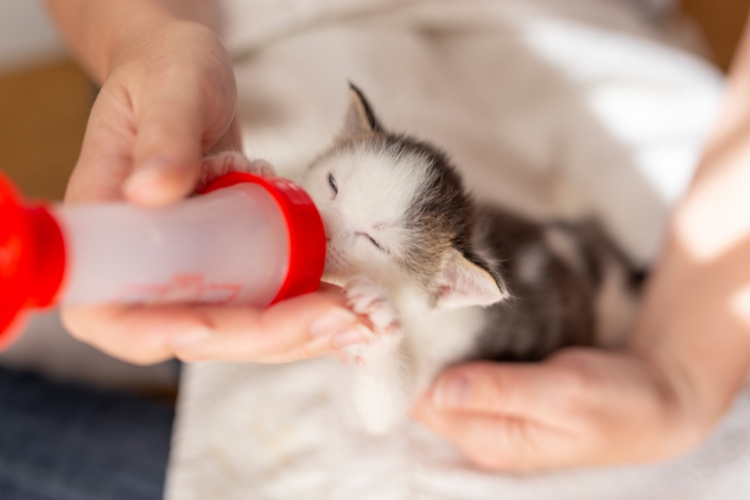
Bringing a new kitten home is an exciting experience. However, it also comes with responsibilities and challenges. Many new pet owners expect their kitten to adjust instantly, but that is rarely the case. Just like humans, kittens need time to adapt to new surroundings, people, and routines.
This is where the 3-3-3 rule for kittens becomes incredibly helpful. It provides a simple yet effective framework to understand your kitten’s emotional and behavioral transition during the first few weeks. By following this rule, you can reduce stress and help your kitten feel safe and secure.
At Highland Animal Hospital, we guide pet owners through every stage of their pet’s life. Whether you are adopting your first kitten or adding another furry member to your family, understanding this rule will make the transition smoother. This guide is especially useful for pet owners in Needham Heights, MA.
What Is the 3-3-3 Rule for Kittens?
The 3-3-3 rule outlines three important timeframes in your kitten’s adjustment period:
- First 3 Days: Feeling overwhelmed and cautious
- First 3 Weeks: Beginning to settle in
- First 3 Months: Building trust and confidence
This timeline helps set realistic expectations. Instead of worrying about your kitten’s behavior, you can understand what is normal and what requires attention.
First 3 Days: Adjusting to a New Environment
During the first few days, your kitten may feel scared or anxious. After all, they have been separated from their mother, siblings, and familiar surroundings.
What to Expect
- Hiding under furniture
- Limited appetite
- Minimal interaction
- Soft or no vocalization
These behaviors are completely normal. Your kitten is simply trying to process the new environment.
How to Help
First, create a quiet and safe space. A small room with food, water, a litter box, and a cozy bed works best. Avoid overwhelming your kitten with too many visitors or loud noises.
Additionally, let your kitten approach you instead of forcing interaction. Sit nearby and speak softly. Over time, your presence will feel reassuring.
Most importantly, start a gentle kitten care routine early. Consistency in feeding and cleaning helps your kitten feel secure.
First 3 Weeks: Settling In
After the initial adjustment, your kitten will begin to explore their surroundings. This stage is all about curiosity and gradual comfort.
What to Expect
- Increased activity and playfulness
- Exploring different areas of your home
- Beginning to bond with family members
- Establishing eating and sleeping patterns
At this point, your kitten’s personality will start to shine.
How to Help
Now is the perfect time to introduce structured routines. Feed your kitten at the same times daily. Provide interactive toys to encourage physical and mental stimulation.
Furthermore, introduce gentle handling. This helps your kitten become comfortable with human touch, which is essential for grooming and veterinary visits.
You should also schedule a veterinary checkup during this stage. Early health assessments ensure your kitten is growing properly and free from underlying issues.
First 3 Months: Building Trust and Confidence
By the third phase, your kitten should feel much more comfortable in their new home. Trust begins to develop, and your bond strengthens significantly.
What to Expect
- Confident exploration
- Strong attachment to family members
- Playful and energetic behavior
- Better response to training
This is the ideal time to reinforce positive habits.
How to Help
Focus on training and socialization. Teach your kitten where to scratch, where to sleep, and how to interact appropriately.
Additionally, provide scratching posts and climbing structures. These not only prevent destructive behavior but also support physical development.
Consistent kitten care during this stage ensures long-term health and happiness.
Essential Tips for New Kitten Owners
While the 3-3-3 rule provides a timeline, there are additional steps you should follow to ensure your kitten thrives.
1. Provide Proper Nutrition
Always choose high-quality kitten food. Young cats need nutrient-rich diets to support growth and energy.
2. Maintain Litter Box Hygiene
Keep the litter box clean and accessible. Kittens quickly learn good habits when their environment is well-maintained.
3. Schedule Regular Vet Visits
Routine checkups help detect issues early. Vaccinations, deworming, and preventive care are essential.
4. Encourage Play and Exercise
Interactive play strengthens your bond and keeps your kitten physically active.
5. Create a Safe Environment
Remove hazards such as loose wires, toxic plants, and small objects that can be swallowed.
Common Mistakes to Avoid
Even with the best intentions, new pet owners can make mistakes. Avoid these common pitfalls:
- Rushing the adjustment process
- Forcing interaction too soon
- Ignoring early signs of stress or illness
- Inconsistent feeding schedules
- Skipping veterinary visits
By staying patient and attentive, you can prevent these issues.
Why the 3-3-3 Rule Matters
Understanding this rule helps you build a stronger relationship with your kitten. Instead of feeling frustrated, you can approach each stage with confidence.
Moreover, it allows you to:
- Reduce your kitten’s anxiety
- Set realistic expectations
- Establish healthy routines
- Strengthen trust and bonding
Ultimately, this leads to a happier and healthier pet.
Local Support for Kitten Owners
Having access to professional veterinary care makes a significant difference. At Highland Animal Hospital, we provide personalized guidance tailored to your kitten’s needs.
From nutrition advice to preventive care, our team ensures your pet gets the best start in life. If you are a pet owner in Needham Heights, MA, having a trusted veterinary partner nearby gives you peace of mind.
The 3-3-3 rule for kittens is a simple yet powerful guide for new pet owners. By understanding each stage of adjustment, you can support your kitten’s emotional and physical well-being.
Patience, consistency, and proper care are key to helping your kitten thrive. With the right approach, your new companion will grow into a confident and loving member of your family.
If you are in Needham Heights, MA and looking for a kitten care near you, book an appointment with Highland Animal Hospital. Our veterinary team is dedicated to providing expert guidance and compassionate care to help your kitten live a happy, healthy life.
FAQs
1. What does the 3-3-3 rule for kittens mean?
The 3-3-3 rule explains how kittens adjust to a new home over three stages: the first 3 days of feeling overwhelmed, the next 3 weeks of settling in, and the first 3 months of building trust.
2. Is it normal for my kitten to hide during the first few days?
Yes, hiding is a natural behavior. Your kitten is adjusting to a new environment and needs time to feel safe and secure.
3. When will my kitten start feeling comfortable?
Most kittens begin to relax and explore within a few weeks, but full confidence usually develops by the end of three months.
4. How can I help my kitten adjust faster?
Provide a quiet space, maintain a consistent routine, offer gentle interaction, and ensure proper feeding and care to support a smooth transition.
5. Should I introduce my kitten to other pets right away?
No, gradual introductions are best. Allow your kitten to settle in first before meeting other pets to reduce stress and avoid conflicts.
6. When should I schedule my kitten’s first vet visit?
You should take your kitten to the veterinarian within the first few weeks to ensure proper health checks, vaccinations, and early guidance.