31 Wellesley Ave.
Needham Heights, MA 02494



Protecting Your Dog from Ticks and Lyme Disease in Needham’s Wooded Trails and Parks
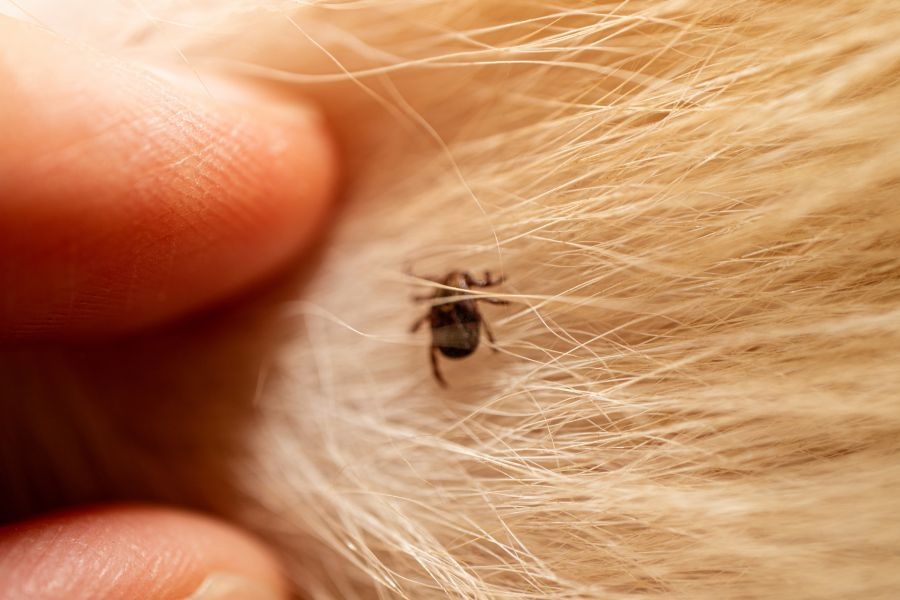
Living in Needham offers incredible perks for dog owners. From exploring the scenic paths of the Needham Town Forest and Ridge Hill Reservation to enjoying weekend walks near Cutler Park, our local landscape provides endless opportunities for canine adventure. However, these beautiful wooded areas, tall grasses, and shaded paths also hide a persistent and tiny threat: ticks.
Tick-borne illnesses, particularly Lyme disease, pose a continuous health risk to dogs throughout Massachusetts. Because deer ticks thrive in humid, wooded environments and tall brush, active dogs are prime targets during peak outdoor seasons. Understanding how these parasites operate, implementing effective prevention strategies, and knowing when to consult a qualified veterinarian near you’ can protect your canine companion from chronic illness. Here at Highland Animal Hospital in Needham, our team frequently educates pet owners on regional parasite risks and proactive screening protocols. Let us explore how you can keep your dog safe while enjoying the great outdoors.
Understanding the Threat of Ticks in Local Habitats
Ticks are resilient arachnids that wait patiently on tall blades of grass, low shrubs, or leaf litter for a passing host, a behavior known as questing. When your dog brushes against infested foliage, the tick climbs aboard and begins searching for a suitable area to feed.
In our region, the blacklegged tick, commonly known as the deer tick, is the primary carrier of the bacteria responsible for Lyme disease. These ticks can be active whenever temperatures rise above freezing, meaning winter thaws and mild spring days can bring them out of dormancy just as easily as peak summer months. Because deer ticks can be as small as a poppy seed during their nymph stage, they are remarkably difficult to spot beneath a thick canine coat without careful, deliberate inspection.
Recognizing the Signs of Lyme Disease in Dogs
Unlike humans, who frequently develop a characteristic circular bullseye rash around a tick bite, dogs rarely show external skin rashes. Instead, canine Lyme disease often presents through internal and systemic symptoms that can take weeks to surface after the initial bite.
Common indicators that your dog may be struggling with a tick-borne infection include:
- Sudden Shifting Leg Lameness: You might notice your dog favoring one leg today and a different leg tomorrow, often accompanied by generalized joint stiffness.
- Lethargy and Reduced Energy: A normally playful dog may display unusual fatigue, reluctance to climb stairs, or a lack of interest in going for walks.
- Fever and Decreased Appetite: Affected dogs frequently run low-grade fevers and turn away from their food bowls due to overall bodily discomfort.
- Swollen Lymph Nodes: Swelling can often be detected near the joints or around the head and neck area as the immune system reacts to the infection.
If left unaddressed, Lyme disease can progress to cause severe kidney complications and chronic joint inflammation. Catching these shifts early through routine veterinary screening is vital for effective medical management.
Comprehensive Prevention Strategies for Needham Pet Owners
Protecting your dog requires a multi-layered defense strategy that combines environmental awareness with reliable veterinary products. No single method provides absolute protection, but layering precautions significantly reduces the likelihood of a successful tick attachment.
- Utilize Reliable Preventives: Speak with a trusted professional at a local veterinary clinic to select oral or topical parasite preventives designed to kill ticks quickly upon contact.
- Maintain Your Yard: Keep your lawn closely mown, clear away piles of damp leaves, and create a physical barrier of wood chips or gravel between wooded edges and your active play zones.
- Stick to Trail Centers: When walking through local conservation lands and parks, keep your dog on cleared paths and avoid letting them plunge deeply into thick brush or fern beds.
- Perform Daily Post-Walk Checks: Run your fingers thoroughly through your dog’s fur after every outdoor excursion, paying special attention to hidden areas like behind the ears, under the collar, around the armpits, and between the toes.
The Importance of Routine Screening and Professional Care
Even the most vigilant pet owners can occasionally miss a tiny deer tick hidden beneath a thick double coat. That is why routine diagnostic screening plays such an essential role in comprehensive canine healthcare. Simple, quick blood tests performed during regular wellness evaluations can detect exposure to tick-borne pathogens long before clinical symptoms disrupt your dog’s daily life.
When you need guidance, personalized prevention plans, or diagnostic testing, finding a reliable ‘veterinarian near me‘ ensures your dog receives prompt, expert attention tailored to our regional disease risks. Establishing a consistent relationship with local animal care professionals guarantees that your pet stays protected season after season.
Partnering with Your Local Needham Animal Care Team
Enjoying beautiful natural spaces with your dog should be a joyful, worry-free experience. By staying proactive with daily checks, modern preventives, and annual veterinary wellness bloodwork, you can effectively safeguard your four-legged family member from the risks posed by ticks and Lyme disease.
Our team at Highland Animal Hospital is proud to serve families throughout the community. Whether you want to discuss advanced parasite prevention options or schedule your dog’s annual health screening, our experienced professionals are here to support you. Reach out to our clinic today to schedule a consultation and help your canine companion stay healthy, active, and protected.
FAQ
Q1. How long does a deer tick typically need to feed on a dog to transmit Lyme disease?
Ans: Research indicates that a deer tick generally needs to remain attached and feeding for approximately twenty-four to forty-eight hours to successfully transmit the bacteria that causes Lyme disease.
Q2. Can indoor-only dogs still contract ticks and tick-borne illnesses in Needham?
Ans: While the risk is much lower, indoor pets can still encounter ticks brought inside on clothing, human shoes, or other household pets that spend time outdoors.
Q3. What is the safest way to remove a tick if I find one attached to my dog’s skin?
Ans: You should use fine-tipped tweezers to grasp the tick as close to the skin’s surface as possible and pull straight upward with steady, even pressure without twisting or crushing the body.
Q4. Why are routine annual blood screenings important for dogs living in tick-heavy regions?
Ans: Annual screening tests can detect antibodies or antigens for tick-borne diseases early, allowing veterinarians to initiate treatment before chronic organ or joint damage develops.
Q5. Are topical and oral tick preventives effective during all twelve months of the year?
Ans: Yes, ticks can become active during any winter thaw when temperatures rise above freezing, making year-round preventive administration crucial for continuous protection.