31 Wellesley Ave.
Needham Heights, MA 02494


How Veterinarians Decide Which Diagnostic Test Should Come First
When a pet is not feeling well, several different explanations may fit the same symptoms. A dog that seems tired could be experiencing a digestive issue, pain, an infection, a metabolic imbalance, or another underlying concern. A cat that stops eating may have a problem involving the stomach, kidneys, liver, teeth, or another part of the body. Because symptoms can overlap, choosing the right diagnostic test is an important part of veterinary care.
Veterinarians do not simply order every available test at once. Instead, they consider the pet’s symptoms, medical history, physical examination, age, lifestyle, and overall condition. This step by step approach helps create a more useful picture of what may be happening.
For pet owners in Needham Heights, understanding how diagnostic decisions are made can make the testing process easier to follow. At Highland Animal Hospital, pet diagnostic care can involve selecting tests based on the individual needs of each patient rather than relying on a single routine approach.
The Process Starts With the Pet’s Symptoms
The first clue is often what the veterinarian notices during the consultation. Changes in appetite, thirst, energy, bathroom habits, weight, breathing, movement, or behavior can all provide useful information.
However, one symptom rarely points to only one possible condition. For example, increased thirst may be connected to several different health concerns. Vomiting can also have numerous causes, ranging from a temporary digestive problem to an issue requiring more detailed evaluation.
The veterinarian considers the pattern rather than focusing on one symptom alone. When did the change begin? Has it become more frequent? Are other symptoms occurring at the same time? These details help determine which diagnostic direction makes the most sense.
The Physical Examination Helps Narrow the Options
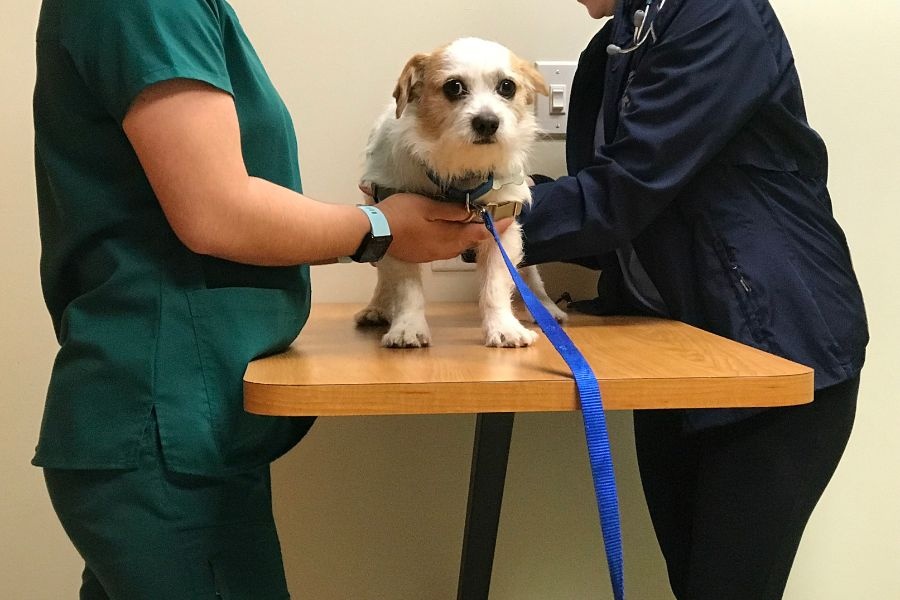
Before deciding which test should come first, the veterinarian performs a physical examination. This allows them to gather information that cannot be obtained from the owner’s observations alone.
The examination may include checking the pet’s heart and breathing, listening to the abdomen, examining the mouth, evaluating the skin and coat, feeling areas of the body for discomfort, and assessing movement or other physical changes.
These findings can significantly influence the next step. If the examination suggests that the problem may involve a particular body system, testing can be selected to investigate that possibility more closely.
This is one reason pet diagnostic care is not simply a list of standard tests. The information gathered during the examination helps determine what should be investigated first.
Medical History Can Change the Testing Order
A pet’s previous health history can provide important context. A veterinarian may consider earlier illnesses, ongoing health concerns, previous procedures, medications, changes in weight, and past diagnostic findings.
Suppose a pet has previously experienced a particular health problem and now develops related symptoms. The veterinarian may prioritize testing that can determine whether the previous concern has returned or changed.
Age and lifestyle also matter. A young, active pet and an older pet with an established medical history may require very different diagnostic approaches even when they show a similar symptom.
A detailed history therefore helps the veterinarian avoid unnecessary testing while directing attention toward the most relevant possibilities.
Basic Testing May Provide Valuable First Clues
In many situations, initial laboratory testing can provide broad information about how the body is functioning. Depending on the symptoms, this may include blood work, urine testing, or other laboratory evaluations.
These tests can reveal changes that are not obvious from the physical examination. For example, laboratory findings may provide information about blood cell levels, organ function, hydration, or other internal processes.
The purpose of starting with these tests is not always to provide an immediate final diagnosis. Instead, they can help identify patterns and determine whether additional testing is needed.
This is where advance testing may become useful. When initial findings raise a specific question, more targeted diagnostic methods can be considered.
Imaging May Be More Useful for Certain Symptoms
Laboratory tests are not the right starting point for every situation. Some problems are better investigated through imaging.
If a veterinarian is concerned about an issue involving the abdomen, bones, joints, or another physical structure, imaging may provide information that blood or urine testing cannot.
The type of imaging selected depends on the question the veterinarian is trying to answer. A particular imaging method may be useful for examining certain structures, while another may provide a different level of detail.
The important point is that imaging is selected for a reason. The veterinarian considers what information is already available and what information is still missing before deciding whether imaging should come before or after laboratory testing.
Testing Often Works Like a Series of Questions
A useful way to understand veterinary diagnostics is to think of each test as an answer to a question.
The first question might be, “Is there evidence of an internal health problem?” A broad laboratory evaluation could help answer that.
If the results suggest that a particular body system needs closer attention, the next question might be, “What could be causing this change?” More targeted laboratory work or imaging may then be appropriate.
If imaging identifies an unusual finding, another test could be considered to learn more about its nature.
This process allows diagnostic care to develop as information becomes available. Rather than treating every test as an isolated procedure, the veterinarian uses one set of findings to decide what should happen next.
Advance Testing Is Considered When More Detail Is Needed
Sometimes initial testing does not fully explain a pet’s symptoms. In other cases, the first results may point toward a specific concern that requires additional investigation.
This is when advance testing may be discussed. More specialized diagnostic methods can provide additional information when routine evaluations leave important questions unanswered.
The decision depends on the individual patient. The veterinarian considers the pet’s symptoms, existing findings, overall condition, and the value of obtaining additional information.
Testing should have a purpose. A more complex test is not automatically more useful simply because it provides more data. The goal is to obtain information that can meaningfully guide the next stage of care.
The Pet’s Condition Can Affect What Comes First
The order of diagnostic tests may also change depending on how the pet is doing at the time of evaluation.
A veterinarian may prioritize information that can quickly clarify important aspects of the pet’s current condition. Other cases may allow for a more gradual diagnostic process, beginning with a detailed examination and basic testing.
This individualized approach is particularly important because pets can respond differently to illness. Their age, size, existing health concerns, and physical condition may all influence diagnostic decisions.
Why Owners Should Share Small Changes
Pet owners play an important role in the diagnostic process. A veterinarian can only work with the information available, so seemingly minor observations can be valuable.
Tell your veterinarian about changes in eating, drinking, activity, sleep, bathroom habits, weight, behavior, or mobility. Mention when the change started and whether it has become more noticeable.
If possible, keep track of how often a symptom occurs. A clear timeline can help the veterinarian recognize patterns and decide which diagnostic question should be addressed first.
Personalized Pet Diagnostic Care in Needham Heights
There is no universal testing sequence that works for every pet. The appropriate starting point depends on what the veterinarian learns from the history, examination, symptoms, and previous medical information.
At Highland Animal Hospital in Needham Heights, pet diagnostic care can be approached with the goal of gathering useful information in a logical order. When additional detail is needed, advance testing may become part of the diagnostic plan.
The ultimate purpose of veterinary diagnostics is not simply to perform tests. It is to understand what is happening inside the pet and use that information to guide appropriate care.
Schedule a Veterinary Appointment
If you have noticed changes in your pet’s health, behavior, appetite, activity, or daily routine, scheduling a veterinary appointment can help you understand what may be happening. Contact Highland Animal Hospital to arrange an appointment and discuss whether diagnostic testing may be appropriate for your pet.
FAQ or Frequently Asked Questions
Q1. How does a veterinarian decide which diagnostic test to perform first?
Ans: The veterinarian considers the pet’s symptoms, physical examination, medical history, age, and overall condition. These details help identify which test is most likely to provide useful information first.
Q2. Does every pet with similar symptoms need the same diagnostic tests?
Ans: No. Similar symptoms can have different causes, and each pet has a unique medical history. Testing is selected according to the individual patient’s circumstances and the questions the veterinarian needs to answer.
Q3. When might advance testing be recommended?
Ans: Advance testing may be considered when initial diagnostic results do not fully explain the symptoms or when more detailed information is needed to investigate a specific concern.
Q4. Can a physical examination determine whether testing is necessary?
Ans: A physical examination provides valuable information, but additional testing may still be needed. The examination helps the veterinarian determine which diagnostic methods could provide the most useful additional information.
Q5. What information should pet owners provide before diagnostic testing?
Ans: Owners should share details about recent changes in appetite, drinking, activity, behavior, weight, bathroom habits, and other noticeable symptoms. A timeline of changes can also help the veterinarian plan the diagnostic process.