31 Wellesley Ave.
Needham Heights, MA 02494


Multi-Pet Introductions: Introducing a New Kitten to a Resident Adult Pet
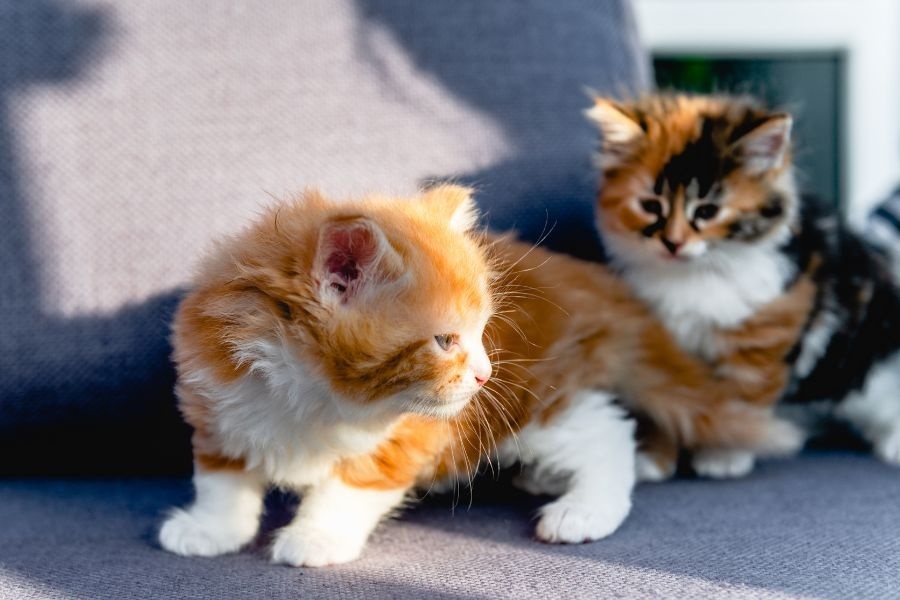
Bringing a new kitten into your home is an exciting milestone, but it can also change the routine of your resident pet. Whether you already have an adult cat or a dog, the arrival of a curious young feline introduces unfamiliar scents, sounds, and behaviors into an established living space. Without a thoughtful introduction, your resident pet may feel unsettled, territorial, or unsure about sharing attention and resources.
For families in Needham Heights and Wellesley, successful kitten care begins before the first face-to-face meeting. A gradual, scent-first introduction gives both animals time to become familiar with each other without feeling pressured. Understanding the 3-3-3 rule for kittens, preparing separate spaces, and arranging an appropriate first vet visit can help make the transition more comfortable for everyone.
Understanding the 3-3-3 Rule for Kittens
The 3-3-3 rule is a general adjustment guideline often used when bringing a newly adopted pet into a home. It describes three broad stages of settling in: approximately three days to decompress, three weeks to become more familiar with household routines, and three months to build a stronger sense of security and belonging.
These are not strict deadlines. Some kittens become comfortable quickly, while others need considerably more time. Their experiences before adoption, temperament, age, and interactions with other animals can all influence the adjustment process.
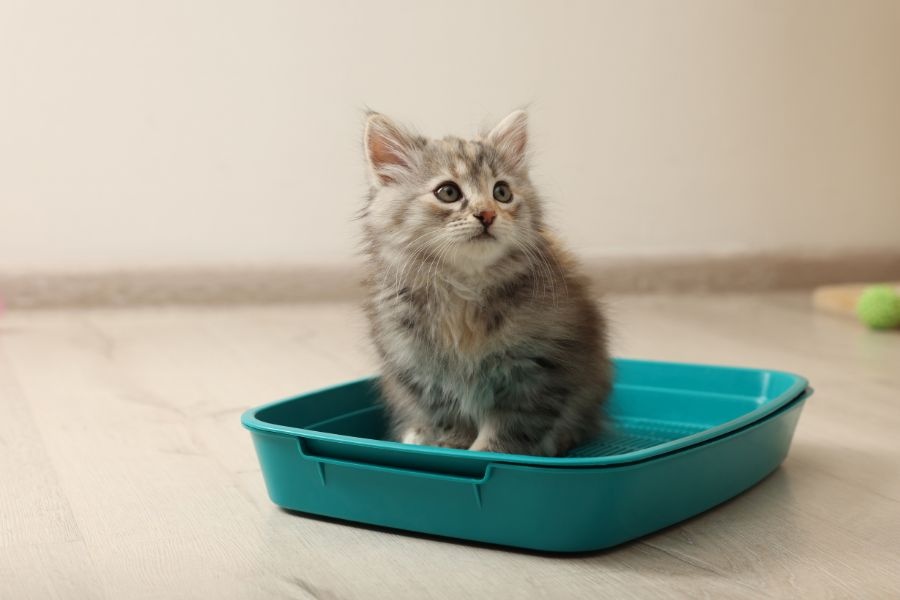
During the first few days, your kitten may hide, eat less than usual, or hesitate to explore. This does not necessarily mean the introduction is failing. Give the kitten a quiet room with food, water, a litter box, bedding, toys, and hiding places.
Over the following weeks, the kitten may become more confident and curious about the rest of the home. Continue following a gradual introduction process rather than assuming that a more active kitten is automatically ready to meet the resident pet.
Prepare a Separate Space Before Bringing Your Kitten Home
A dedicated transition room gives your kitten a safe place to adjust while allowing your resident pet to maintain its familiar routine. Choose a room with a door that closes securely and make sure the kitten has everything needed for daily comfort.
Keep food and water separate from the litter box. Provide a comfortable bed, scratching surface, age-appropriate toys, and places to hide. Check that windows, cords, and small objects do not create avoidable hazards.
Your resident pet should continue receiving its usual attention, meals, walks, and playtime. Sudden changes to its routine can add to the stress of a new arrival.
If you have a dog, practice calm behavior around closed doors and unfamiliar sounds before beginning introductions. Dogs that become overly excited by movement may need additional management to prevent chasing.
Start With Scent Swapping Instead of Direct Contact
Animals gather a great deal of information through smell. Before allowing your kitten and resident pet to see each other, help them become familiar with each other’s scent.
You can begin by exchanging soft bedding or small blankets that each animal has used. Place the items in accessible areas and allow the pets to investigate at their own pace.
Another option is to gently rub a clean cloth around one pet’s cheek area and place it near the other pet’s resting space. Avoid forcing either animal to sniff the cloth or placing it directly against its face.
Observe their reactions. Curious sniffing, brief investigation, and then moving away are generally encouraging responses. Hissing, growling, repeated avoidance, or intense fixation suggest that more time may be needed.
You can also allow each pet to explore the other’s room separately while the other animal is safely elsewhere. This helps them become familiar with shared household scents without direct interaction.
Use a Baby Gate for Controlled Visual Introductions
Once both pets seem comfortable with scent swapping, a visual introduction may be appropriate. A sturdy baby gate or secure pet barrier can allow them to see each other while maintaining physical separation.
For a kitten, make sure the barrier does not have gaps through which it can squeeze. A double barrier or additional supervision may be necessary if the resident pet is large, energetic, or strongly interested in chasing.
Keep the first visual sessions brief. Allow the animals to notice each other from a comfortable distance, then reward calm behavior with treats or gentle praise.
Watch their body language carefully. Relaxed posture, brief glances, curiosity, and the ability to look away are positive signs. Stiff body posture, flattened ears, intense staring, lunging, or repeated attempts to reach the other animal indicate that the session should end.
Do not punish hissing or growling. These behaviors communicate discomfort. Calmly create more distance and return to an earlier introduction stage if needed.
Progress to Short, Supervised Meetings
When both pets can remain relatively relaxed around the barrier, you may begin short, supervised meetings in a controlled area.
Choose a room with enough space for both animals to move away from each other. Keep the kitten’s carrier or a safe retreat nearby, and make sure your resident pet has an escape route.
For introductions involving dogs, use a leash and maintain enough distance to prevent sudden chasing. Reward the dog for looking at the kitten calmly and responding to familiar cues. Never allow a dog to corner, chase, or repeatedly approach a kitten that is trying to retreat.
For two cats, allow them to approach or move away voluntarily. Do not hold one cat in place while the other investigates.
End each session while both animals are still reasonably calm. Several short, positive meetings are generally more useful than one prolonged interaction that causes stress. Gradually increase the duration as their comfort improves.
Do not leave the kitten and resident pet together unsupervised until their interactions have been consistently safe and predictable. Some pets may need ongoing separation when nobody is home.
Why Health Screening Matters Before Face-to-Face Contact
Behavioral preparation is only one part of introducing a new kitten. Health considerations are equally important, particularly when the resident pet has an unknown medical history or an existing health condition.
Before direct contact, ask your veterinarian to review the kitten’s health records and discuss appropriate parasite and infectious disease screening. Depending on age, history, and exposure risks, this may include:
- Fecal testing: Helps identify certain intestinal parasites that may be present even when a kitten has no obvious digestive symptoms.
- Flea assessment: Helps determine whether the kitten has fleas and what age- and weight-appropriate control options are suitable.
- Feline viral screening: Testing for conditions such as feline leukemia virus and feline immunodeficiency virus may be recommended based on the kitten’s history and risk factors.
- General health examination: Allows the veterinarian to assess the kitten’s overall condition and identify concerns that may affect household introductions.
A healthy appearance does not rule out every infection or parasite. Similarly, a negative test result does not eliminate all possible health risks. Your veterinarian can explain what each test means, whether repeat testing is appropriate, and when contact with other household pets is reasonable.
Make the First Vet Visit Part of Your Introduction Plan
Arrange your kitten’s first vet visit soon after adoption, ideally before allowing close contact with resident pets. Bring adoption paperwork, previous medical records, and details about any known exposure to other animals.
During the appointment, discuss the kitten’s age, nutrition, growth, parasite prevention, infectious disease screening, and behavior. Mention the resident pet’s health history as well, especially if it is senior, immunocompromised, or receiving ongoing treatment.
This visit also gives you an opportunity to ask how long the kitten should remain separated while health screening is completed. The answer depends on the animals’ individual circumstances rather than a universal waiting period.
Help Every Pet Feel Secure During the Transition
Successful introductions require patience, consistency, and respect for each animal’s comfort level. Keep feeding stations, litter boxes, beds, scratching areas, and favorite resting spots accessible without competition. Give your resident pet one-on-one attention so it does not associate the kitten’s arrival with losing familiar privileges.
For Needham Heights and Wellesley households, a gradual plan can help a new kitten become part of the family while protecting the resident pet’s sense of security. Progress at the pace of the animals, not according to a calendar.
Schedule Your Kitten’s First Visit at Highland Animal Hospital
A new kitten’s arrival is a good opportunity to establish healthy routines and discuss safe introductions with your veterinary team. Highland Animal Hospital can help you review your kitten’s health history, discuss appropriate parasite and viral screening, and plan care based on its individual needs.
If you are preparing to introduce a kitten to a dog or adult cat, schedule a visit with Highland Animal Hospital in Needham Heights. Early veterinary guidance can help you make informed decisions and create a more comfortable transition for every member of your pet family.
Frequently Asked Questions
Q1. How long should I keep my new kitten separated from my resident pet?
Ans: Keep the kitten in a separate room until both animals have had appropriate health assessments and are showing signs of comfort with the introduction process. The timeline depends on health risks, behavior, and individual circumstances.
Q2. What is the 3-3-3 rule for kittens?
Ans: It is a general adjustment guideline describing approximately three days to decompress, three weeks to become familiar with household routines, and three months to develop a stronger sense of security. Every kitten adjusts at its own pace.
Q3. Should I let my adult cat or dog smell the kitten before meeting it?
Ans: Yes. Scent swapping is a useful first step. Exchange bedding or use a clean cloth to transfer familiar scents, allowing both pets to investigate without forcing interaction.
Q4. What health tests should a new kitten have before meeting other pets?
Ans: Your veterinarian may recommend a general examination, fecal testing, flea assessment, and feline viral screening based on the kitten’s age, history, and exposure risks. The appropriate plan varies for each kitten.
Q5. What should I do if my resident pet hisses, growls, or chases the kitten?
Ans: Calmly separate the animals and return to an earlier introduction stage. Increase distance, continue scent swapping, and use controlled visual sessions when both pets are ready. Seek veterinary or qualified behavior guidance if aggressive behavior continues.