31 Wellesley Ave.
Needham Heights, MA 02494



The Importance of Pet Wellness Exams for Your Pet’s Health
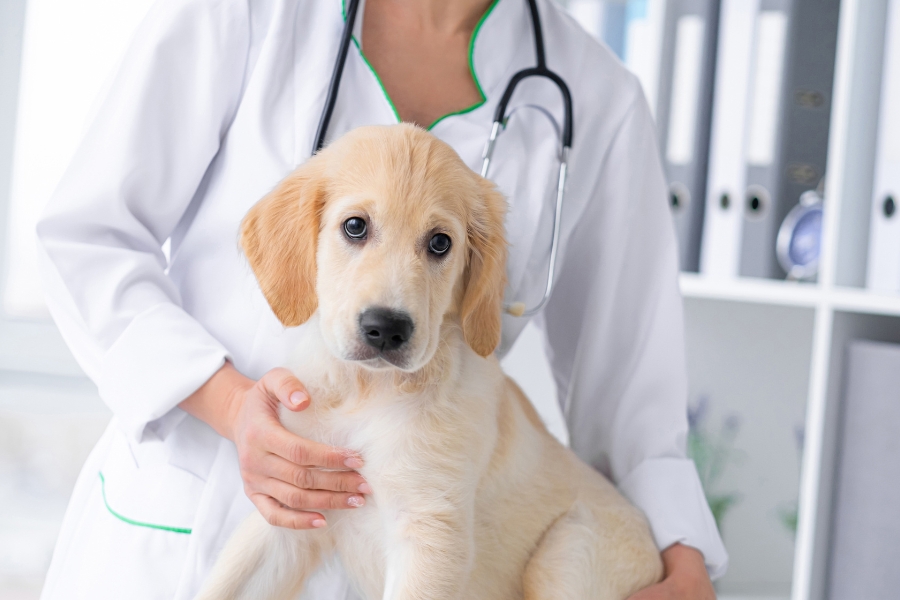
Pets bring companionship, comfort, and joy to families. Because they are an important part of the household, keeping them healthy should always be a priority. One of the most effective ways to maintain your pet’s well-being is through routine veterinary checkups. These visits allow veterinarians to monitor your pet’s health, detect potential issues early, and provide preventive care.
Many illnesses in animals develop gradually without obvious symptoms. As a result, pet owners may not notice a problem until the condition becomes serious. Regular veterinary checkups help identify these hidden issues before they progress.
Wellness visits also give pet owners the opportunity to discuss nutrition, behavior, exercise, and preventive treatments with veterinary professionals. When pets receive consistent medical attention, they are more likely to live longer, healthier lives.
This guide explains why routine checkups are essential, what happens during a wellness visit, and how these appointments support your pet’s overall health. This article is especially helpful for pet owners living in Needham, MA.
What Are Pet Wellness Exams?
A wellness exam is a routine veterinary visit designed to evaluate your pet’s overall health. Unlike visits that focus on treating illness, wellness exams emphasize prevention and early detection.
During these visits, veterinarians perform a thorough physical examination and assess multiple aspects of a pet’s health. They also review medical history, lifestyle habits, and vaccination status.
Routine pet wellness exams help veterinarians track changes in your pet’s condition over time. By comparing current findings with previous records, they can detect subtle health concerns that might otherwise go unnoticed.
These visits provide a proactive approach to maintaining your pet’s health throughout every stage of life.
Early Detection of Health Problems
One of the biggest advantages of routine veterinary checkups is early disease detection. Many conditions develop slowly and may not cause noticeable symptoms during the early stages.
For example, kidney disease, diabetes, dental disease, and arthritis can progress silently. Without regular examinations, these issues may remain undetected until they become more severe.
Veterinarians can identify early warning signs through physical exams and diagnostic testing. When health problems are detected early, treatment is often simpler and more effective.
Early detection not only improves outcomes but also reduces the risk of complications and expensive treatments later.
Preventive Care and Vaccinations
Preventive care is a major component of veterinary wellness visits. Vaccinations protect pets from contagious diseases that could threaten their health.
Dogs and cats require core vaccinations to guard against serious illnesses such as rabies and distemper. In addition, veterinarians may recommend non-core vaccines based on a pet’s lifestyle and environment.
During wellness visits, veterinarians also discuss parasite prevention. Fleas, ticks, and intestinal parasites can cause discomfort and serious health complications if left untreated.
Preventive treatments help protect pets year-round and reduce the risk of disease transmission.
Monitoring Weight and Nutrition
Maintaining a healthy weight is essential for a pet’s long-term health. Unfortunately, obesity is becoming increasingly common among dogs and cats.
Excess weight can lead to numerous health problems, including diabetes, joint issues, and heart disease.
During veterinary visits, professionals assess body condition and weight to determine whether your pet is maintaining a healthy balance.
Veterinarians may also provide nutritional guidance tailored to your pet’s age, breed, and activity level. Puppies, kittens, adults, and senior pets all have different dietary needs.
Proper nutrition supports energy levels, immune function, and overall wellness.
Dental Health Evaluations
Dental health plays an important role in a pet’s overall well-being. Unfortunately, dental disease is one of the most common conditions affecting dogs and cats.
During wellness exams, veterinarians examine the mouth for signs of plaque buildup, gum inflammation, or damaged teeth.
Without proper dental care, bacteria in the mouth can enter the bloodstream and affect vital organs such as the heart and kidneys.
Veterinarians may recommend professional cleanings or home dental care routines to protect your pet’s oral health.
Maintaining healthy teeth and gums helps prevent pain and improves quality of life.
Behavioral and Lifestyle Guidance
Pets communicate through behavior. Changes in behavior may indicate stress, discomfort, or underlying health issues.
Veterinary visits provide an opportunity to discuss behavioral concerns such as anxiety, excessive barking, scratching, or changes in appetite.
Veterinarians can recommend training strategies, environmental adjustments, or enrichment activities that improve a pet’s well-being.
In addition, they may discuss exercise routines and mental stimulation, which are essential for maintaining both physical and emotional health.
These conversations help pet owners better understand their animals and build stronger relationships with them.
Special Considerations for Senior Pets
As pets age, their health needs change. Senior animals are more likely to develop conditions such as arthritis, kidney disease, or hormonal imbalances.
Because of this, older pets often require more frequent wellness visits and diagnostic testing.
Regular monitoring allows veterinarians to detect age-related conditions early and recommend treatments that improve comfort and mobility.
For example, joint supplements, dietary adjustments, or medications may help senior pets remain active and comfortable.
Consistent care ensures that aging pets continue to enjoy a high quality of life.
Building a Long-Term Veterinary Partnership
Regular veterinary visits create a strong partnership between pet owners and veterinary professionals. When veterinarians become familiar with a pet’s medical history, they can provide more personalized care.
Long-term relationships also make it easier to identify changes in health or behavior. Veterinarians can compare current conditions with past records to detect potential concerns early.
Additionally, pet owners often feel more comfortable asking questions and seeking advice from a trusted veterinary team.
This collaboration ultimately benefits the pet by ensuring consistent and compassionate care.
How Often Should Pets Have Wellness Exams?
The recommended frequency of veterinary visits depends on a pet’s age and health condition.
Most healthy adult pets should visit the veterinarian at least once per year. Puppies and kittens may require more frequent visits during their first year for vaccinations and developmental monitoring.
Senior pets often benefit from checkups twice a year because they are more susceptible to health changes.
Regular pet wellness exams ensure that veterinarians can monitor your pet’s health and adjust care plans as needed.
Tips for Preparing for a Wellness Visit
Pet owners can take a few simple steps to make veterinary visits more productive and comfortable.
First, bring your pet’s medical records and a list of medications or supplements. This information helps veterinarians evaluate your pet’s health more accurately.
Second, observe your pet’s behavior before the appointment. Changes in appetite, activity level, or mood may provide helpful clues.
Finally, prepare a list of questions you want to discuss with the veterinarian. This ensures that you address any concerns during the visit.
Being prepared helps maximize the benefits of each appointment.
Routine veterinary checkups are one of the most important aspects of responsible pet ownership. These visits allow veterinarians to monitor your pet’s health, provide preventive treatments, and detect potential problems early.
From vaccinations and dental care to nutritional guidance and diagnostic screenings, wellness visits support every aspect of your pet’s well-being.
When pet owners prioritize regular veterinary care, they give their companions the best opportunity for a long, healthy, and happy life.
If you are in Needham, MA and need guidance related to pet wellness care, book an appointment with Highland Animal Hospital. Our veterinary team is committed to providing compassionate care and expert support to help your pet thrive.
FAQs
Q1. What is a pet wellness exam?
Ans. A pet wellness exam is a routine veterinary checkup that focuses on preventive care. During the visit, the veterinarian evaluates your pet’s overall health and checks for early signs of illness.
Q2. How often should my pet have a wellness exam?
Ans. Most pets should have a wellness exam once a year. However, puppies, kittens, and senior pets may require more frequent visits to monitor their health closely.
Q3. What does a veterinarian check during a wellness exam?
Ans. During the exam, the veterinarian checks your pet’s weight, heart, lungs, teeth, skin, eyes, and overall body condition. They may also recommend vaccinations or diagnostic tests.
Q4. Are wellness exams necessary if my pet seems healthy?
Ans. Yes. Many health problems develop slowly without noticeable symptoms. Regular exams help detect these issues early and allow for timely treatment.
Q5. Do indoor pets still need wellness exams?
Ans. Yes. Indoor pets can still develop health problems such as dental disease, obesity, or infections, so regular veterinary checkups remain important.
Q6. Can wellness exams help extend my pet’s lifespan?
Ans. Yes. Routine checkups help veterinarians detect diseases early, provide preventive treatments, and ensure your pet maintains a healthy lifestyle.

