31 Wellesley Ave.
Needham Heights, MA 02494



Veterinary Laser Therapy: How It Helps Pets Heal Faster
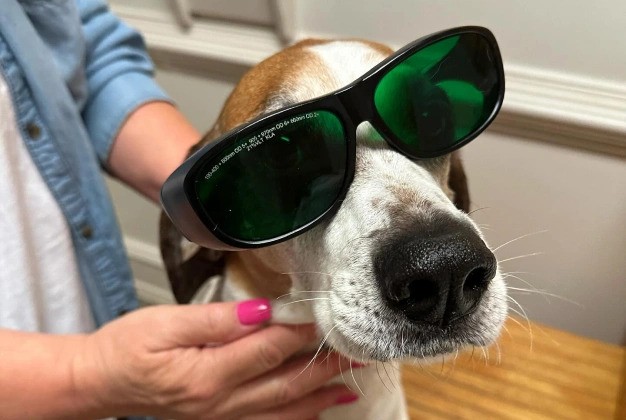
As a pet owner, watching your beloved animal suffer from an injury or recovering from surgery can be difficult. Fortunately, veterinary medicine has made significant advancements in pain management and recovery techniques. One of the most effective and non-invasive treatments available today is veterinary laser therapy. This cutting-edge therapy helps pets heal faster, reduces pain, and enhances overall recovery. In this blog, we will explore how laser therapy works, its benefits, and why it’s a great option for your pet’s recovery.
What is Veterinary Laser Therapy?
Veterinary laser therapy, also known as cold laser therapy or low-level laser therapy (LLLT), is a non-invasive treatment that uses light energy to stimulate cellular repair and promote healing in pets. It involves the application of a laser beam to a specific area of the body, delivering energy to tissues and cells at the site of injury or inflammation.
Unlike surgical lasers, which are used for cutting tissue, cold lasers work by penetrating the skin and targeting damaged tissues without causing any pain or discomfort. The light energy from the laser helps increase circulation, reduce inflammation, and promote the repair of tissues at the cellular level. It’s an effective treatment for a wide range of conditions, from chronic pain to post-surgery recovery.
How Does Laser Therapy Help Pets Heal Faster?
Veterinary laser therapy works by stimulating the cells and tissues of the affected area. When the laser light is absorbed by the cells, it triggers a biological response that promotes healing. Let’s dive into some of the key benefits of this therapy for pets:
1. Pain Relief
One of the primary reasons veterinarians recommend laser therapy for pets is its ability to reduce pain. The laser’s light energy stimulates the release of endorphins, which are the body’s natural painkillers. This helps relieve pain and discomfort associated with injuries, arthritis, post-surgery recovery, and chronic conditions like hip dysplasia. Pets often experience significant pain relief after just a few treatments, making laser therapy an excellent option for improving their quality of life.
2. Reduced Inflammation
Inflammation is a natural response to injury, infection, or surgery, but it can also delay healing and cause discomfort. Laser therapy helps reduce inflammation by promoting better blood flow to the treated area. This improved circulation helps to clear out toxins and bring in essential nutrients and oxygen that speed up the healing process. By reducing inflammation, laser therapy can prevent long-term complications and discomfort for your pet.
3. Faster Tissue Repair and Healing
Laser therapy enhances cellular metabolism, which accelerates the body’s natural healing process. By stimulating the mitochondria (the powerhouse of the cell), the therapy helps cells produce more energy, enabling them to repair damaged tissues more quickly. Whether your pet is recovering from surgery, injury, or a condition like arthritis, laser therapy can help speed up the repair of tissues, bones, and muscles, getting them back on their paws faster.
4. Improved Mobility
Pets with arthritis or joint issues often experience stiffness and limited mobility, making it difficult for them to move comfortably. Laser therapy helps promote joint health by reducing inflammation in the affected areas, improving circulation, and stimulating the production of collagen. Collagen is essential for tissue repair and joint health, and laser therapy encourages its production, leading to improved mobility and a greater range of motion.
5. Non-invasive and Safe
One of the biggest advantages of laser therapy is that it’s non-invasive. Unlike surgical treatments, it doesn’t require anesthesia or incisions, which means there’s no recovery time or risk of infection. The treatment is painless, and most pets relax during the session, making it a stress-free experience. Additionally, it’s a safe procedure that can be used alongside other treatments like medication or physical therapy, allowing for a comprehensive recovery plan.
6. No Side Effects
Unlike some medications, laser therapy doesn’t come with the risk of side effects. It’s a natural treatment that works by stimulating the body’s own healing abilities, rather than masking symptoms with drugs. This makes it an ideal option for pets that are sensitive to medications or have conditions that require long-term pain management.
Conditions Treated with Veterinary Laser Therapy
Laser therapy can be used to treat a variety of conditions in pets, including:
- Arthritis and joint pain: Helps reduce inflammation and improve mobility.
- Post-surgery recovery: Accelerates healing after surgery by promoting tissue repair.
- Soft tissue injuries: Effective for muscle strains, ligament sprains, and tendon injuries.
- Chronic pain conditions: Provides relief for pets with long-term pain due to conditions like hip dysplasia.
- Wounds and ulcers: Speeds up the healing of cuts, wounds, and ulcers.
- Infections: Helps reduce swelling and encourages the body’s immune response.
How Long Does It Take to See Results?
The number of treatments required varies depending on the condition being treated and the severity of the injury or illness. Some pets experience immediate relief after just one session, while others may require multiple treatments to see significant improvements. Typically, laser therapy sessions last between 5 to 20 minutes, depending on the area being treated.
Most pets will need multiple sessions for optimal results. Your veterinarian will work with you to develop a treatment plan based on your pet’s needs. In some cases, your pet may need weekly treatments for several weeks, followed by periodic maintenance sessions to ensure long-term benefits.
In conclusion, veterinary laser therapy is a highly effective, non-invasive treatment that offers numerous benefits for your pet’s recovery. From providing pain relief and reducing inflammation to speeding up tissue repair and improving mobility, laser therapy can help your pet heal faster and feel more comfortable. If your pet is recovering from surgery or suffering from chronic pain, laser therapy could be the solution you’ve been looking for.
For more information about pet laser therapy in Needham Heights, MA, or to schedule an appointment, contact Highland Animal Hospital today. Our team is dedicated to providing the best care for your pet, using advanced treatments like laser therapy to promote faster healing and better overall health.
FAQs
Q1. What is veterinary laser therapy?
Ans. Veterinary laser therapy is a non-invasive treatment that uses light energy to promote healing, reduce pain, and decrease inflammation in pets.
Q2. How does laser therapy work?
Ans. Laser therapy works by stimulating the cells in the affected area, increasing circulation, reducing inflammation, and speeding up tissue repair.
Q3. Is laser therapy safe for pets?
Ans. Yes, laser therapy is completely safe and non-invasive. It doesn’t involve any surgery or medications, making it a safe option for most pets.
Q4. How long does each laser therapy session take?
Ans. Sessions typically last between 5 to 20 minutes, depending on the size of the area being treated and the pet’s condition.
Q5. Are there any side effects to laser therapy?
Ans. Laser therapy is free of side effects and is considered a safe treatment option with no risk of complications or discomfort.
Q6. How many sessions does my pet need?
Ans. The number of sessions varies depending on the condition being treated. Your veterinarian will tailor the treatment plan to your pet’s specific needs.