31 Wellesley Ave.
Needham Heights, MA 02494


From Check-In to Treatment: What Happens During an Urgent Vet Visit?

When a pet experiences an unexpected injury, digestive flare-up, or sudden shift in behavior, uncertainty often creates a sense of anxiety. Walking through the doors of a clinic during a stressful moment can feel daunting if you do not know what lies ahead behind the treatment room doors. Understanding the structured progression of a clinical evaluation demystifies the entire workflow. Seeking urgent pet care ensures your companion receives immediate medical prioritization, rapid diagnostics, and a tailored treatment plan designed to stabilize their health promptly.
Arrival and Initial Reception: Setting the Clinical Baseline
The moment you enter the clinic, the evaluation process begins. Unlike routine wellness checkups that follow a relaxed, predetermined schedule, unannounced medical visits operate on a dynamic prioritization system. The front desk staff immediately conducts a visual assessment of your pet’s breathing, posture, and mental alertness while gathering basic intake details.
During check-in, the team gathers essential history:
- The exact timeline of when symptoms first appeared.
- Recent changes in appetite, water intake, or physical activity.
- Known pre-existing conditions or ongoing prescription therapies.
- Recent exposure to toxic substances, yard debris, or foreign objects.
This intake phase provides vital clues that help clinicians narrow down potential causes before the physical examination even begins.
Clinical Triage: Determining Medical Urgency
Once intake details are logged, a veterinary technician performs a preliminary physical assessment known as triage. This step ensures that pets experiencing acute distress receive immediate clinical focus ahead of less critical cases.
Triage focuses on evaluating core vital metrics:
- Respiratory Rate and Effort: Technicians listen for wheezing, shallow panting, or labored chest movements to verify oxygen intake.
- Mucous Membrane Color: The color of your pet’s gums reveals critical information regarding blood circulation and hydration levels.
- Heart Rate and Pulse Quality: Assessing cardiovascular strength confirms whether the circulatory system is functioning normally.
- Body Temperature: Elevated temperatures can point to systemic inflammation or fever, while low readings may signal circulatory shock.
If vital signs indicate systemic stress, your pet may be taken directly to the treatment area for immediate stabilization, such as oxygen support or gentle warming protocols.
The Hands-On Examination and Diagnostic Roadmap
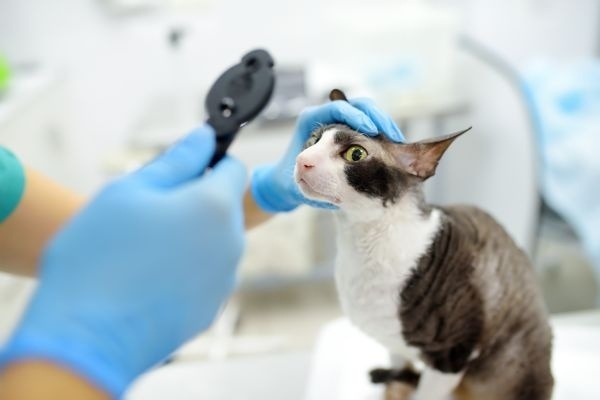
Once initial vitals are recorded, the attending veterinarian conducts a thorough, nose-to-tail physical exam. The clinician carefully palpates the abdomen to check for pain or swelling, listens closely to heart and lung sounds, examines eyes and ears, and evaluates joint flexibility.
To pinpoint internal issues, the medical team relies on point-of-care diagnostic tools. Modern urgent vet care facilities utilize on-site diagnostics to gather rapid data, including:
- In-House Bloodwork: Comprehensive blood chemistry and complete blood counts assess kidney function, liver health, blood sugar levels, and white blood cell activity within minutes.
- Digital Radiography: X-rays provide clear images of internal bone structure, joint alignment, lung tissue, and potential gastrointestinal obstructions.
- Point-of-Care Ultrasound: Quick imaging scans allow clinicians to detect fluid accumulation around organs or evaluate abdominal soft tissues in real time.
Combining physical examination findings with quick diagnostic results allows the veterinary team to formulate an accurate diagnosis without unnecessary delays.
Step-by-Step Interventions During Urgent Vet Care
With diagnostic data in hand, the veterinarian formulates a targeted therapeutic strategy tailored to your pet’s specific condition. Every medical step is sequenced to provide maximum physical relief while addressing the root physiological problem.
Treatments often involve a combination of therapeutic interventions:
- Targeted Medication Administration: Injectable anti-nausea medications, fast-acting pain relief, or anti-inflammatory drugs provide immediate comfort.
- Fluid Therapy: Intravenous or subcutaneous fluids restore hydration, balance electrolytes, and support blood pressure stability.
- Wound Management: Lacerations or scrapes are thoroughly flushed, sanitized, and bandaged under proper sedation or localized numbing to prevent infection.
- Monitoring and Observation: Pets remain under constant clinical surveillance to ensure their vital signs stabilize following treatment.
Families residing in Needham Heights benefit greatly from understanding this structured sequence, as it transforms a chaotic experience into a calm, organized path toward recovery.
Discharge, At-Home Recovery, and Follow-Up
The final stage of the visit centers on preparing you to manage your pet’s recovery at home. Before leaving the clinic, the team provides comprehensive written discharge instructions covering medication schedules, activity restrictions, and dietary adjustments.
Understanding how to monitor your pet during the initial 24 to 48 hours post-visit is essential. You will receive detailed guidance on watching for secondary symptoms, managing protective collars or dressings, and knowing when a follow-up assessment is necessary.
Trusted Local Veterinary Care in Needham Heights
If you are from Needham Heights and looking for urgent pet care, having a compassionate, highly skilled medical team ready to guide your family through unexpected health challenges offers true peace of mind. Prompt clinical attention ensures your pet receives the precise diagnostic clarity and relief they need to heal.
Schedule an Online Appointment
Please schedule an appointment online to secure an evaluation with our clinical team. Taking proactive steps at the first sign of illness helps safeguard your pet’s health and ensures a smoother recovery process.
Reach Our Clinical Team Today
Prefer to discuss your pet’s symptoms directly over the phone? Our experienced clinical staff is available to listen to your concerns, assess your pet’s current situation, and direct you on the best steps forward.
Please call our team at 781-433-0467 to discuss your companion’s needs with Highland Animal Hospital.
Frequently Asked Questions
Q1. What should I bring with me to an unscheduled veterinary visit?
Ans: Bring any current medications your pet is taking, a record of their medical history if available, and details regarding what they may have ingested or experienced prior to the onset of symptoms.
Q2. How long does a typical unscheduled medical visit take?
Ans: Visit duration varies depending on case complexity and diagnostic requirements. A basic physical evaluation and medication administration may take an hour, while comprehensive bloodwork or imaging assessments can require several hours.
Q3. Will my pet need to stay at the clinic overnight?
Ans: Most non-critical cases are discharged the same day with home recovery instructions. However, if your pet requires continuous fluid monitoring, advanced stabilization, or serial diagnostic testing, transfer to an overnight facility may be recommended.
Q4. Can I stay with my pet during diagnostic procedures like X-rays?
Ans: For safety and regulatory reasons, pet parents are usually asked to remain in the exam room or waiting area while staff perform X-rays, blood draws, or specialized treatments in dedicated treatment areas.
Q5. What signs indicate that my pet’s condition is worsening at home?
Ans: Persistent vomiting, severe lethargy, pale gums, unresponsiveness, or difficulty breathing post-discharge indicate that your pet requires immediate re-evaluation by a veterinary professional.