31 Wellesley Ave.
Needham Heights, MA 02494



Warning Signs Your Dog or Cat May Have Dental Disease
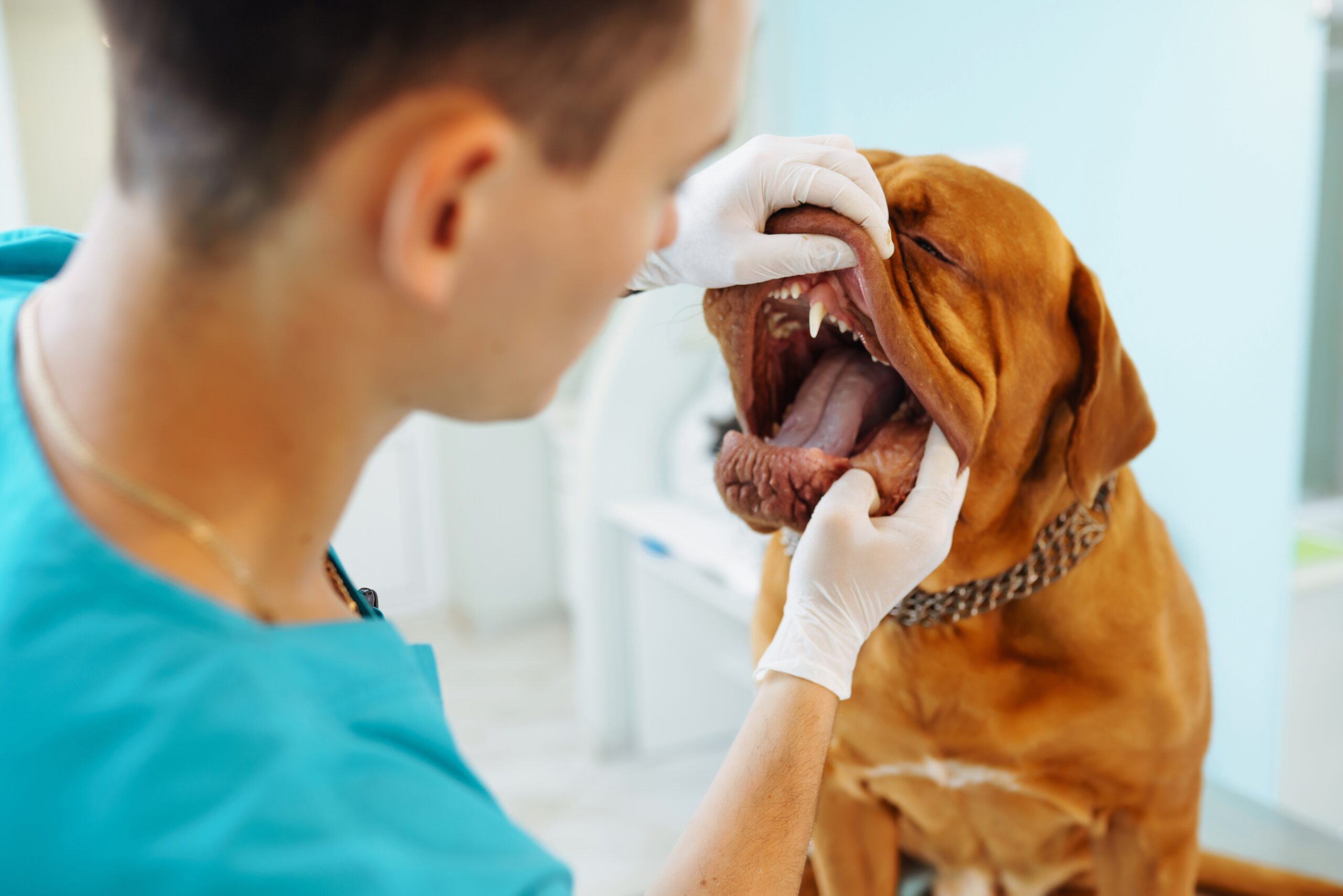
Dental disease is one of the most common health problems affecting dogs and cats, yet it often goes unnoticed until it becomes painful or severe. Many pet owners assume bad breath or changes in eating habits are normal, especially as pets get older. In reality, these symptoms may be early warning signs of dental disease that require veterinary attention.
Just like humans, pets can develop plaque buildup, gum inflammation, infected teeth, and oral pain over time. Without treatment, dental disease can progress and affect not only the mouth but also overall health. Infections in the gums and teeth may eventually impact the heart, kidneys, and other organs.
Recognizing the early signs of dental disease is one of the best ways to protect your pet’s comfort and long-term health. For pet owners in Needham, understanding what to look for can help prevent serious oral health complications before they worsen.
At Highland Animal Hospital, preventive dental care and early treatment play an important role in helping pets live healthier and more comfortable lives.
What Is Dental Disease in Pets?
Dental disease, also called periodontal disease, occurs when plaque and bacteria build up on the teeth and beneath the gums. Over time, this buildup causes inflammation, infection, and damage to the tissues supporting the teeth.
The condition typically begins with plaque accumulation. If plaque is not removed, it hardens into tartar, which irritates the gums and allows bacteria to spread deeper into the mouth.
Veterinarians often recommend preventive oral health care for pets because early treatment can help slow or prevent more serious dental problems from developing.
Without proper care, advanced dental disease can lead to tooth loss, chronic pain, and systemic health concerns.
Bad Breath Is Often the First Warning Sign
Many pet owners believe bad breath is normal for dogs and cats, but persistent foul-smelling breath is usually one of the earliest indicators of dental disease.
Bacteria buildup in the mouth creates odor as plaque and tartar accumulate along the teeth and gums. If your pet’s breath suddenly becomes noticeably worse, it should not be ignored.
Strong odor may signal:
- Gum infection
- Tooth decay
- Bacterial overgrowth
- Advanced periodontal disease
- Oral injury or infection
Scheduling a professional pet wellness evaluation can help determine whether dental disease or another medical issue is causing the odor.
Early intervention is often simpler and less invasive than waiting until symptoms become severe.
Red or Swollen Gums
Healthy gums should appear pink and relatively firm. Redness, swelling, bleeding, or tenderness along the gumline may indicate inflammation caused by gingivitis or periodontal disease.
As gum disease progresses, pets may experience increasing discomfort while eating or chewing.
Signs of gum problems include:
- Bright red gums
- Bleeding during chewing
- Swelling around teeth
- Gum recession
- Sensitivity around the mouth
Many owners seeking advanced oral care solutions for pets discover that gum inflammation is often one of the clearest early signs of dental disease.
Ignoring inflamed gums may allow infection to spread deeper into the tissues supporting the teeth.
Drooling More Than Usual
Excessive drooling can sometimes indicate oral discomfort or dental pain. While certain dog breeds naturally drool more than others, sudden increases in salivation should be evaluated.
Pets with dental disease may drool because chewing becomes painful or because infection is irritating the mouth.
In some cases, owners may notice:
- Thick saliva
- Blood-tinged drool
- Wet fur around the mouth
- Pawing at the face or mouth
Cats especially tend to hide discomfort, so increased drooling in felines should always be taken seriously.
Veterinary teams often recommend routine health monitoring for dogs and cats to identify subtle changes that may point to developing oral disease.
Difficulty Eating or Dropping Food
Pets with dental pain frequently change the way they eat. Some animals begin chewing on one side of the mouth, while others drop food, avoid hard treats, or stop eating altogether.
Common eating-related symptoms include:
- Reluctance to chew
- Slower eating habits
- Dropping kibble from the mouth
- Preferring soft foods
- Loss of appetite
- Crying while chewing
Because pets instinctively hide pain, even small changes in eating behavior can be important warning signs.
Owners looking forcompassionate veterinary treatment for aging pets often discover that untreated dental disease contributes significantly to appetite and behavioral changes in older animals.
Loose or Missing Teeth
Loose teeth are never normal in adult pets and often indicate advanced periodontal disease. Infection and inflammation weaken the structures supporting the teeth over time, eventually causing instability or tooth loss.
You may notice:
- Teeth shifting position
- Missing teeth
- Visible tartar buildup
- Bleeding around loose teeth
- Pain when touching the mouth
Advanced dental disease can become extremely painful if left untreated. Veterinary dental treatment is often necessary to remove damaged teeth and eliminate infection.
Behavioral Changes Linked to Dental Pain
Dental discomfort does not always appear as obvious mouth symptoms. Some pets show behavioral changes instead.
A pet experiencing oral pain may become:
- Less social
- Irritable
- Reluctant to play
- Sensitive around the head
- More withdrawn than usual
Because chronic dental pain develops gradually, owners sometimes overlook subtle personality changes.
Regular veterinary exams help identify hidden pain that pets may not outwardly express.
Why Dental Disease Should Never Be Ignored
Untreated dental disease affects more than just the mouth. Bacteria from infected gums may enter the bloodstream and potentially impact major organs such as the heart, liver, and kidneys.
Chronic inflammation and pain can also significantly reduce a pet’s quality of life.
Veterinary professionals often recommend preventive veterinary care plans that include routine oral health assessments to catch dental disease early before serious complications develop.
In Needham, many pet owners are becoming more aware of how closely dental health is connected to overall wellness.
What Happens During a Veterinary Dental Exam?
A veterinary dental exam involves evaluating the teeth, gums, and oral tissues for signs of disease or infection. Your veterinarian may recommend professional dental cleaning if tartar buildup or gum disease is present.
Professional cleanings are performed under anesthesia so the veterinary team can safely clean beneath the gumline where bacteria commonly accumulate.
Depending on the severity of dental disease, treatment may include:
- Dental scaling and polishing
- Tooth extractions
- Oral X-rays
- Antibiotics or pain management
- Home dental care recommendations
Early treatment can help prevent more invasive procedures later.
How to Help Prevent Dental Disease at Home
While professional veterinary care is essential, home dental care also plays an important role in preventing oral disease.
Helpful prevention strategies include:
- Regular tooth brushing
- Veterinary-approved dental chews
- Routine dental exams
- Dental diets when recommended
- Monitoring for early symptoms
Consistency matters. Even small preventive efforts can make a significant difference in long-term oral health.
FAQs About Dental Disease in Pets
1. Is bad breath always a sign of dental disease?
Persistent bad breath is often one of the earliest warning signs of dental disease and should not be ignored.
2. How often should pets have dental exams?
Most pets benefit from yearly dental evaluations, though some may require more frequent monitoring depending on age and oral health.
3. Can dental disease affect my pet’s overall health?
Yes. Untreated dental infections may contribute to heart, liver, and kidney problems over time.
4. Why does my pet drop food while eating?
Dropping food can indicate oral pain, loose teeth, gum disease, or difficulty chewing comfortably.
5. Are professional dental cleanings necessary?
Yes. Professional cleanings remove plaque and tartar below the gumline where home brushing cannot fully reach.
At Highland Animal Hospital, we believe healthy teeth and gums are essential to your pet’s overall well-being. If your dog or cat is showing signs of dental disease such as bad breath, drooling, red gums, or difficulty eating, early care can make a major difference. Book an appointment today to help protect your pet’s oral health and comfort.