31 Wellesley Ave.
Needham Heights, MA 02494



How Pet Diagnostic Care Helps Veterinarians Create More Accurate Treatment Plans
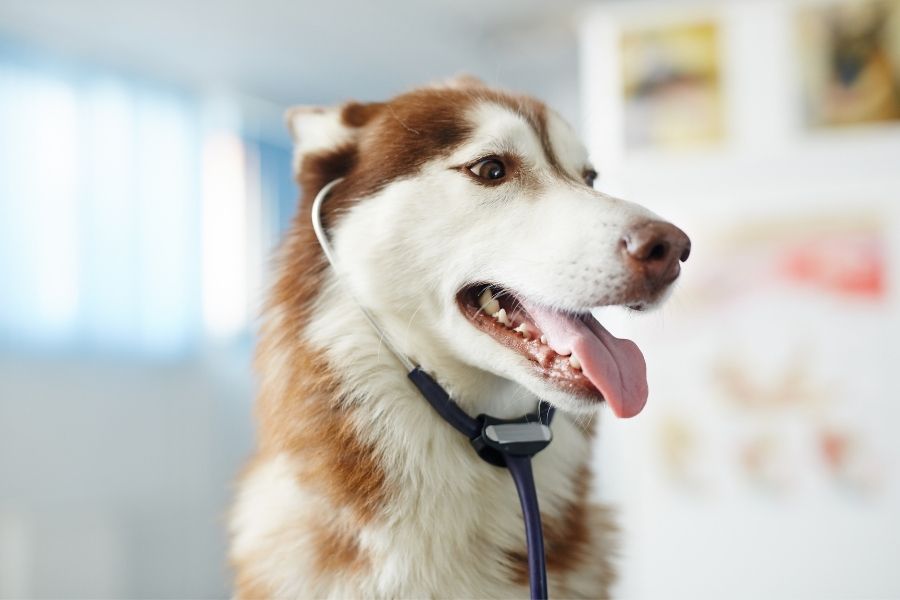
When a pet shows signs of illness or behavioral changes, determining the exact cause is not always straightforward. Many conditions share similar symptoms, making it difficult to identify the underlying issue through observation alone. This is where pet diagnostic care becomes an essential part of veterinary medicine.
Modern diagnostic tools allow veterinarians to gather detailed information about a pet’s health, helping them make informed decisions and develop more precise treatment plans. By identifying problems early and accurately, diagnostic care can improve outcomes, reduce uncertainty, and support a pet’s long-term well-being.
What Is Pet Diagnostic Care?
Pet Diagnostic Care refers to the use of medical tests, imaging technology, and laboratory evaluations to assess a pet’s health and identify medical conditions.
Diagnostic services may include:
- Blood testing
- Urinalysis
- Fecal examinations
- Digital X-rays
- Ultrasound imaging
- Cytology evaluations
- Tissue sampling
- Specialized laboratory screenings
These tools help veterinarians move beyond symptoms and gain a deeper understanding of what is happening inside the body.
Why Accurate Diagnoses Matter
Effective treatment starts with an accurate diagnosis. While symptoms may indicate that a pet is unwell, they do not always reveal the root cause.
For example:
- Lethargy can result from numerous conditions.
- Weight loss may have several possible explanations.
- Digestive issues can stem from different underlying causes.
Without proper diagnostics, treatment may focus only on symptoms rather than addressing the actual problem.
Accurate diagnoses help veterinarians:
- Identify diseases earlier
- Avoid unnecessary treatments
- Monitor disease progression
- Create personalized treatment plans
- Improve overall patient outcomes
The Role of Diagnostic Testing in Veterinary Care
Veterinarians use diagnostic testing to gather objective information about a pet’s condition.
Blood Testing
Bloodwork is one of the most commonly used diagnostic tools in veterinary medicine.
It can provide valuable insight into:
- Organ function
- Blood cell counts
- Metabolic health
- Infection indicators
- Inflammatory processes
Many illnesses can be detected through routine blood testing before outward symptoms become severe.
Urinalysis
Urine testing helps evaluate kidney function, hydration status, and urinary tract health.
It can assist in identifying:
- Urinary tract abnormalities
- Kidney-related concerns
- Metabolic disorders
- Certain infections
When combined with bloodwork, urinalysis often provides a more complete picture of overall health.
How Imaging Improves Diagnostic Accuracy
Diagnostic imaging allows veterinarians to visualize internal structures without invasive procedures.
Digital X-Rays
X-rays help evaluate:
- Bones and joints
- Chest structures
- Abdominal organs
- Certain injuries
- Structural abnormalities
This technology provides important information that cannot be obtained through physical examinations alone.
Ultrasound Examinations
Ultrasound imaging offers real-time views of soft tissues and internal organs.
It is often useful for assessing:
- Liver health
- Kidney conditions
- Digestive system concerns
- Reproductive organs
- Fluid accumulation
Because ultrasound provides detailed images of internal structures, it can play an important role in complex diagnostic cases.
Creating Personalized Treatment Plans
Every pet is unique. Factors such as age, breed, medical history, and lifestyle can influence both diagnosis and treatment recommendations.
Diagnostic results allow veterinarians to create individualized plans that may include:
- Medication management
- Nutritional adjustments
- Lifestyle recommendations
- Surgical intervention when appropriate
- Long-term monitoring strategies
Rather than relying on generalized approaches, veterinarians can tailor care based on a pet’s specific needs.
Detecting Health Problems Earlier
One of the greatest benefits of Pet Diagnostic Care is its ability to detect issues before they become more serious.
Many medical conditions develop gradually and may not produce noticeable symptoms during their early stages.
Early detection can help:
- Prevent disease progression
- Improve treatment effectiveness
- Support better quality of life
- Reduce long-term health complications
Routine diagnostic evaluations often reveal abnormalities that might otherwise go unnoticed.
Monitoring Chronic Conditions
Pets living with ongoing medical conditions often require regular monitoring.
Examples include:
- Kidney disease
- Liver disorders
- Endocrine conditions
- Heart disease
- Digestive disorders
Diagnostic testing helps veterinarians track changes over time and determine whether treatment adjustments are necessary.
This proactive approach helps maintain stability and supports long-term management.
Supporting Better Decision-Making
Veterinary medicine relies on evidence-based decision-making. Diagnostic information provides objective data that helps guide treatment recommendations.
Rather than making assumptions based solely on symptoms, veterinarians can:
- Confirm diagnoses
- Rule out potential conditions
- Evaluate treatment effectiveness
- Monitor recovery progress
This level of precision helps improve confidence in treatment decisions and supports better outcomes for pets.
The Importance of Ongoing Veterinary Evaluations
Diagnostic testing is most effective when combined with regular wellness care.
Routine evaluations allow veterinarians to:
- Establish baseline health measurements
- Track changes over time
- Identify subtle concerns early
- Recommend appropriate follow-up testing
Preventive care and diagnostic services work together to support a pet’s overall health throughout every stage of life.
How Pet Owners Benefit From Diagnostic Insights
Diagnostic testing not only helps veterinarians—it also helps pet owners better understand their pet’s condition.
Clear diagnostic results can:
- Provide answers to health concerns
- Reduce uncertainty
- Guide treatment decisions
- Improve communication with veterinary teams
- Support informed care choices
Having a clearer picture of a pet’s health often leads to greater peace of mind and confidence in the care process.
Why Diagnostic Care Is Essential for Long-Term Health
Veterinary medicine continues to evolve, offering increasingly advanced tools for evaluating and managing health conditions. Through accurate testing and detailed assessments, veterinarians can identify problems earlier, develop targeted treatment plans, and monitor progress more effectively.
If you are from Needham Heights and looking for guidance regarding pet diagnostic care, partnering with a trusted veterinary team can help ensure your pet receives the comprehensive evaluations needed for lifelong health and wellness.
Schedule an Online Appointment Today
Give your pet the advantage of proactive health monitoring and accurate diagnostic evaluations. Schedule an online appointment with Highland Animal Hospital today to discuss your pet’s health concerns and explore the diagnostic services available to support their well-being.
Frequently Asked Questions
Q1. What is pet diagnostic care used for?
Pet diagnostic care helps veterinarians evaluate a pet’s health through laboratory testing, imaging, and other assessments. These tools assist in identifying illnesses, monitoring chronic conditions, and creating personalized treatment plans based on accurate medical information.
Q2. When should my pet receive diagnostic testing?
Diagnostic testing may be recommended during routine wellness visits, when symptoms develop, or when monitoring ongoing medical conditions. The specific tests recommended will depend on your pet’s age, health history, and current concerns.
Q3. Are diagnostic tests safe for pets?
Most veterinary diagnostic procedures are considered safe and minimally invasive. Common tests such as bloodwork, urinalysis, and imaging studies are routinely performed to gather valuable health information while prioritizing patient comfort.
Q4. Can diagnostic testing detect problems before symptoms appear?
Yes. Many conditions can be identified through diagnostic testing before noticeable symptoms develop. Early detection often allows veterinarians to begin treatment sooner and potentially improve long-term outcomes.
Q5. How do diagnostic results affect treatment plans?
Diagnostic findings provide detailed information about a pet’s condition, helping veterinarians choose the most appropriate treatments. Accurate results allow for more targeted care and reduce the likelihood of unnecessary or ineffective interventions.