31 Wellesley Ave.
Needham Heights, MA 02494



How Urgent Care Helps Pets Receive Prompt Medical Attention
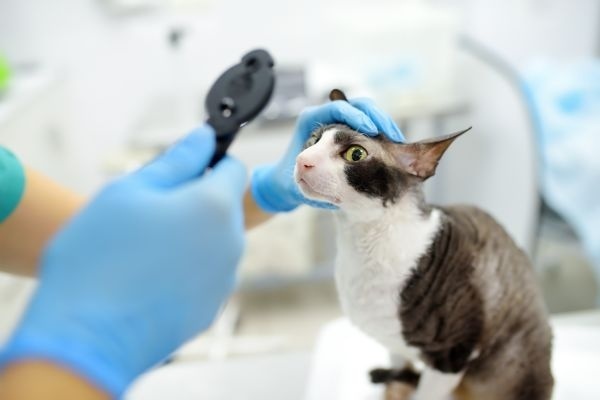
Pets bring joy, companionship, and unconditional love into our lives. As responsible pet owners, we do everything possible to keep them healthy and comfortable. However, illnesses and injuries can happen unexpectedly, and when they do, timely veterinary attention becomes critical. This is where urgent care services play an important role in supporting a pet’s health and recovery.
For pet owners in Needham, understanding how prompt veterinary care works and recognizing when to seek professional help can make a significant difference in a pet’s overall outcome.
Why Timing Matters in Veterinary Medicine
Many health conditions become easier to manage when they are addressed early. Delaying treatment can sometimes allow symptoms to worsen, resulting in more discomfort for pets and potentially more complex treatment plans.
Veterinary professionals often see pets with conditions that could have benefited from earlier intervention. Whether it’s a sudden illness, an injury, or unexplained behavioral changes, prompt medical evaluation helps identify problems before they progress.
Some examples include:
- Digestive issues
- Respiratory concerns
- Minor wounds
- Allergic reactions
- Mobility problems
- Eye injuries
- Sudden lethargy
Addressing these concerns quickly helps veterinarians determine the cause and recommend appropriate treatment.
Understanding the Purpose of Urgent Care
Unlike routine wellness visits, urgent care focuses on health concerns that require timely evaluation but may not necessarily be life-threatening.
Common Reasons Pets Need Prompt Attention
Veterinarians frequently evaluate pets experiencing:
- Persistent vomiting
- Ongoing diarrhea
- Limping or difficulty walking
- Ear discomfort
- Skin irritations
- Minor trauma
- Changes in appetite
- Unusual behavior
Early assessment often leads to quicker diagnosis and improved comfort for the pet.
Signs Pet Owners Should Not Ignore
Animals are naturally skilled at hiding discomfort. As a result, pet owners often need to pay close attention to subtle physical or behavioral changes.
Reduced Energy Levels
A pet that suddenly becomes less active, sleeps excessively, or loses interest in favorite activities may be experiencing an underlying health issue.
Changes in Eating or Drinking Habits
A noticeable decrease in appetite or increased water consumption can sometimes indicate illness and should be evaluated if it persists.
Unusual Vocalization
Whining, excessive meowing, or vocalizing when touched can signal pain or discomfort that requires veterinary attention.
For many families in Needham, recognizing these warning signs early can help prevent minor concerns from becoming more serious health problems.
The Role of Priority Care in Veterinary Services
Some situations require a faster response than a standard appointment schedule can provide. This is where priority care services become valuable.
Priority care allows veterinary teams to evaluate pets experiencing concerning symptoms before those symptoms worsen.
Examples may include:
- Sudden swelling
- Persistent coughing
- Difficulty urinating
- Eye irritation
- Moderate wounds
- Acute discomfort
By addressing these issues promptly, veterinarians can often begin treatment sooner and help improve recovery outcomes.
Diagnostic Tools Help Veterinarians Act Quickly
When pets arrive for evaluation, veterinarians rely on a combination of physical examinations and diagnostic testing to identify the cause of symptoms.
Common Diagnostic Approaches
Depending on the situation, a veterinarian may recommend:
- Blood testing
- Urinalysis
- Digital radiography
- Ultrasound imaging
- Fecal analysis
- Comprehensive physical examinations
These tools provide valuable information that helps guide treatment decisions and improve patient care.
How Prompt Medical Attention Benefits Pets
Seeking urgent care early often offers several important advantages.
Faster Relief From Discomfort
Prompt evaluation allows veterinarians to identify the source of discomfort and implement appropriate treatment strategies sooner.
Reduced Risk of Complications
Many illnesses become more difficult to manage when symptoms are ignored. Early intervention helps minimize the risk of additional health complications.
Better Long-Term Outcomes
When treatment begins earlier, pets often experience smoother recoveries and may avoid more extensive medical procedures.
Situations That Often Require Immediate Veterinary Assessment
While every situation is unique, certain symptoms should never be overlooked.
Breathing Changes
Pets experiencing rapid breathing, wheezing, or noticeable respiratory difficulty should receive prompt veterinary evaluation.
Significant Mobility Issues
A pet that suddenly refuses to walk, struggles to stand, or exhibits severe limping may have an injury requiring immediate attention.
Repeated Digestive Distress
Ongoing vomiting or diarrhea can quickly lead to dehydration and should be assessed by a veterinarian.
For pet owners knowing when to seek professional care can help protect their pet’s health and comfort.
Preventive Care and Observation Work Together
While urgent care services are valuable, preventive healthcare remains equally important.
Pet owners can help reduce health risks by:
- Scheduling regular wellness visits
- Monitoring behavioral changes
- Providing balanced nutrition
- Maintaining healthy exercise routines
- Keeping toxic substances out of reach
- Following veterinarian recommendations
Combining preventive care with prompt action when symptoms appear creates a strong foundation for lifelong health.
Unexpected health concerns can happen at any stage of a pet’s life. Understanding the importance of timely veterinary attention allows pet owners to respond confidently when problems arise.
Taking action early is one of the most important steps pet owners can take to protect their companion’s health and well-being.
About Our Veterinary Team
At Highland Animal Hospital, we are committed to providing compassionate veterinary care and helping pets receive prompt medical attention when health concerns arise. Our experienced team works closely with pet owners to deliver personalized treatment and ongoing support for every patient.
Schedule an Online Appointment
If your pet is showing signs of illness, injury, or unusual behavior, schedule an online appointment today and let our veterinary team provide the care your companion deserves.
Book your appointment online and take the next step toward protecting your pet’s health.
Call Our Team
Have questions about your pet’s condition or need guidance regarding whether veterinary attention is needed? Call our team at (781) 433-0467. Our knowledgeable team is here to help you make informed decisions about your pet’s care.
FAQs
Q1. How do I know whether my pet needs urgent veterinary attention or a routine appointment?
Some symptoms, such as persistent vomiting, breathing difficulties, sudden lethargy, or noticeable pain, often require prompt evaluation. If your pet’s condition appears to be worsening or causing significant discomfort, contacting your veterinarian for guidance is recommended.
Q2. Can waiting a few days worsen my pet’s condition?
In some cases, yes. Certain illnesses and injuries can progress quickly if left untreated. Early evaluation helps veterinarians identify problems sooner and begin treatment before additional complications develop.
Q3. What information should I provide when calling about my pet’s symptoms?
Be prepared to describe the symptoms, when they started, any recent changes in behavior, medications your pet takes, and any potential exposures to harmful substances. This information helps the veterinary team assess the situation more accurately.
Q4. Does priority care help reduce recovery time for pets?
Prompt evaluation often allows treatment to begin earlier, which may improve recovery outcomes and reduce discomfort. While every case is unique, early intervention generally supports better overall health management.
Q5. What should I monitor after my pet receives treatment?
Follow your veterinarian’s instructions carefully and watch for changes in appetite, activity level, mobility, or behavior. Monitoring recovery closely helps ensure your pet is responding well to treatment and allows you to identify any concerns quickly.