31 Wellesley Ave.
Needham Heights, MA 02494



How Veterinarians Diagnose Kidney Disease in Pets

Kidneys play an essential role in keeping dogs and cats healthy. These small but powerful organs filter waste from the bloodstream, balance fluids and electrolytes, support healthy blood pressure, and help regulate several important body functions. When kidney function begins to decline, the changes can develop gradually and may be difficult for pet parents to notice at first.
That is why understanding pet kidney disease and recognizing the value of routine veterinary examinations can make a meaningful difference. A veterinarian can combine a physical examination, laboratory testing, and imaging to identify kidney problems, determine how advanced they may be, and create an appropriate care plan. At Highland Animal Hospital, pet diagnostic care can help provide valuable information when changes in kidney health are suspected.
Why Kidney Disease Can Be Difficult to Notice
One of the challenges with kidney disease is that pets may compensate for reduced kidney function for quite some time. Early changes can be subtle, especially in older dogs and cats. A pet may continue eating, playing, and interacting normally while kidney function is gradually changing.
As the condition progresses, signs can become easier to recognize. Increased thirst and urination are common observations. Some pets may lose weight, have a reduced appetite, vomit, seem tired, or develop a duller coat. Bad breath can also occur in pets with significant kidney dysfunction.
These signs can overlap with many other health conditions, so they do not automatically indicate kidney disease. Proper veterinary evaluation is important because laboratory testing can reveal changes that are not obvious from behavior alone.
What Happens During the Initial Examination
Diagnosis generally begins with a detailed physical examination. The veterinarian may ask about your pet’s appetite, water consumption, urination habits, energy level, weight changes, medications, diet, and any unusual behaviors.
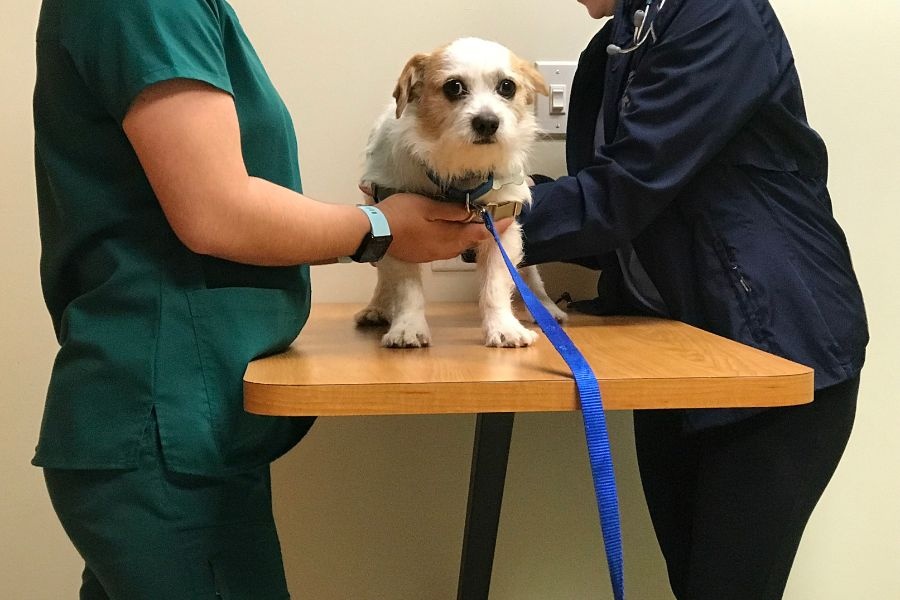
During the examination, the veterinary team may assess hydration, body condition, gum color, blood pressure when appropriate, and other physical indicators. The abdomen may also be carefully examined for changes involving the kidneys or other organs.
Your pet’s age, breed, medical history, and previous laboratory results can provide additional context. Comparing current findings with older records can help the veterinarian identify gradual changes rather than relying on one test result alone.
Blood Testing for Kidney Function
Blood testing is an important part of pet diagnostic care when kidney disease is suspected. A chemistry panel can measure substances associated with kidney function and provide information about hydration and other organ systems.
Common measurements include blood urea nitrogen and creatinine. When kidney filtration decreases, these waste products can accumulate in the bloodstream. Another measurement called SDMA may also be useful because it can help identify reduced kidney filtration earlier in some pets.
Blood testing does more than evaluate the kidneys. It can also reveal changes in electrolytes, proteins, blood glucose, liver values, and other indicators that may influence diagnosis and treatment.
A single abnormal result does not always tell the entire story. Dehydration, diet, medications, and other medical conditions can influence laboratory values. Veterinarians therefore interpret bloodwork alongside the physical examination and additional testing.
The Importance of Urine Testing
Urine testing provides information that bloodwork alone cannot provide. A urinalysis can show how well the kidneys concentrate urine and may identify substances such as protein, blood, glucose, crystals, or inflammatory cells.
Urine specific gravity is particularly useful when evaluating kidney function. Healthy kidneys can concentrate urine according to the body’s needs. A pet that consistently produces dilute urine may require further investigation, particularly when other findings also point toward reduced kidney function.
A veterinarian may also recommend a urine protein to creatinine ratio when protein loss through the kidneys is suspected. In certain situations, urine culture may be recommended to check for bacterial infection.
Blood Pressure Monitoring
Kidney disease and high blood pressure can be closely connected. Kidney problems can contribute to elevated blood pressure, while persistent high blood pressure can place additional strain on the kidneys and other organs.
For this reason, blood pressure measurement may become part of a kidney health evaluation. The process is generally straightforward and can be performed with specialized equipment designed for veterinary patients.
Monitoring blood pressure can help veterinarians identify another health concern that may need to be addressed as part of a broader treatment plan.
How Imaging Helps Veterinarians
Laboratory testing provides information about kidney function, while diagnostic imaging can provide a closer look at kidney structure.
Ultrasound can help veterinarians evaluate kidney size, shape, internal structure, and surrounding tissues. It may reveal changes such as cysts, stones, abnormal tissue, or other structural concerns.
Radiographs can also provide useful information, particularly when evaluating kidney size, mineralization, stones, or other abdominal abnormalities. The veterinarian determines which imaging method is appropriate based on the pet’s symptoms and laboratory findings.
Imaging does not replace blood and urine testing. Instead, these diagnostic tools work together to create a clearer picture of what may be happening inside the body.
Determining the Cause of Kidney Problems
Kidney disease is not always caused by one specific problem. Chronic kidney changes can occur with aging, congenital conditions, certain infections, toxins, urinary obstruction, kidney stones, or other underlying disorders.
A veterinarian may therefore look beyond the basic question of whether kidney function is abnormal. The goal is also to understand why the changes are occurring and whether another medical condition is contributing to them.
Your pet’s history can be particularly valuable here. Tell the veterinary team about changes in drinking, urination, appetite, weight, medications, supplements, and exposure to anything unusual. Even seemingly minor details may help guide the diagnostic process.
Understanding Chronic Kidney Disease
If testing indicates chronic kidney disease, additional evaluation may be needed to determine its severity. Veterinarians may consider bloodwork, urine concentration, protein loss, blood pressure, imaging findings, clinical signs, and trends over time.
Kidney disease can progress differently from one pet to another. Some pets experience gradual changes over a long period, while others may develop more noticeable problems in a shorter timeframe.
Because of this variation, ongoing monitoring is often important. Repeat bloodwork and urine testing can help the veterinary team determine whether kidney function is stable or changing and whether the care plan needs adjustment.
Why Early Detection Matters
Early detection can provide valuable opportunities to support your pet’s quality of life. A pet that appears healthy may still have laboratory abnormalities that deserve attention.
Routine wellness examinations are especially useful for senior dogs and cats because age related changes can affect several organ systems. Establishing baseline laboratory results can also make it easier to recognize meaningful changes later.
Pet parents can help by paying attention to drinking habits, litter box or bathroom patterns, appetite, body weight, energy, and general behavior. Sharing these observations with your veterinarian gives the medical team more information to work with.
Supporting Kidney Health Through Ongoing Veterinary Care
There is no single approach that applies to every pet with kidney disease. Care depends on the underlying cause, severity, laboratory findings, symptoms, age, and overall health.
Your veterinarian may recommend dietary adjustments, hydration support, medications, monitoring, or additional diagnostic testing when appropriate. Following the recommended schedule for rechecks is important because kidney function can change over time.
Pet parents should also avoid giving human medications or supplements without veterinary guidance. Some substances that are tolerated by people can be harmful to dogs and cats, particularly when kidney function is already compromised.
Schedule Pet Diagnostic Care at Highland Animal Hospital
If you have noticed increased thirst, changes in urination, weight loss, reduced appetite, or other unusual changes in your pet, consider scheduling an appointment with Highland Animal Hospital. A veterinary examination and appropriate diagnostic testing can help identify potential health concerns and provide a clearer understanding of your pet’s condition.
Contact the hospital or use its online appointment options to arrange a visit. Early evaluation can give your veterinary team more information to work with and help you make informed decisions about your pet’s ongoing care.
FAQ
Q1. What are the early signs of kidney disease in dogs and cats?
Ans: Early signs may include increased thirst, increased urination, subtle weight loss, changes in appetite, or reduced energy. Some pets show very few outward signs, which is why routine examinations and laboratory testing are valuable.
Q2. Can a blood test detect kidney disease in pets?
Ans: Blood testing can identify changes associated with reduced kidney filtration and can provide information about kidney function and other body systems. Veterinarians usually interpret blood results alongside urine testing, physical findings, and medical history.
Q3. Why does my pet need a urine test if bloodwork is already being performed?
Ans: Urine testing provides information about urine concentration, protein loss, blood, crystals, inflammation, and other findings that bloodwork cannot show. Together, blood and urine testing provide a more complete assessment.
Q4. Can kidney disease be diagnosed with an ultrasound?
Ans: Ultrasound can identify structural changes involving the kidneys, such as abnormal tissue, cysts, stones, or changes in kidney appearance. It is often used alongside blood and urine testing rather than as a standalone diagnostic method.
Q5. How often should a pet with kidney disease be rechecked?
Ans: The recommended monitoring schedule depends on the pet’s diagnosis, clinical signs, laboratory findings, and overall health. Your veterinarian can determine an appropriate recheck interval and adjust it as your pet’s condition changes.