31 Wellesley Ave.
Needham Heights, MA 02494



Caring for Your Senior Cat: Essential Tips for a Long, Healthy Life
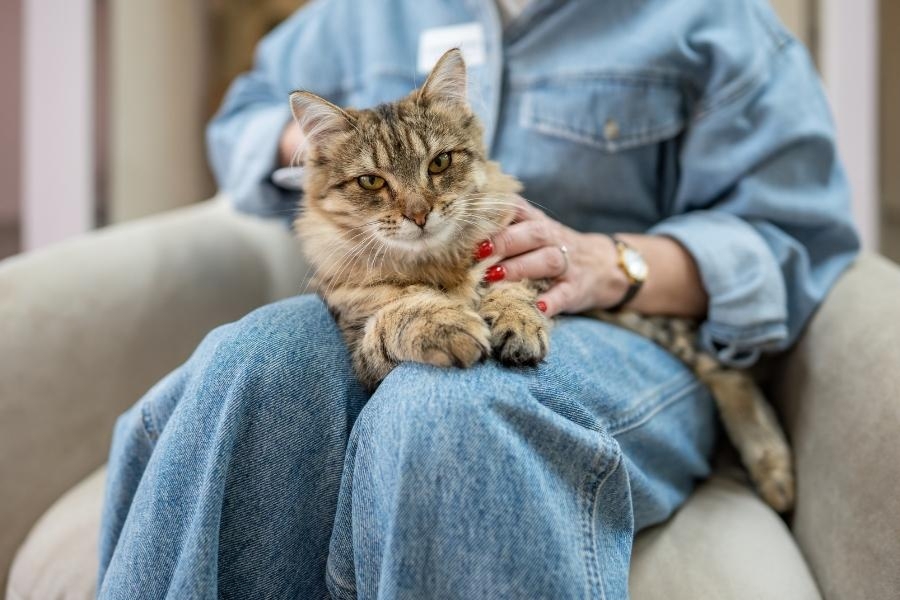
As cats age, their needs evolve, and ensuring that they remain happy and healthy in their senior years requires special care. Senior cats often face different health challenges than their younger counterparts, but with the right approach, they can enjoy a fulfilling and active life well into their golden years. From regular veterinary check-ups to tailored diets, there are numerous steps you can take to support your senior cat’s well-being. In this blog, we’ll explore some essential tips for keeping your senior cat healthy and happy. If you’re in Needham Heights, MA, this guide will provide you with practical advice for your senior cat’s specific needs.
1. Regular Vet Visits Are Crucial
As your cat ages, regular veterinary check-ups become more important than ever. Senior cats are prone to health issues such as kidney disease, arthritis, dental problems, and thyroid imbalances, which can develop slowly over time.
- Annual check-ups: Even if your cat seems healthy, annual check-ups are vital to catch any early signs of health problems.
- Blood tests and screenings: Your vet will likely recommend blood tests and screenings for conditions like kidney disease or diabetes. Early detection allows for more effective treatment and better management of chronic conditions.
By staying on top of your cat’s health with regular vet visits, you can ensure that they get the care they need as they age.
2. Adapt Their Diet for Aging Needs
Diet plays a crucial role in maintaining the health of your senior cat. As cats get older, their nutritional needs change, and you may need to adjust their food to suit their age.
- Senior-specific food: Senior cat food formulas are designed to support aging joints, maintain muscle mass, and provide lower levels of phosphorus to help with kidney function.
- High-quality protein: Older cats require high-quality protein to maintain muscle mass. Look for food that lists real meat as the first ingredient.
- Weight management: Senior cats are often less active, so it’s important to manage their weight to prevent obesity. Overweight cats are more prone to arthritis and diabetes.
- Hydration: Dehydration is common in older cats, so consider adding wet food to their diet to boost water intake. You can also provide a cat water fountain to encourage drinking.
Feeding your senior cat the right diet will help them maintain a healthy weight and energy levels, which are essential for a happy, active life.
3. Monitor Their Weight and Body Condition
It’s common for senior cats to either lose weight due to illness or gain weight due to reduced activity. Monitoring your cat’s weight and body condition is essential for catching any potential health issues early.
- Weigh your cat regularly: Keep track of your cat’s weight, and report any significant changes to your veterinarian. Sudden weight loss or gain can indicate an underlying issue, such as hyperthyroidism or kidney disease.
- Body condition score: Regularly assess your cat’s body condition. Your vet can show you how to do this, and it involves checking their rib cage and overall body shape. Maintaining a healthy body condition helps ensure your cat’s overall well-being.
By keeping an eye on their weight and body condition, you can make adjustments to their diet or lifestyle as needed.
4. Provide a Comfortable and Safe Environment
As cats get older, they often experience a decline in mobility, and making their environment more comfortable and accessible is key to their well-being.
- Soft bedding: Provide soft, supportive bedding for your senior cat. Cats with arthritis or joint pain benefit from memory foam beds that offer extra cushioning.
- Access to food and water: Ensure that your cat’s food and water bowls are easily accessible. Consider using raised bowls to prevent neck strain and make it easier for them to eat and drink.
- Litter box access: Place a litter box in an easy-to-reach area. If your cat has trouble jumping, consider using a low-sided box or a ramp to make access easier.
Creating a safe and comfortable space will help your senior cat navigate their surroundings more easily and enjoy a relaxed life.
5. Engage in Gentle Play and Mental Stimulation
Just because your cat is older doesn’t mean they don’t enjoy playtime or mental stimulation. Keeping your senior cat mentally engaged can help prevent cognitive decline and provide physical exercise.
- Interactive toys: Use soft, interactive toys to encourage gentle play. Wand toys, laser pointers, or puzzle feeders can engage their senses and keep them entertained.
- Short play sessions: Senior cats may tire more quickly, so it’s important to keep play sessions short and sweet. Focus on activities that they enjoy without overexerting themselves.
- Training and learning: Keep their brain sharp by teaching new tricks or providing food puzzles that encourage problem-solving.
Mental stimulation and light physical activity can help keep your senior cat agile and mentally alert, contributing to their overall happiness.
6. Watch for Behavioral Changes
Changes in behavior are common as cats age, and some can be signs of health issues. It’s important to monitor your cat’s behavior and report any concerning changes to your veterinarian.
- Litter box problems: If your cat suddenly starts urinating outside the litter box or seems to have trouble using it, it could be a sign of a urinary tract infection, arthritis, or cognitive dysfunction.
- Changes in eating or drinking habits: A loss of appetite or excessive thirst can indicate issues like kidney disease or diabetes.
- Increased vocalization: Senior cats, especially those with cognitive dysfunction, may become more vocal. If the vocalizations seem out of character, consult your vet.
Behavioral changes can be subtle, but noticing them early can lead to better treatment options.
7. Maintain Their Dental Health
Dental problems are common in older cats, and poor oral health can lead to pain, tooth loss, and other health issues. Regular dental care is essential to your cat’s overall health.
- Regular brushing: Brush your cat’s teeth with a cat-friendly toothbrush and toothpaste. Start slowly, and be patient as they get used to the process.
- Dental treats and toys: Specially formulated dental treats or toys can help reduce plaque buildup and promote oral health.
- Veterinary check-ups: Regular dental check-ups are crucial. Your vet can perform professional cleanings to prevent more serious dental issues.
Taking care of your senior cat’s dental health will not only help them avoid pain but will also improve their overall health and well-being.
Caring for a senior cat requires attention to detail, regular veterinary care, and a focus on their comfort and happiness. By adjusting their diet, providing regular check-ups, and creating a safe and stimulating environment, you can ensure that your senior cat enjoys their golden years to the fullest. If you’re in Needham Heights, MA, and need guidance related to senior cat care, book an appointment with Highland Animal Hospital. Our veterinary team is dedicated to keeping your senior cat healthy, happy, and comfortable as they age.
FAQs
Q1. How can I tell if my senior cat is in pain?
Signs of pain in senior cats include decreased activity, hiding, changes in grooming habits, and difficulty jumping. Consult your vet if you notice these signs.
Q2. How often should I take my senior cat to the vet?
Senior cats should visit the vet at least once a year for check-ups, but older cats with health issues may need more frequent visits.
Q3. What are the best foods for senior cats?
Look for senior cat food formulas with higher protein, lower phosphorus, and added omega-3 fatty acids to support joint, coat, and kidney health.
Q4. How can I help my senior cat with arthritis?
Provide soft bedding, avoid slippery floors, and consider joint supplements or medication prescribed by your vet to manage arthritis pain.
Q5. Is it normal for my senior cat to sleep more?
Yes, older cats tend to sleep more, but if the increase in sleep is accompanied by other health issues, it’s worth discussing with your vet.
Q6. How can I improve my senior cat’s mental health?
Provide mental stimulation through interactive toys, puzzle feeders, and regular, low-stress playtime to keep their minds sharp and engaged.