31 Wellesley Ave.
Needham Heights, MA 02494



Cat Surgery Myths Every Pet Owner Should Stop Believing
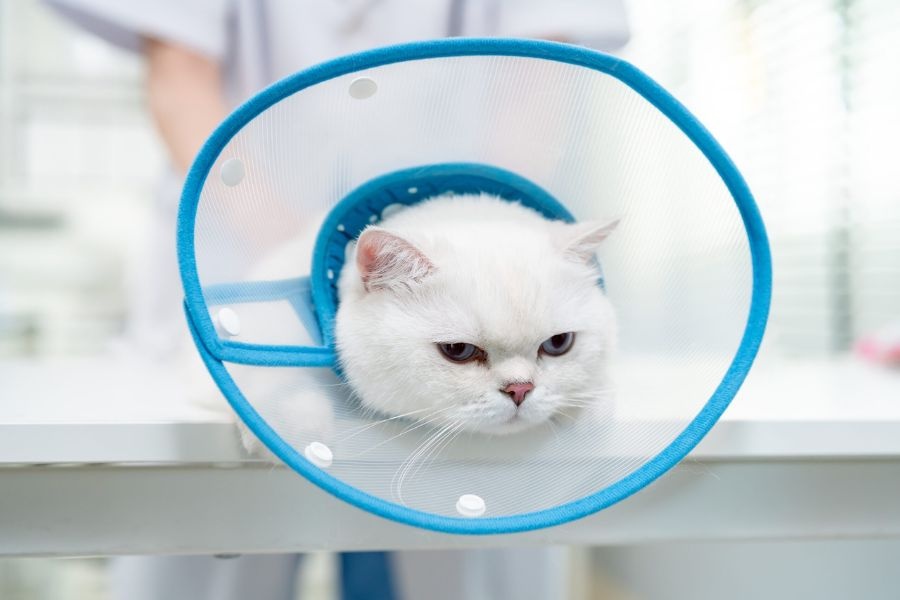
Hearing that your cat may need surgery can feel overwhelming. It’s natural to have questions, especially if you’ve never been through the process before. Unfortunately, many pet owners rely on outdated information or common myths that create unnecessary worry and delay important treatment.
The truth is that modern veterinary surgery is carefully planned, with every step focused on your cat’s comfort, safety, and recovery. Understanding the facts can help you make informed decisions and feel more confident about your cat’s care.
Here are some of the most common myths about cat surgery and the truth behind them.
Myth 1: If My Cat Is Acting Normal, Surgery Isn’t Necessary
Cats are experts at hiding discomfort. In the wild, showing weakness could make them vulnerable, and many domestic cats still carry that instinct today.
It’s possible for a cat to eat, sleep, and behave relatively normally while an underlying condition continues to develop. Veterinarians recommend surgery based on physical examinations, diagnostic findings, and your cat’s overall health, not simply because they appear uncomfortable.
Waiting until obvious symptoms appear may allow some conditions to become more difficult to manage.
Myth 2: Older Cats Can’t Have Surgery
Age alone doesn’t determine whether a cat is a good surgical candidate.
Many senior cats successfully undergo surgical procedures after receiving a thorough health evaluation. Veterinarians consider factors such as heart health, organ function, mobility, and overall physical condition before recommending surgery.
A healthy senior cat may tolerate surgery better than a younger cat with untreated medical concerns.
Each patient is evaluated individually rather than by age alone.
Myth 3: Recovery Takes Months
Many owners assume surgery means a lengthy recovery period filled with constant discomfort.
In reality, recovery depends on the type of procedure performed and your cat’s overall health. Many cats begin returning to their normal routines much sooner than owners expect when postoperative instructions are carefully followed.
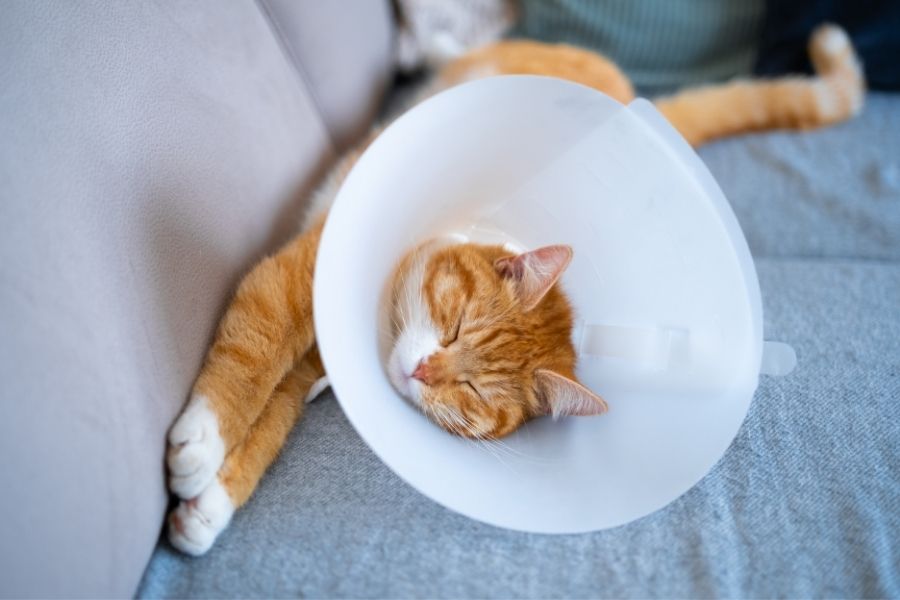
Providing a quiet recovery space, limiting activity, and attending follow-up visits all contribute to a smoother healing process.
Myth 4: Indoor Cats Never Need Surgery
Living indoors certainly reduces many risks, but it doesn’t eliminate every health concern.
Indoor cats may still develop conditions that require surgical treatment, including:
- Dental disease
- Growths or masses
- Bladder stones
- Gastrointestinal conditions
- Injuries from household accidents
Routine wellness visits help identify health concerns before they become more advanced.
Myth 5: My Cat Will Never Forgive Me
One of the biggest fears owners have is damaging their bond with their cat.
While your cat may seem quieter or less affectionate immediately after surgery, this behavior is usually temporary and related to the recovery process rather than resentment.
Once they begin feeling better, most cats gradually return to their usual personalities and daily routines.
Providing patience, gentle interaction, and a calm environment helps rebuild confidence during recovery.
Myth 6: Every Surgical Procedure Carries the Same Risk
Not all surgeries are alike.
The complexity of a procedure depends on many factors, including your cat’s age, health, medical history, and the condition being treated.
Before recommending surgery, veterinarians perform careful evaluations and discuss potential benefits, expected recovery, and postoperative care so owners understand what to expect.
Open communication helps reduce uncertainty and allows owners to make informed decisions.
Preparing Your Cat for Surgery
Preparation can make the experience less stressful for both you and your cat.
Helpful steps include:
- Following all preoperative instructions
- Preparing a quiet recovery area at home
- Bringing a secure carrier for transportation
- Asking questions about recovery before the procedure
- Monitoring your cat closely after returning home
Being prepared helps create a smoother transition from the hospital back to your home.
Trust Facts, Not Myths
Misinformation often creates unnecessary fear surrounding veterinary surgery. Understanding the facts allows you to focus on what truly matters—your cat’s long-term health and quality of life.
For cat owners in Needham, partnering with an experienced veterinary team ensures every surgical recommendation is based on your pet’s individual needs rather than common misconceptions.
At Highland Animal Hospital, we’re committed to providing compassionate surgical care while helping pet owners understand every step of the process. If your cat has been diagnosed with a condition that may require surgery, schedule an online appointment with our experienced team to discuss your options and receive personalized guidance for your pet’s care.
Frequently Asked Questions
Q1. Can older cats safely undergo surgery?
Ans: Yes. Many senior cats are good surgical candidates after a complete health evaluation. Your veterinarian considers your cat’s overall condition rather than age alone when determining whether surgery is appropriate.
Q2. How long does it usually take a cat to recover after surgery?
Ans: Recovery varies depending on the procedure and your cat’s health. Many cats begin improving within several days, while complete healing may take longer based on the type of surgery performed.
Q3. Should I keep my cat confined after surgery?
Ans: Most cats benefit from a quiet, comfortable recovery area with limited activity. Your veterinarian will provide specific instructions based on your cat’s procedure and expected healing process.
Q4. Is it normal for my cat to act differently after surgery?
Ans: Yes. Temporary changes such as sleeping more, reduced activity, or decreased appetite may occur during recovery. Your veterinarian will explain which changes are expected and what should be monitored.
Q5. Why are follow-up appointments important after surgery?
Ans: Follow-up visits allow your veterinarian to monitor healing, evaluate your cat’s recovery, answer your questions, and make sure everything is progressing as expected.