31 Wellesley Ave.
Needham Heights, MA 02494


How to Prepare Your Dog for Surgery
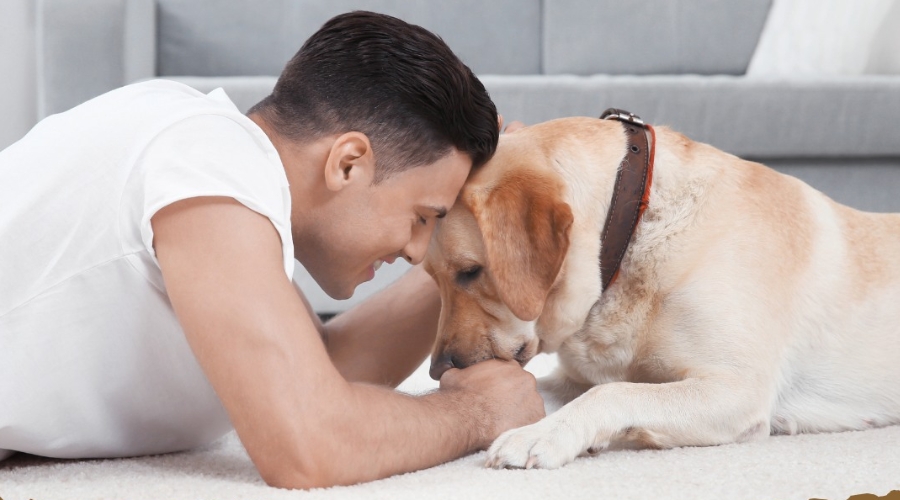
When your dog needs surgery, it is natural to feel concerned. However, proper preparation can make a significant difference in ensuring a safe and smooth experience. From pre-surgery instructions to post-operative care, every step plays a vital role in your pet’s recovery.
At Highland Animal Hospital, we understand how important your dog’s health is. Therefore, we guide pet owners through every stage of the process. With the right preparation, you can reduce stress for both you and your pet. This guide is especially helpful for pet owners in Needham Heights, MA.
Why Preparation Matters Before Surgery
First and foremost, preparing your dog for surgery reduces risks and improves recovery outcomes. A well-prepared pet is less likely to experience complications during or after the procedure.
Additionally, preparation helps:
- Ensure accurate anesthesia administration
- Prevent infections
- Reduce anxiety in your dog
- Support faster healing
As a result, both you and your veterinarian can approach the procedure with confidence.
Understanding the Procedure
Before the surgery, your veterinarian will explain the procedure in detail. Make sure you fully understand what to expect.
Ask questions such as:
- What type of surgery is being performed?
- How long will it take?
- What are the potential risks?
- What is the expected recovery time?
Clear communication helps you feel more prepared and informed.
Pre-Surgery Health Check
A thorough health evaluation is essential before any operation. Your veterinarian may perform blood tests, physical exams, and other diagnostics.
These tests help:
- Detect underlying conditions
- Ensure your dog can safely undergo anesthesia
- Customize the surgical plan
Skipping this step can increase risks, so always follow your vet’s recommendations.
Fasting Before Surgery
One of the most important steps is fasting. Typically, dogs should not eat for 8–12 hours before surgery. This reduces the risk of vomiting during anesthesia.
However, water is usually allowed until a few hours before the procedure. Always follow your veterinarian’s specific instructions.
Preparing Your Home for Recovery
Your dog will need a calm and comfortable space after surgery. Therefore, prepare your home in advance.
Create a Recovery Area
Choose a quiet location away from noise and activity. Use soft bedding to keep your dog comfortable.
Limit Movement
Avoid stairs and jumping areas. Restricted movement prevents injury and supports healing.
Keep Essentials Nearby
Place food, water, and medications within easy reach.
By preparing early, you make the transition from clinic to home much easier.
Managing Your Dog’s Anxiety
Many dogs feel nervous before surgery. Fortunately, there are ways to keep them calm.
- Spend quality time with your dog
- Maintain a normal routine
- Use calming tones and gentle touch
- Bring a favorite toy or blanket
Your calm behavior will reassure your pet.
The Day of Surgery
On the day of the procedure, follow all instructions carefully.
Before Leaving Home
- Ensure your dog has fasted properly
- Take your dog for a short walk
- Avoid giving treats or food
At the Clinic
Arrive on time and provide any required information. Your veterinarian may ask about recent behavior or health changes.
At this stage, your dog will be prepared for the dog surgery process under professional supervision.
Post-Surgery Care: What to Expect
After the procedure, your dog will need special attention. Recovery is just as important as preparation.
Monitoring Your Dog
Keep an eye on your dog’s behavior. Mild drowsiness is normal, but unusual symptoms should be reported.
Administering Medications
Follow all medication instructions carefully. Do not skip doses.
Managing Pain
Your veterinarian will provide pain relief options. Never give human medications unless advised.
Preventing Licking or Biting
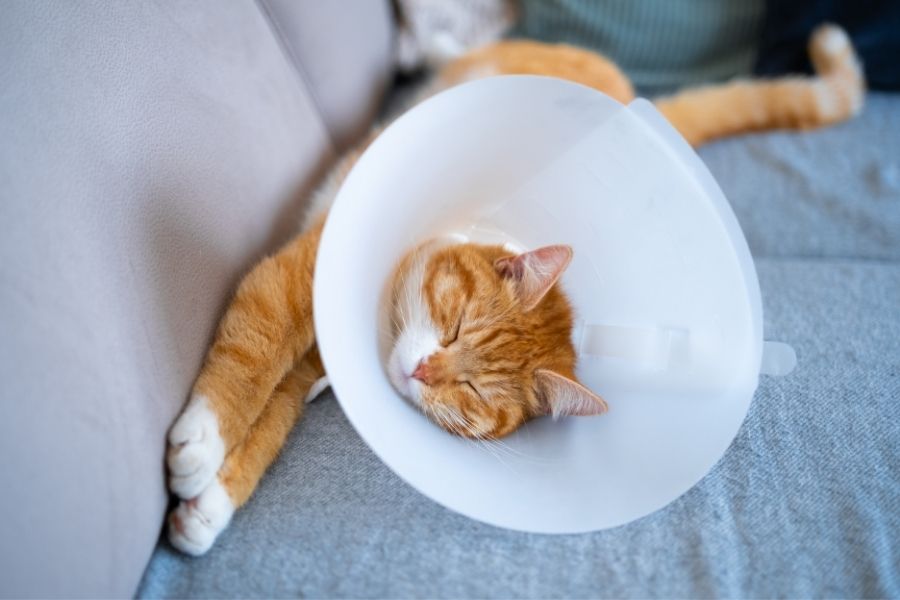
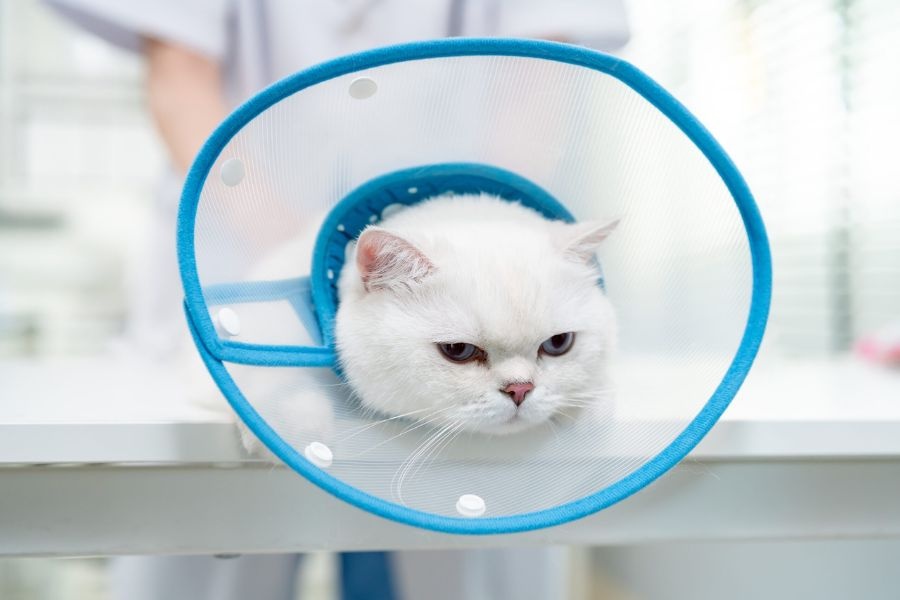
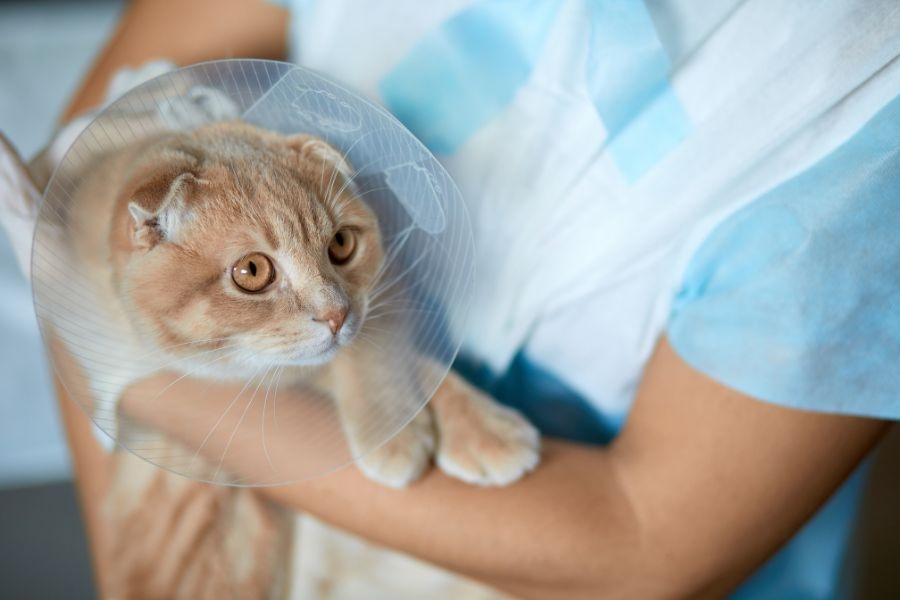
Use an Elizabethan collar if necessary to protect the surgical site.
Proper care ensures a smooth recovery after dog surgery.
Feeding After Surgery
Your dog may not feel hungry immediately after surgery. Start with small portions of easily digestible food.
Gradually return to a normal diet as your dog regains appetite. Always follow your veterinarian’s feeding guidelines.
Follow-Up Appointments
Follow-up visits are essential to monitor healing. During these visits, your veterinarian will:
- Check the surgical site
- Remove stitches if needed
- Assess overall recovery
Do not skip these appointments, as they ensure everything is progressing well.
Common Mistakes to Avoid
Even with good intentions, some mistakes can delay recovery.
Avoid:
- Allowing too much activity too soon
- Ignoring post-surgery instructions
- Missing medication doses
- Failing to monitor the incision
By staying attentive, you can prevent complications.
Supporting a Smooth Recovery
Consistency and care are key. Stick to routines, provide comfort, and stay in close contact with your veterinarian.
Additionally, keep your dog mentally engaged with gentle activities once approved. This helps reduce boredom during recovery.
Why Choose Highland Animal Hospital?
At Highland Animal Hospital, we prioritize your pet’s safety and comfort. Our experienced team provides:
- Comprehensive pre-surgery evaluations
- Advanced surgical techniques
- Personalized recovery plans
- Compassionate care at every step
If you are a pet owner in Needham Heights, MA, having a trusted veterinary partner ensures peace of mind during your dog’s surgical journey.
Preparing your dog for surgery may feel overwhelming, but with the right steps, you can ensure a safe and successful experience. From fasting and health checks to post-operative care, every detail matters.
If you are in Needham Heights, MA and looking for a dog surgery near you, book an appointment with Highland Animal Hospital. Our veterinary team is dedicated to providing expert surgical care and supporting your pet’s recovery every step of the way.
FAQs
1. How do I prepare my dog the night before surgery?
Make sure your dog follows the fasting instructions, provide a calm environment, and avoid giving any food or treats unless advised by your veterinarian.
2. Can I stay with my dog during the surgery?
Most veterinary clinics do not allow owners in the surgical area, but the medical team will ensure your dog is safe and well cared for throughout the procedure.
3. What should I bring on the day of my dog’s surgery?
Bring any medical records, current medications, and follow your clinic’s instructions regarding paperwork or special requirements.
4. How long does it take for a dog to recover after surgery?
Recovery time varies depending on the procedure, but most dogs begin to feel better within a few days and fully recover within a few weeks.
6. When should I call the vet after my dog’s surgery?
Contact your veterinarian if you notice excessive swelling, bleeding, loss of appetite, vomiting, or unusual behavior during recovery.