31 Wellesley Ave.
Needham Heights, MA 02494



Periodontal Disease in Dogs: Causes, Stages and Treatment
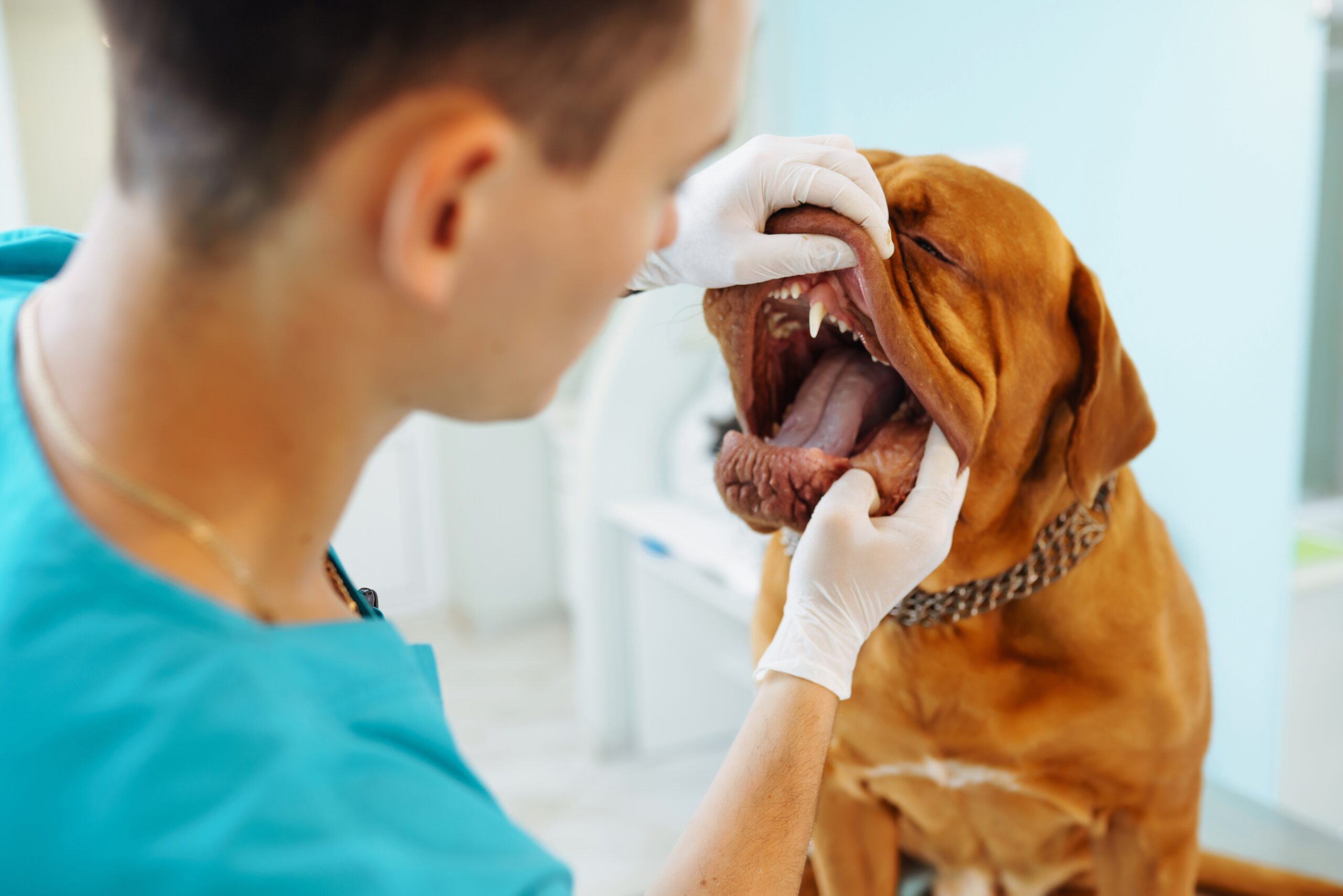
A healthy mouth is an important part of your dog’s overall well being, but dental problems can develop quietly. Many dogs continue eating normally even when plaque, tartar, and gum inflammation are causing discomfort. By the time obvious signs appear, periodontal disease may already have progressed beyond its earliest stage.
Understanding dog periodontal disease can help pet parents recognize warning signs and take action before dental problems become more advanced. This condition begins with plaque buildup around the teeth and can eventually affect the gums, supporting tissues, and structures surrounding the teeth.
For families in Needham Heights and surrounding communities, regular veterinary examinations and consistent dog dental care can help protect your dog’s oral health throughout life. Knowing the causes, stages, and treatment options can also make it easier to recognize when professional dental attention may be needed.
What Is Periodontal Disease in Dogs?
Periodontal disease is an inflammatory condition affecting the tissues that support a dog’s teeth. It begins when bacteria combine with saliva and food particles to form plaque on the tooth surface.
If plaque is not removed, it can harden into tartar. Tartar creates an uneven surface where additional bacteria can accumulate. As inflammation continues, the gums may become irritated and begin pulling away from the teeth.
Over time, periodontal disease can damage the tissues and bone responsible for holding teeth securely in place.
This process is gradual, which means early dental care can be especially valuable.
What Causes Dog Periodontal Disease?
Several factors can influence a dog’s risk of developing periodontal disease. Plaque buildup is the primary starting point, but individual pets may have additional risk factors.
Common contributors include:
- Inadequate plaque removal
- Crowded or misaligned teeth
- Small mouth size
- Advanced age
- Certain breed characteristics
- Lack of regular professional dental evaluation
- Existing oral abnormalities
Some dogs develop noticeable tartar more quickly than others. Even if two pets receive similar home care, their dental needs may differ.
Regular veterinary examinations allow your dog’s mouth to be assessed as part of their overall health care.
Early Signs to Watch For
Dental disease is not always obvious in its early stages. Your dog may continue eating and behaving normally even when inflammation is beginning.
Pet parents should watch for:
- Bad breath
- Red or swollen gums
- Visible tartar
- Yellow or brown discoloration on teeth
- Bleeding gums
- Excessive drooling
- Chewing more slowly
- Dropping food
- Pawing at the mouth
- Reluctance to chew hard food or treats
Bad breath is sometimes dismissed as a normal part of having a dog, but persistent unpleasant breath can be an early indication of oral disease.
Understanding the Stages of Periodontal Disease
Veterinary dental professionals commonly describe periodontal disease according to how far the condition has progressed. Understanding these stages can help explain why early intervention matters.
Stage 1: Gingivitis
The earliest stage involves inflammation of the gums. Plaque accumulates around the gumline, causing redness and irritation.
At this stage, the supporting structures around the teeth have not experienced significant permanent damage. Professional cleaning and improved home dental care can help manage plaque and protect oral health.
Stage 2: Early Periodontal Disease
As inflammation progresses, the gums begin to separate slightly from the teeth. This creates pockets where bacteria can become trapped.
The tissues supporting the teeth may begin experiencing damage. Professional evaluation becomes increasingly important because plaque and tartar below the gumline cannot be adequately addressed through ordinary brushing alone.
Stage 3: Moderate Periodontal Disease
At this stage, inflammation and tissue damage become more significant. The structures supporting the teeth may be affected, and dogs can experience oral discomfort.
Dental imaging may be recommended to assess areas beneath the gumline that cannot be evaluated by simply looking at the visible tooth surface.
Treatment at this stage focuses on removing accumulated dental deposits and addressing affected areas to protect remaining oral structures.
Stage 4: Advanced Periodontal Disease
Advanced periodontal disease involves substantial damage to the tissues and bone supporting the teeth. Teeth may become loose, painful, or otherwise unhealthy.
Depending on the condition of individual teeth, treatment may involve extraction or other veterinary dental procedures.
The goal is to remove diseased tissue and address sources of oral pain while supporting the dog’s long term dental health.
Why Dogs May Hide Dental Pain
Dogs are remarkably good at adapting to chronic discomfort. A dog with dental disease may continue eating because food is an important instinctive behavior.
Some dogs also compensate by chewing on one side of the mouth or choosing softer foods. Owners may notice subtle changes rather than obvious signs of pain.
Behavioral changes can include:
- Less interest in chew toys
- Avoiding certain treats
- Becoming less playful
- Irritability when the face is touched
- Changes in chewing habits
- Increased drooling
Because dogs may hide oral discomfort, routine dental examinations are important even when a pet appears healthy.
How Veterinarians Evaluate Dental Health
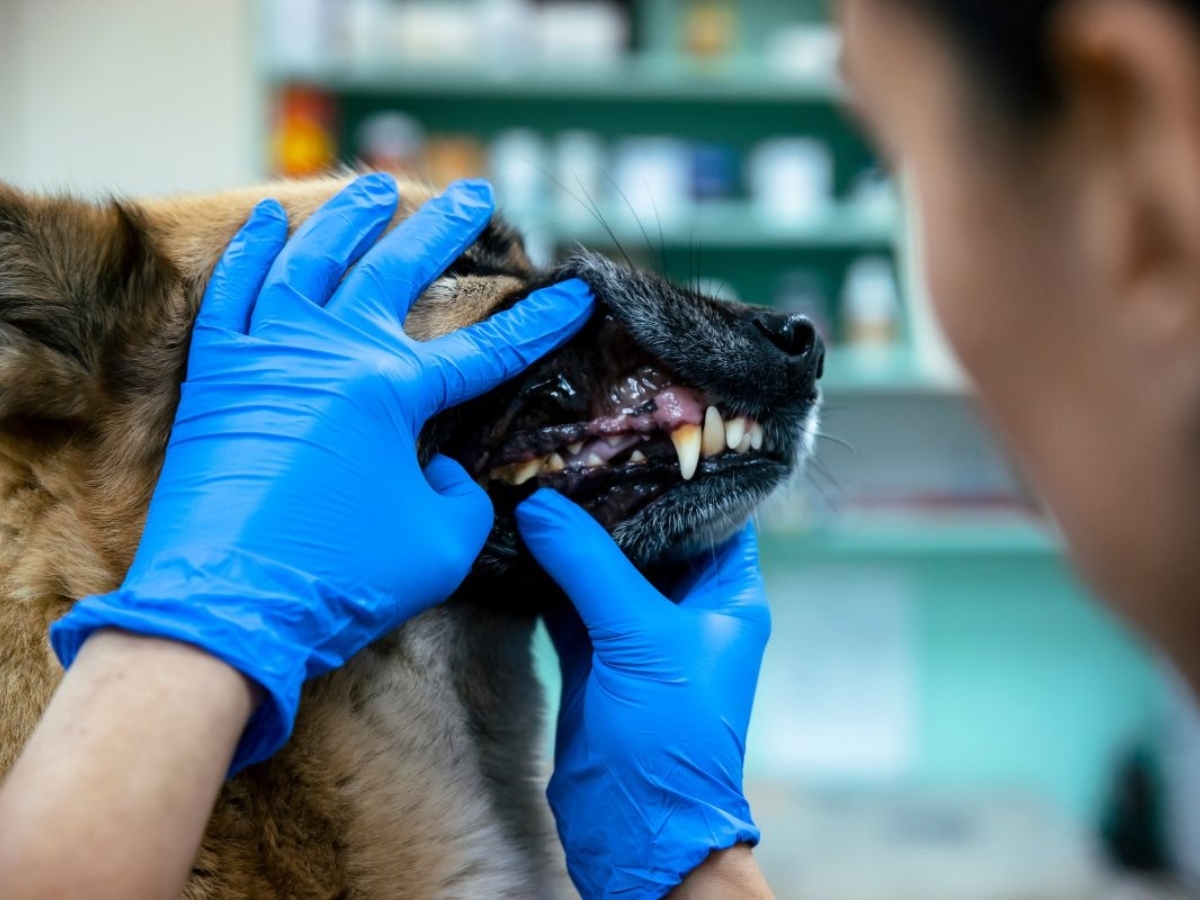
A veterinary dental evaluation begins with an examination of the mouth and surrounding structures. Your veterinarian may look for plaque, tartar, gum inflammation, loose teeth, oral masses, and other abnormalities.
A more comprehensive assessment may require dental X rays. These images can reveal changes below the gumline that cannot be seen during an ordinary visual examination.
Dental imaging can help evaluate:
- Tooth roots
- Supporting bone
- Hidden dental disease
- Root abnormalities
- Areas of bone loss
- Teeth that appear normal externally but are unhealthy internally
This information helps the veterinary team determine the appropriate treatment for individual teeth.
Treatment for Periodontal Disease
Treatment depends on the severity of the condition. Mild dental disease may be managed through professional cleaning and improved home care.
More advanced disease may require additional procedures to address damaged or unhealthy teeth.
Professional dental care can include:
- Comprehensive oral examination
- Dental X rays
- Removal of plaque and tartar
- Cleaning around the gumline
- Assessment of periodontal pockets
- Treatment or removal of unhealthy teeth when indicated
- Individualized home dental care recommendations
Your veterinarian can explain which approach is appropriate based on your dog’s oral examination and dental findings.
The Importance of Home Dog Dental Care
Professional dental treatment is only one part of maintaining good oral health. Consistent home care can help slow plaque accumulation between professional evaluations.
Depending on your dog’s temperament and dental condition, home care may include:
- Brushing the teeth with pet appropriate dental products
- Using veterinarian recommended dental treats
- Providing appropriate dental chews
- Monitoring the gums and teeth regularly
- Scheduling routine dental evaluations
Introduce toothbrushing gradually. Allow your dog to become comfortable with having their mouth handled before introducing a toothbrush.
Never force brushing if your dog appears painful or distressed. If dental disease is already advanced, have your veterinarian evaluate the mouth before beginning a home dental routine.
Can Diet Prevent Periodontal Disease?
Diet can play a role in oral health, but food alone should not be considered a complete solution for periodontal disease.
Some specially formulated diets and dental products may help reduce plaque or tartar accumulation. However, individual dental needs vary.
Your veterinarian can recommend appropriate products based on your dog’s age, health, oral condition, and lifestyle.
Protect Your Dog’s Oral Health With Highland Animal Hospital
Healthy teeth and gums are an important part of your dog’s overall quality of life. If you notice persistent bad breath, tartar, red gums, changes in chewing, or other oral changes, professional evaluation can help determine what is happening.
At Highland Animal Hospital, our veterinary team can assess your dog’s dental health and recommend appropriate care based on their individual needs. Regular examinations and consistent dog dental care can help identify periodontal disease before it progresses further.
Schedule an appointment with Highland Animal Hospital to discuss your dog’s oral health and learn how professional dental care and an appropriate home routine can support healthier teeth and gums.
Frequently Asked Questions
Q1. What is the first sign of periodontal disease in dogs?
Ans: Persistent bad breath is often one of the earliest noticeable signs. Other early changes may include red gums, visible plaque or tartar, and mild changes in chewing behavior.
Q2. Can periodontal disease cause pain in dogs?
Ans: Yes. As periodontal disease progresses, inflammation and damage to the tissues supporting the teeth can become painful. Dogs may hide discomfort, making subtle behavioral changes important to notice.
Q3. Can brushing prevent periodontal disease in dogs?
Ans: Regular toothbrushing can help reduce plaque buildup and support oral health, but it does not replace professional dental evaluations. Dogs with existing dental disease may require professional treatment first.
Q4. How do veterinarians determine how advanced periodontal disease is?
Ans: Veterinarians evaluate the gums and visible teeth and may use dental X rays to examine structures below the gumline. These findings help determine the severity of disease and appropriate treatment.
Q5. When should I schedule a dental examination for my dog?
Ans: A dental examination is appropriate if you notice bad breath, tartar, red or bleeding gums, chewing changes, drooling, loose teeth, or discomfort around the mouth. Routine veterinary examinations can also help monitor oral health before noticeable symptoms develop.