31 Wellesley Ave.
Needham Heights, MA 02494



How to Prevent Dental Disease in Your Pet: A Complete Veterinary Guide
As a pet owner, you want the best for your furry friend, including keeping them healthy in every possible way. Just like us, pets can suffer from dental disease, which can lead to a range of serious health problems if left untreated. But the good news is, dental disease in pets is largely preventable with the right care.
If you’re a pet owner in Needham, MA, and you’re wondering how to keep your pet’s teeth in top condition, this guide is especially for you. We’ll walk you through everything you need to know about preventing dental disease in your pet, from understanding the signs to taking proactive dental care that will keep their mouth healthy for years to come.
By the end of this blog, you’ll have all the tools and knowledge needed to help your pet maintain good oral hygiene and avoid the discomfort of dental issues. Let’s dive in and explore how to keep your pet’s smile shining bright!
Reasons to Care for Your Pet’s Dental Health Today
Dental disease is a common issue that affects many pets, but it often goes unnoticed until it causes more severe problems. Just like humans, pets need regular dental care to prevent plaque and tartar buildup, which can lead to gum disease, tooth loss, and even internal infections.
Dental disease can cause pain and discomfort for your pet, and untreated conditions can have serious consequences for their overall health. Keeping your pet’s mouth healthy helps ensure they remain comfortable and that they enjoy a long, happy life.
How to Prevent Dental Disease in Your Pet
Regular Brushing: The Foundation of Oral Health
Brushing your pet’s teeth regularly is the most effective way to prevent dental disease. You don’t need to brush your pet’s teeth every day, but aim for at least two to three times a week. Use a toothbrush and toothpaste designed for pets, as human toothpaste can be harmful to animals.
Brushing helps remove plaque, preventing it from hardening into tartar. It also keeps gums healthy and reduces the risk of gum disease, tooth loss, and infection.
If brushing your pet’s teeth is a challenge, start slow, using positive reinforcement to make the experience more enjoyable for both of you.
Offer Dental Chews and Toys
Dental chews and toys are another great way to support your pet’s oral health. They help reduce plaque and tartar buildup while satisfying your pet’s natural urge to chew. Look for toys and treats specifically designed to improve dental health and approved by veterinarians.
Chewing helps clean teeth, especially on hard-to-reach areas like the back teeth. It also promotes healthy gums by massaging them, thereby improving blood flow and reducing inflammation.
Remember, while dental chews are beneficial, they should complement, not replace, regular brushing.
Regular Vet Checkups and Professional Cleanings
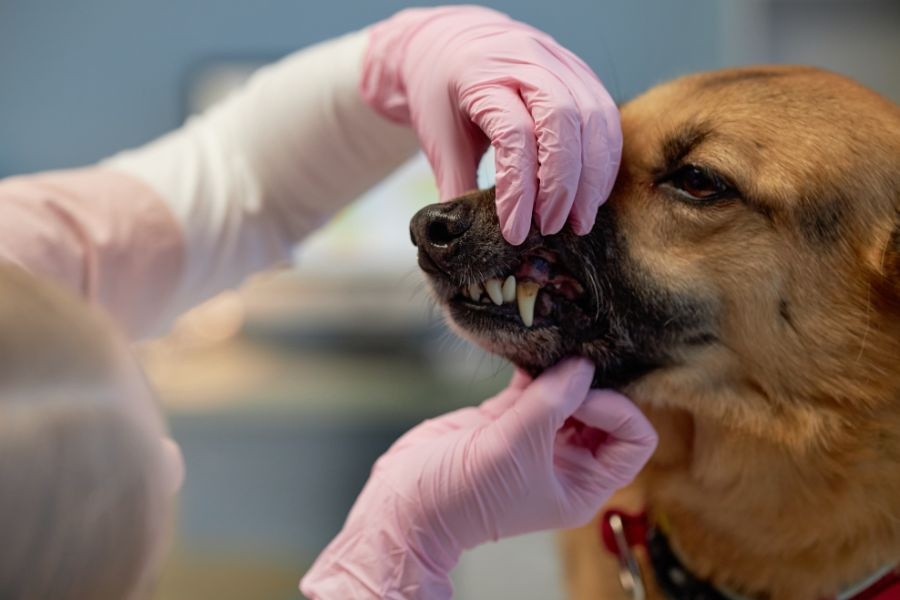
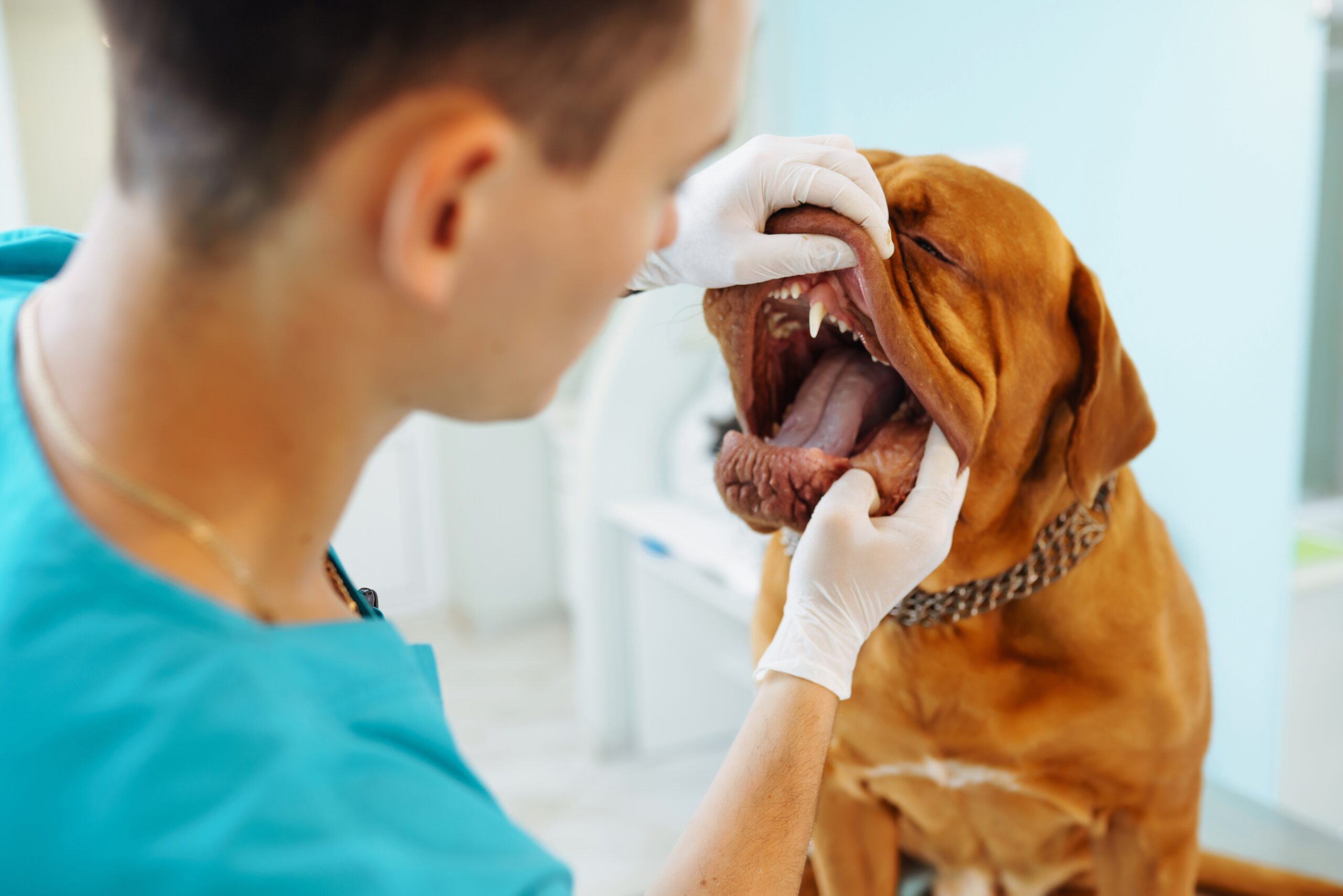
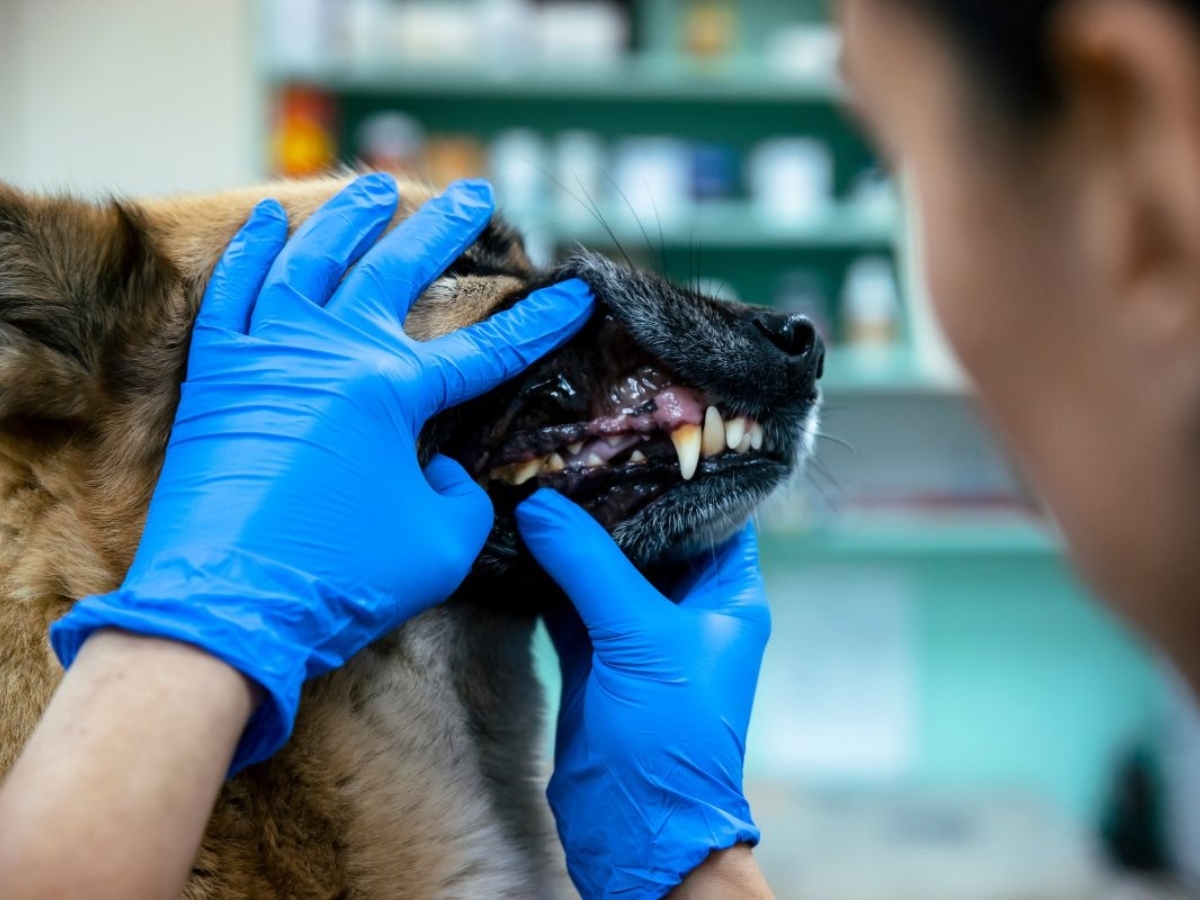
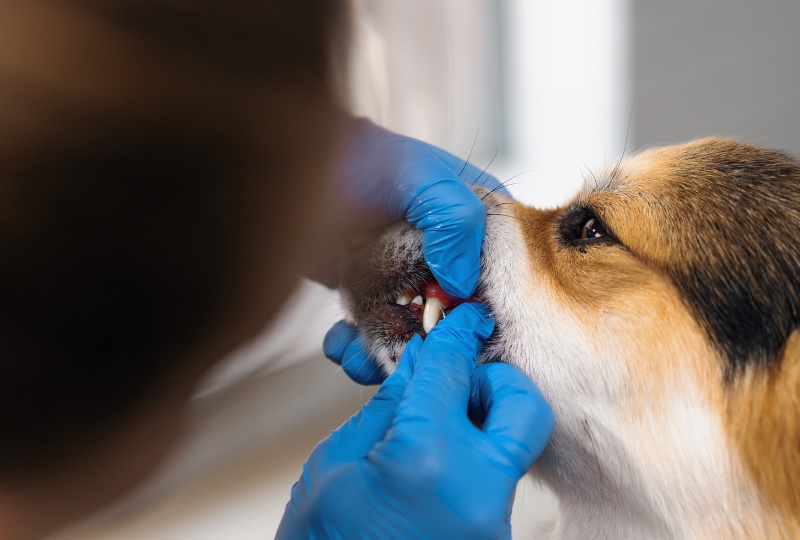
Even with daily brushing and dental chews, it’s essential to schedule regular veterinary checkups to ensure your pet’s teeth are in good condition. Your vet will examine your pet’s mouth, check for signs of disease, and may recommend professional cleanings if needed.
Regular checkups allow your vet to spot early signs of dental disease before they become more serious. If necessary, a professional cleaning under anesthesia can remove tartar that brushing and chewing can’t reach.
Annual or semi-annual checkups can help catch dental issues early and keep your pet’s teeth in top shape.
Additional Tips for Maintaining Your Pet’s Oral Health
Provide a Balanced Diet
A balanced diet plays a significant role in your pet’s overall health, including their oral health. Dry food can help reduce plaque buildup compared to wet food, but it’s important to choose a food that supports both dental and overall health.
Some commercial pet foods are designed to reduce plaque buildup, promoting better oral hygiene. Nutrient-rich food contributes to strong teeth and gums, helping to fight off infection and disease. Consult your vet to ensure you’re feeding your pet the right type of food for their dental health.
Avoid Sticky or Sugary Foods
Just like with humans, sugary or sticky foods can contribute to plaque buildup and tooth decay in pets. Avoid giving your pet sugary treats, and opt for healthier alternatives that support their oral hygiene.
Sticky foods can cling to your pet’s teeth, creating a breeding ground for plaque. Focus on providing nutritious, pet-safe treats that are good for their teeth.
The Long-Term Impact of Preventing Dental Disease
The long-term benefits of preventing dental disease are significant. By maintaining your pet’s oral health, you’re also protecting their overall health. Dental disease is linked to several serious conditions, including heart disease, kidney problems, and liver damage. Keeping your pet’s mouth healthy reduces their risk of these complications.
Risks of Ignoring Dental Health
If dental disease is left untreated, the bacteria in your pet’s mouth can spread to other parts of their body. Over time, this can lead to more severe health problems. Untreated gum disease, for example, can cause tooth loss, infection, and even a decrease in your pet’s overall lifespan.
By addressing dental issues early, you can help your pet avoid unnecessary pain and expensive treatments.
Keep Your Pet’s Oral Health Always on Top
Preventing dental disease in your pet is an essential part of keeping them healthy and happy. By brushing their teeth, offering dental chews, scheduling regular vet visits, and providing a healthy diet, you can ensure your pet enjoys a long, pain-free life. Remember, dental care is about maintaining better oral health and overall health.
If you’re in Needham and are concerned about your pet’s dental health, don’t wait to get pet dental care near you. Book an appointment at Highland Animal Hospital with our team today. Our veterinarians will assess your pet’s oral health and provide recommendations tailored to their needs, helping keep their smile and their health at its best.
FAQs
1. How often should I brush my pet’s teeth?
Aim to brush your pet’s teeth at least two to three times a week. Brushing daily is ideal, but consistency is key to preventing plaque buildup.
2. Are dental chews effective for pets?
Yes, dental chews are effective in reducing plaque and tartar buildup. They help clean teeth and massage gums, but they should complement brushing, not replace it.
3. Can I use human toothpaste for my pet?
No, human toothpaste contains ingredients that are toxic to pets, such as fluoride. Always use toothpaste specifically designed for pets.
4. How can I tell if my pet has dental disease?
Signs of dental disease in pets include bad breath, yellow or brown teeth, swollen gums, and difficulty eating. If you notice any of these, schedule a vet visit.
5. Is professional dental cleaning necessary for pets?
Yes, professional cleanings are necessary for pets to remove tartar and plaque buildup that brushing cannot reach. These cleanings are done under anesthesia for your pet’s comfort and safety.
6. How does my pet’s diet affect their dental health?
A balanced diet supports dental health by strengthening teeth and gums. Dry food can help reduce plaque buildup, while some foods are specially formulated to improve oral health.