31 Wellesley Ave.
Needham Heights, MA 02494



How to Celebrate Halloween Without Stressing Your Dog
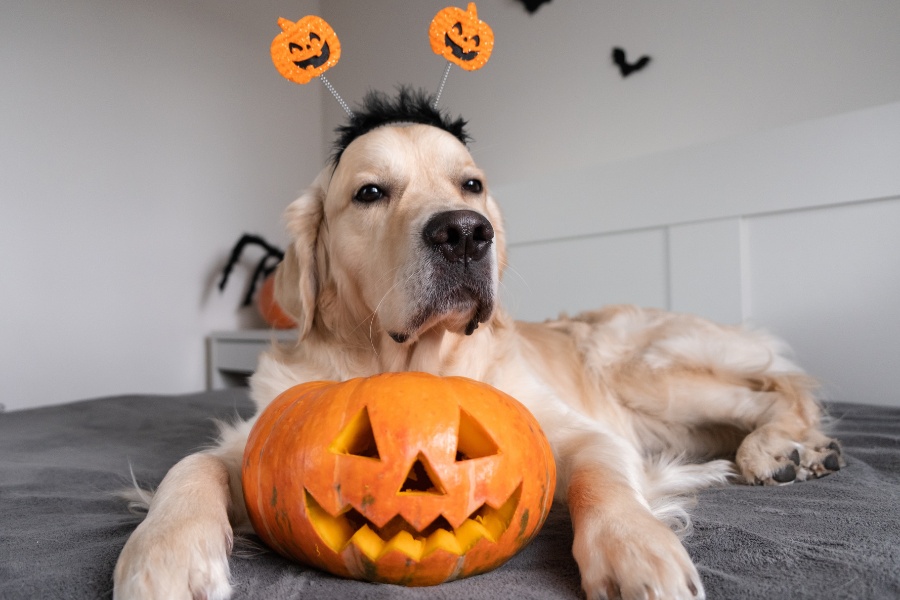
Halloween is an exciting time for humans, filled with costumes, decorations, and candy. However, for our canine companions, the holiday can be overwhelming and stressful. Loud noises, strange costumes, and unfamiliar visitors can easily trigger anxiety in dogs. Fortunately, with a few simple steps, you can ensure your dog stays calm while you enjoy the festivities. Here’s how to celebrate Halloween without stressing your dog.
Understand Your Dog’s Triggers
First and foremost, it’s essential to recognize what might trigger your dog’s stress. Some dogs react negatively to:
- Loud noises: Fireworks, doorbells, and Halloween music can be startling.
- Strangers in costumes: People wearing masks or elaborate outfits may frighten your dog.
- Unfamiliar environments: Parties, crowded streets, or even extra decorations can make your dog uneasy.
By identifying potential stressors in advance, you can take proactive steps to keep your dog comfortable.
Create a Safe Space
Next, provide your dog with a designated safe space. This can be a quiet room or a cozy corner with their bed and favorite toys. Make sure the area is:
- Comfortable: Soft bedding and familiar items can ease anxiety.
- Soundproofed: Close doors and windows to reduce noise from trick-or-treaters or fireworks.
- Accessible: Your dog should be able to retreat to this space whenever they feel overwhelmed.
Offering a secure environment helps your dog feel protected and reduces stress significantly.
Limit Exposure to Loud Noises
Loud noises are one of the most common sources of anxiety for dogs during Halloween. To mitigate this, consider:
- Playing calming music: Soft classical music or specially designed pet relaxation tracks can mask frightening sounds.
- Keeping pets indoors: Limit your dog’s exposure to doorbells and street noise by keeping them inside.
- Using white noise machines: These can effectively drown out sudden sounds from outside.
Gradually exposing your dog to controlled, low-level noises can also help desensitize them over time, making them more comfortable in future celebrations.
Manage Costume Stress
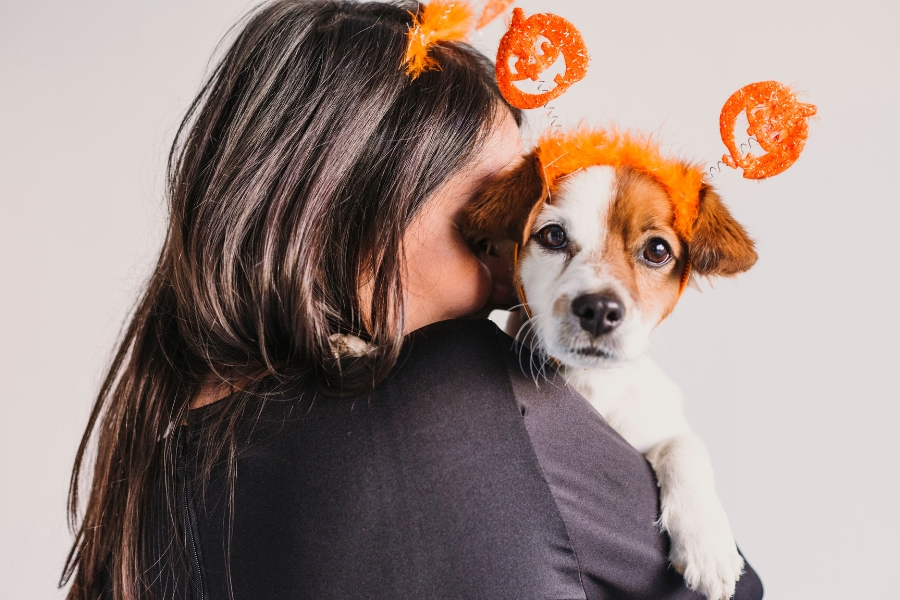
While dressing up pets might seem adorable, not all dogs enjoy costumes. To avoid added stress:
- Choose comfortable attire: Lightweight, non-restrictive outfits are best.
- Introduce costumes gradually: Let your dog sniff and explore the costume before wearing it.
- Observe their reaction: If your dog shows signs of discomfort, remove the costume immediately.
Remember, your dog’s comfort is far more important than a cute Halloween photo.
Maintain a Routine
Dogs thrive on consistency, so try to maintain their regular schedule even during Halloween festivities. Ensure your dog:
- Eats at the usual time: Sudden changes in feeding times can increase stress.
- Takes regular walks: Exercise helps release pent-up energy and reduces anxiety.
- Receives attention and affection: Consistent interaction reassures your dog that everything is normal.
By sticking to familiar routines, you provide a sense of stability amidst the chaos of Halloween.
Distract and Engage Your Dog
Keeping your dog mentally and physically stimulated can prevent boredom and anxiety. During Halloween:
- Provide interactive toys: Puzzle feeders or treat-dispensing toys can keep your dog engaged.
- Use chew toys: Chewing can act as a stress reliever for many dogs.
- Offer training sessions: Short, positive training exercises provide mental stimulation and reinforce good behavior.
Distracting your dog with fun activities ensures they remain calm, even when the house is full of trick-or-treaters.
Communicate with Guests
If you’re hosting a Halloween party or expecting trick-or-treaters, communicate with visitors about your dog. Make sure they:
- Avoid sudden interactions: Ask guests not to approach your dog directly.
- Refrain from feeding treats: Chocolate and other sweets can be toxic to dogs.
- Respect the dog’s space: Encourage them to admire from a distance if the dog seems nervous.
Educating guests helps create a safe environment and reduces unexpected stress for your pet.
Use Calming Tools
Several tools can help manage anxiety in dogs during Halloween:
- Calming wraps or vests: These apply gentle pressure and have a soothing effect.
- Aromatherapy: Dog-safe calming sprays or diffusers may help.
- Treats or supplements: Certain natural supplements can promote relaxation (always consult your veterinarian first).
Experiment with these options in advance to determine what works best for your dog.
Celebrating Halloween with your dog doesn’t have to be stressful. By identifying triggers, creating a safe space, maintaining routines, and using calming tools, you can ensure your furry friend enjoys the holiday safely. Always pay attention to your dog’s body language, and remember that their well-being comes first. If your dog experiences severe anxiety or unusual behaviors during Halloween, contact your veterinarian for professional guidance.
FAQs
Q1. Can dogs wear Halloween costumes safely?
Ans. Yes, but choose lightweight, non-restrictive outfits. Introduce the costume gradually and observe your dog’s reaction. Remove it if they show signs of discomfort.
Q2. How can I prevent my dog from getting scared by trick-or-treaters?
Ans. Keep your dog in a quiet, safe space away from the door. Use white noise or calming music to mask sounds, and inform guests not to approach your dog directly.
Q3. Are there safe treats for dogs during Halloween?
Ans. Yes, provide dog-safe treats specifically made for pets. Avoid chocolate, candy, and foods containing xylitol, as they are toxic to dogs.
Q4. Can loud music or fireworks affect my dog?
Ans. Absolutely. Loud noises can trigger anxiety. Use calming music, white noise, or keep your dog in a quiet area to reduce stress.
Q5. How can I help my dog stay calm during Halloween parties?
Ans. Maintain their routine, provide engaging toys, and give plenty of affection. Calming tools such as vests or natural supplements may also help.
Q6. When should I consult a veterinarian about my dog’s Halloween anxiety?
Ans. If your dog shows severe anxiety, destructive behavior, or unusual aggression during Halloween, contact your veterinarian for professional advice.