31 Wellesley Ave.
Needham Heights, MA 02494



Your Puppy’s First Vet Visit: What to Expect and How to Prepare
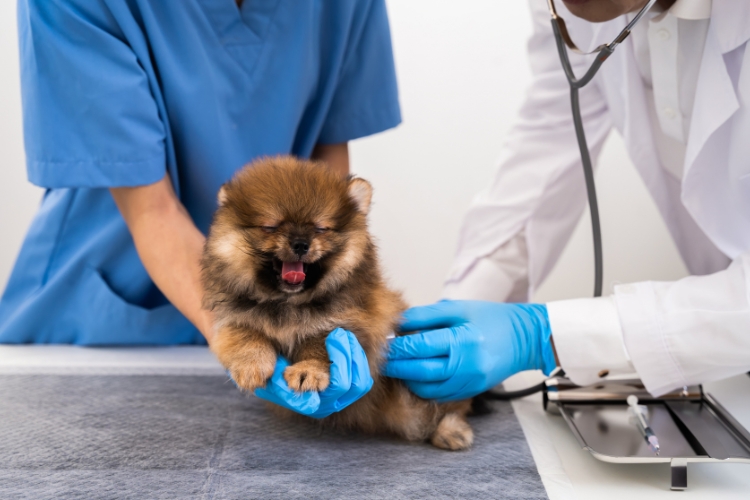
Bringing a new puppy home is an exciting and joyful moment for any pet owner. Along with the fun and bonding, early health care plays an important role in shaping your puppy’s future. A first visit to a veterinarian lays the foundation for lifelong wellness and helps catch early concerns before they become serious issues.
This guide is especially for pet owners of Needham, MA, who want to give their puppies the best possible start. Many families feel unsure about what happens during the first visit or how to prepare properly. Clear guidance can help you feel confident and ready to make your puppy’s first appointment smooth and stress-free.
Why the First Visit Matters More Than You Think
A puppy’s first appointment is not just a routine check. It introduces your puppy to a new environment and builds trust with a veterinarian. Early visits also help create a health record that tracks growth, development, and any changes over time.
Many pet owners ask when they should take their new puppy to the vet after bringing them home. Most vets recommend scheduling a visit within the first week. Early care allows the vet to check for hidden issues and start important preventive steps right away.
What Happens During the First Appointment
Understanding what takes place during the visit can help reduce stress for both you and your puppy. A puppy’s first checkup includes a full physical exam and important discussions about your puppy’s health.
During the visit, a vet will examine your puppy from head to tail. The exam includes checking eyes, ears, teeth, skin, and overall body condition. Weight and temperature are also recorded to track growth and detect any early concerns.
The appointment also includes guidance on feeding, behavior, and training. The veterinary team may discuss vaccination schedules, parasite prevention, and general puppy care tips that fit your puppy’s needs.
How to Prepare Before the Big Day
Preparation plays a key role in making the visit smooth and comfortable. Planning helps reduce anxiety and ensures that everything goes as expected.
- Bring medical records: Any paperwork from the breeder or shelter provides important information about your puppy’s health history.
- Use a secure carrier: A crate or leash keeps your puppy safe and prevents unexpected accidents during travel.
- Pack favorite items: Bringing a toy or blanket can help your puppy feel more relaxed in a new environment.
- Write down questions: Preparing questions in advance ensures that you do not forget important concerns during the visit.
Following a puppy’s first vet visit checklist can make the process easier and more organized. Being prepared allows you to focus on your puppy’s comfort and care.
Vaccinations and Preventive Care Explained
Vaccinations are one of the most important parts of early care. They protect puppies from diseases that can be serious or even life-threatening. The veterinarian will create a schedule based on your puppy’s age and health status.
Preventive care also includes protection against parasites like fleas, ticks, and worms. Early treatment helps avoid discomfort and reduces the risk of infection. Starting these measures early builds a strong foundation for your puppy’s long-term health.
Understanding Your Puppy’s Growth and Development
Puppies grow quickly during their first year, and regular visits help monitor their progress. Each stage of growth brings new needs and challenges that require attention.
A puppy wellness exam allows a veterinarian to track weight, development, and overall health. Growth patterns can reveal important details about nutrition and activity levels. Early guidance helps pet owners adjust care routines to match their puppy’s needs.
Feeding and Nutrition Tips for a Strong Start
Proper nutrition plays a major role in your puppy’s development. Feeding the right food in the correct portions supports healthy growth and energy levels.
The veterinarian can recommend the best diet based on your puppy’s breed, size, and age. Consistent feeding schedules help maintain digestive health and prevent overeating. Clean water should always be available to keep your puppy hydrated.
Socialization and Behavior Guidance
Early visits are not only about physical health but also about behavior and social development. Puppies learn quickly during their early months, making it the perfect time to build positive habits.
The veterinary team may provide advice on training, socialization, and the management of common behaviors. Introducing your puppy to new environments, people, and experiences helps build confidence and reduce anxiety later in life.
Common Concerns Pet Owners Often Have
Many new pet owners feel unsure about what is normal during the early stages of puppy care. Asking questions during the visit can help clear doubts and provide reassurance.
- Appetite can vary, but consistent eating habits usually indicate good health.
- Biting is common during teething and can be managed with proper training.
- Puppies need a lot of rest, often sleeping many hours throughout the day.
- House training takes time, and accidents are part of the learning process.
Discussing these concerns with a veterinarian helps ensure that your puppy is on the right track.
Building a Long-Term Health Routine
Consistency is key to keeping your puppy healthy. Regular visits, proper nutrition, and preventive care all work together to support long-term wellness.
A strong relationship with a veterinarian helps ensure that your puppy receives timely care as they grow. Routine checkups enable early detection of potential issues and guide you through each stage of life.
Give Your Puppy the Best Start From Day One
A first visit is more than just an appointment. It is the beginning of a lifelong journey toward better health and happiness. Highland Animal Hospital provides care designed to guide puppies through every stage of their early development and beyond.
If you are in Needham and looking for trusted care for your new puppy, book an appointment with Highland Animal Hospital. Learn how our team can help you prepare for your puppy’s first visit and future care needs.
Frequently Asked Questions
1. What should I bring to my puppy’s first visit?
Bring any medical records, vaccination history, and details about diet or behavior. A leash or carrier, along with a favorite item, can help keep your puppy calm during the visit.
2. How long does a puppy’s first vet visit usually take?
The first visit typically lasts between thirty and sixty minutes. Extra time is often needed to discuss care, answer questions, and ensure your puppy feels comfortable.
3. Can I feed my puppy before the appointment?
Feeding a light meal is usually fine unless advised otherwise. The veterinarian may provide specific instructions if any tests or treatments require an empty stomach.
4. How often will my puppy need vet visits after the first one?
Puppies usually need several visits during their first year for vaccinations and checkups. The veterinarian will create a schedule based on your puppy’s needs.
5. What if my puppy seems nervous during the visit?
Nervous behavior is normal for a first visit. Staying calm, using gentle reassurance, and bringing familiar items can help your puppy feel more secure.