31 Wellesley Ave.
Needham Heights, MA 02494



Small Dogs, Big Dental Risks: Why Toy Breeds Need Earlier Oral Care
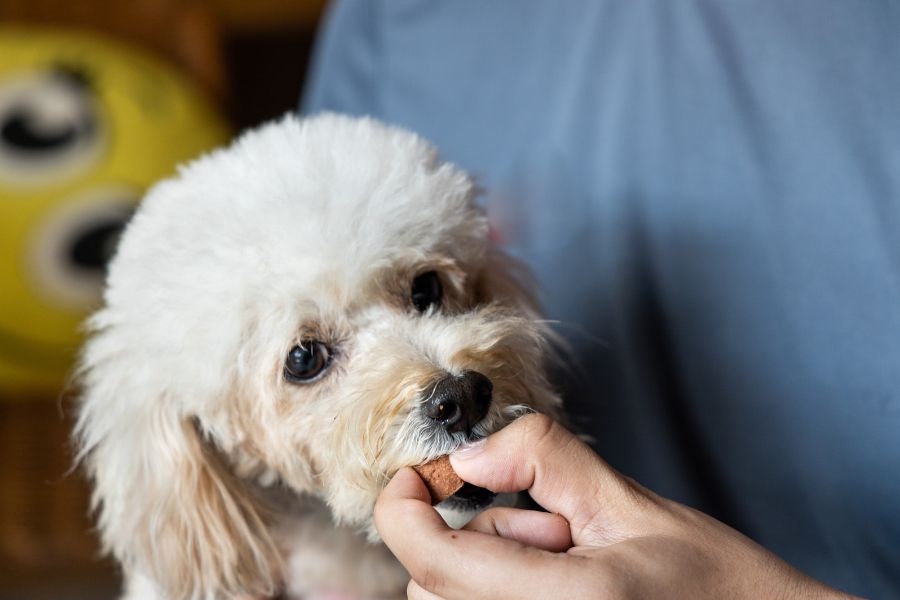
Small dogs may have tiny mouths, but their dental health needs deserve considerable attention. Breeds such as Chihuahuas, Yorkshire Terriers, and French Bulldogs can be especially prone to dental problems because their teeth may be crowded into relatively small jaws. When teeth overlap or sit at unusual angles, food particles and bacteria can collect in places that are difficult to clean.
For pet owners in Needham Heights and nearby Wellesley, understanding these risks is an important part of responsible pet dental care. Dental disease does not always begin with obvious discomfort. Tartar buildup, gum inflammation, and changes beneath the gumline can develop while a dog continues eating and behaving normally.
Knowing the warning signs and arranging appropriate dental evaluations early can help protect your small dog’s teeth, gums, and supporting jawbone.
Why Small Dogs Face Greater Dental Challenges
Dogs generally have the same types of teeth regardless of their size, but the space available for those teeth can vary considerably. In many toy breeds, a relatively small jaw must accommodate a full set of adult teeth. This can lead to crowding, overlapping, and rotated teeth.
When teeth are positioned too closely together, normal chewing and saliva may not remove food debris effectively. Bacteria can accumulate around the gumline and between teeth, contributing to plaque formation. Over time, plaque can harden into tartar, which cannot be removed through ordinary brushing.
Crowded teeth can also create small spaces where inflammation develops more easily. These areas may be difficult for owners to reach with a toothbrush, making professional dental evaluations particularly important.
Some brachycephalic breeds, including French Bulldogs, have shortened facial structures that can affect tooth positioning. Their dental arrangement may create additional areas where debris collects. However, individual anatomy varies, so every dog’s mouth should be assessed separately.
How Crowded Teeth Accelerate Plaque and Tartar Buildup
Plaque is a soft bacterial film that forms on teeth throughout the day. Without regular removal, it can mineralize and become tartar, also called dental calculus.
In a dog with properly spaced teeth, brushing may reach many of the accessible tooth surfaces. In a dog with crowded or rotated teeth, however, certain areas are harder to clean. Debris can remain trapped between neighboring teeth, allowing plaque to accumulate.
As tartar builds up near the gumline, the surrounding gum tissue may become irritated. This can lead to gingivitis, which is characterized by redness, swelling, and bleeding.
If inflammation progresses, periodontal disease can develop. This condition affects the structures that support the teeth, including the gums, periodontal ligament, and jawbone. Advanced disease can result in loose teeth, discomfort, infection, and tooth loss.
Small dogs are not the only pets affected by periodontal disease, but their dental anatomy can make prevention especially important.
Retained Baby Teeth: A Common Concern in Toy Breeds
One dental issue that deserves attention in small dogs is retained deciduous teeth. These are baby teeth that remain in the mouth after the permanent teeth begin to erupt.
Normally, baby teeth fall out as adult teeth take their places. In some small breeds, a baby tooth remains even after its permanent replacement has appeared. This can cause two teeth to occupy nearly the same space.
Retained baby teeth may contribute to:
- Crowding and abnormal tooth positioning.
- Food and plaque collecting between neighboring teeth.
- Gum irritation and inflammation.
- Changes in the way the upper and lower teeth meet.
- Increased risk of periodontal disease at a young age.
Owners may notice two teeth appearing close together in one area, particularly around the canine teeth. However, some retained teeth are difficult to identify without a proper oral examination.
A veterinarian may recommend extracting a retained baby tooth to prevent continued crowding and reduce the risk of damage to surrounding tissues. Extraction should be performed carefully because the roots of baby teeth can be delicate and may sit close to developing permanent teeth. Dental imaging may help the veterinary team evaluate the tooth and plan an appropriate procedure.
Do not attempt to loosen or remove a retained tooth at home. Professional assessment is important to protect the permanent tooth and surrounding structures.
Why Early Preventive Dental Cleaning Matters
Waiting until a small dog develops noticeable dental discomfort can allow disease to progress. Regular dental evaluations give veterinarians an opportunity to identify plaque accumulation, gum inflammation, crowded teeth, and other concerns before they become more advanced.
When professional scaling is recommended, it is generally performed under anesthesia. This allows the veterinary team to clean tooth surfaces above and below the gumline while reducing movement and discomfort. The veterinarian can also examine areas that cannot be properly assessed in an awake dog.
A professional dental procedure may include:
- Removing plaque and hardened tartar.
- Cleaning beneath the gumline.
- Examining individual teeth for damage or disease.
- Evaluating gum pockets and tooth stability.
- Taking dental radiographs when indicated.
- Polishing tooth surfaces after scaling.
Dental X-rays are particularly valuable because problems can exist below the gumline even when the visible portion of a tooth appears normal. They can help identify changes in tooth roots and surrounding bone that may influence treatment decisions.
The timing of professional cleaning depends on the dog’s dental condition, age, breed, and individual risk factors. Your veterinarian can recommend an appropriate schedule rather than relying on a fixed interval for every pet.
Recognizing the Warning Signs of Dental Disease
Dogs do not always show obvious signs when their mouths hurt. Some continue eating despite significant dental problems, while others quietly change their chewing habits.
Watch for these warning signs:
- Persistent bad breath that is different from your dog’s usual breath.
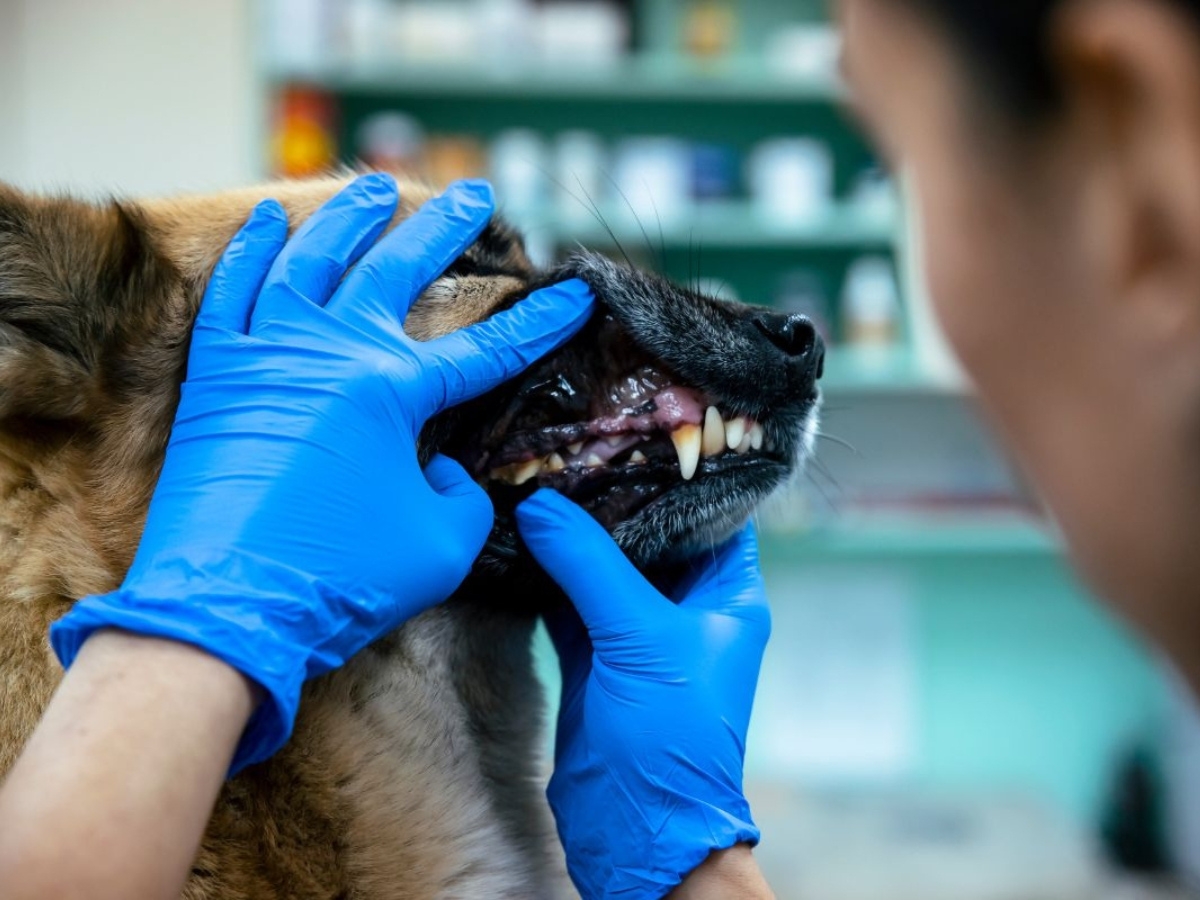
- Yellow or brown tartar deposits near the gumline.
- Red, swollen, or bleeding gums.
- Dropping food while eating.
- Chewing on one side of the mouth.
- Pawing at the face or rubbing the muzzle.
- Hesitation when chewing hard food or toys.
- Excessive drooling or changes in eating behavior.
- Loose, broken, or discolored teeth.
A sudden change in appetite, facial swelling, or visible oral discomfort also deserves prompt veterinary attention. These signs should not be dismissed as normal aging or a minor inconvenience.
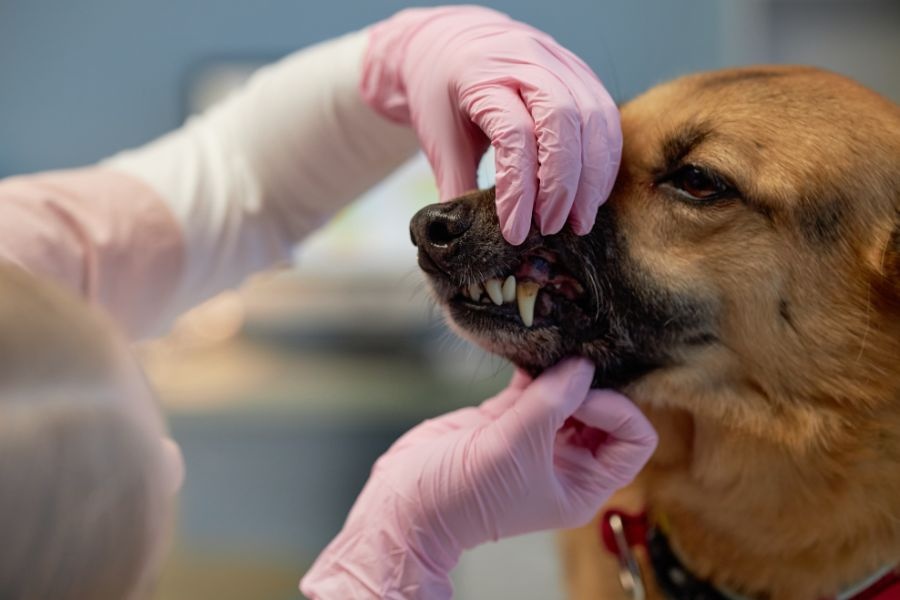
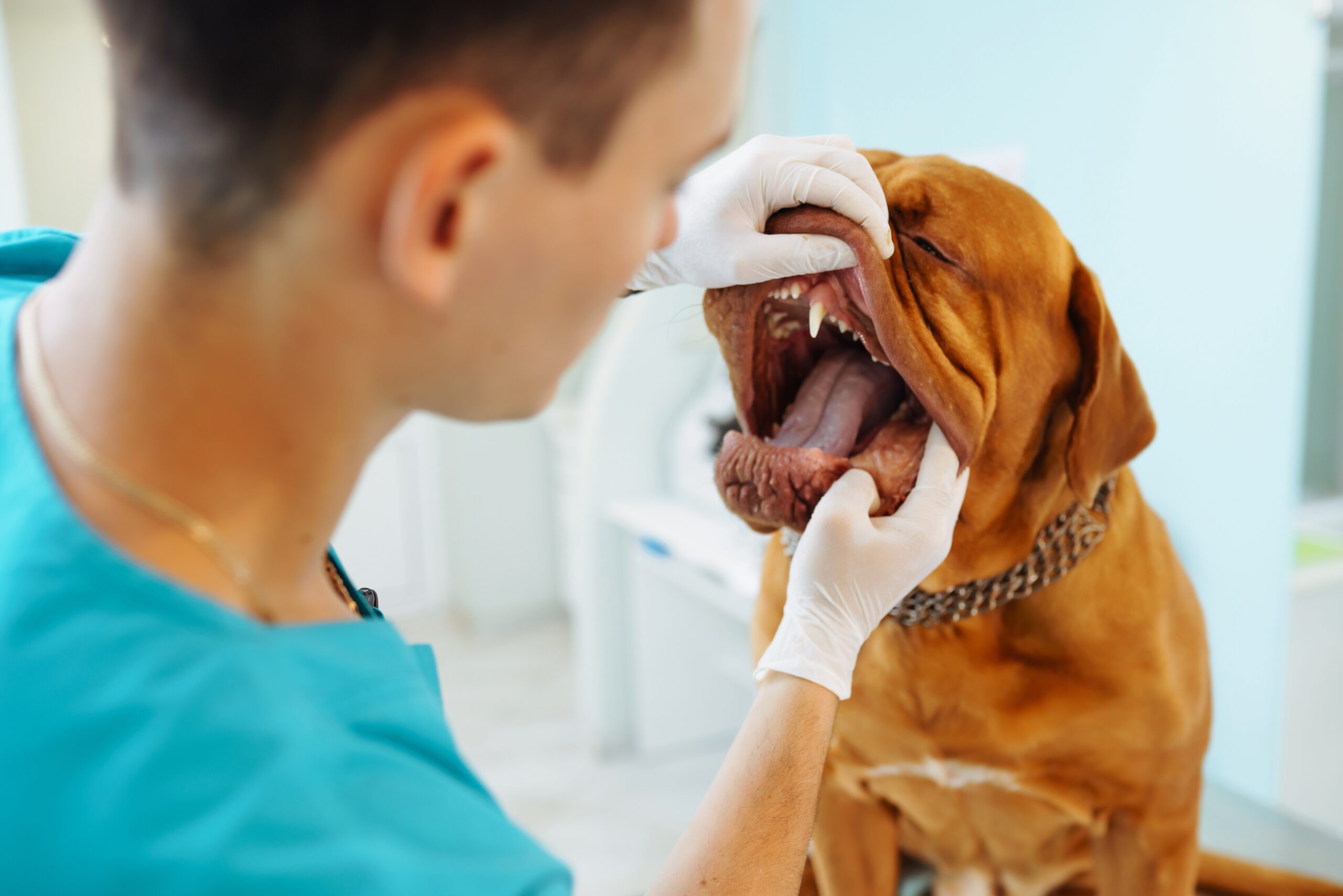
Regularly lifting your dog’s lips gently can help you notice visible changes. However, a home inspection cannot replace a professional dental examination.
How to Keep Your Small Dog’s Teeth Healthy at Home
Daily habits can make a meaningful difference in managing plaque and supporting oral health. While home care does not replace professional cleaning, it can help maintain cleaner teeth between veterinary visits.
Brush Your Dog’s Teeth Consistently
Brushing is one of the most useful ways to remove soft plaque before it hardens. Use a toothbrush designed for dogs and veterinary-approved toothpaste. Human toothpaste is not appropriate for pets because some ingredients can be harmful if swallowed.
Start slowly by allowing your dog to become comfortable with having its lips and mouth handled. Gradually introduce the toothbrush and keep early sessions short and positive. Focus on the outer tooth surfaces, particularly along the gumline.
For dogs with crowded teeth, ask your veterinarian which areas need additional attention.
Choose Appropriate Dental Chews
Some dental chews are designed to help reduce plaque through mechanical contact with tooth surfaces. Choose products appropriate for your dog’s size and chewing habits.
Avoid items that are excessively hard, since they may damage teeth. Your veterinary team can help you select suitable options and explain how often they should be offered.
Maintain Regular Oral Examinations
Home brushing cannot reach every surface or identify problems beneath the gums. Routine veterinary examinations help detect developing dental disease and determine whether professional cleaning is needed.
For toy breeds and dogs with crowded teeth, discussing oral health during routine wellness visits is particularly worthwhile.
Protect Your Dog’s Smile at Highland Animal Hospital
Small dogs deserve dental care that takes their individual anatomy and risk factors into account. Whether your companion is a Chihuahua, Yorkie, French Bulldog, or another small breed, early attention to crowded teeth, retained baby teeth, and gum health can make a meaningful difference.
Highland Animal Hospital serves pet families in Needham Heights and surrounding communities, including Wellesley. Schedule a dental evaluation to discuss your dog’s oral health, identify potential concerns, and create a care plan suited to its needs. Taking action before dental disease progresses can help support greater comfort and healthier teeth over time.
Frequently Asked Questions
Q1. Why do small dogs develop dental problems earlier than larger dogs?
Ans: Many small breeds have relatively compact jaws that must accommodate a full set of teeth. Crowding and overlapping can create spaces where food debris and bacteria collect, increasing the risk of plaque buildup and periodontal disease.
Q2. How can I tell if my puppy has retained baby teeth?
Ans: You may notice two teeth occupying nearly the same position, particularly near the canine teeth. A veterinary oral examination can confirm whether a baby tooth has remained after its permanent replacement has erupted.
Q3. Is professional dental cleaning necessary if I brush my dog’s teeth?
Ans: Yes, when recommended by your veterinarian. Brushing helps control plaque at home, but it cannot reliably remove hardened tartar or clean beneath the gumline. Professional dental procedures allow a more complete evaluation and cleaning.
Q4. Can dental disease cause jawbone damage in small dogs?
Ans: Yes. Advanced periodontal disease can damage the tissues and bone supporting the teeth. Early diagnosis and appropriate treatment can help limit progression and reduce the risk of tooth loss.
Q5. How often should a small dog have its teeth checked?
Ans: Your veterinarian should examine your dog’s mouth during routine wellness visits. Dogs with crowded teeth, retained baby teeth, or previous dental disease may need more frequent evaluations based on their individual condition.