31 Wellesley Ave.
Needham Heights, MA 02494



10 Essential Tips to Keep Your Senior Dog Healthy and Happy
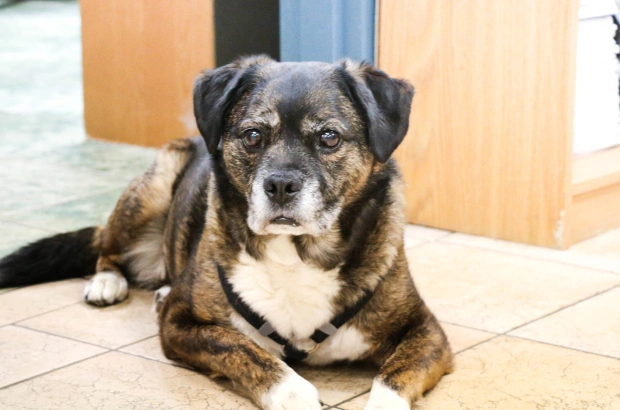
As dogs grow older, their needs evolve—just like humans. Senior dogs may slow down, sleep more, or experience joint stiffness, but with the right care, they can still enjoy vibrant, fulfilling lives. Aging doesn’t mean decline; it means adjusting how we nurture and support our loyal companions.
This guide shares 10 essential tips to keep your senior dog healthy, active, and joyful through every golden year.
1. Schedule Regular Veterinary Checkups
Your dog’s annual vet visit should now become a biannual routine. Senior dogs are more prone to age-related conditions such as arthritis, diabetes, heart disease, and dental problems.
Frequent wellness exams allow your veterinarian to detect changes early, update vaccinations, and recommend lifestyle adjustments. Preventive care leads to longer, more comfortable lives—and fewer surprises along the way.
2. Feed a Balanced, Senior-Appropriate Diet
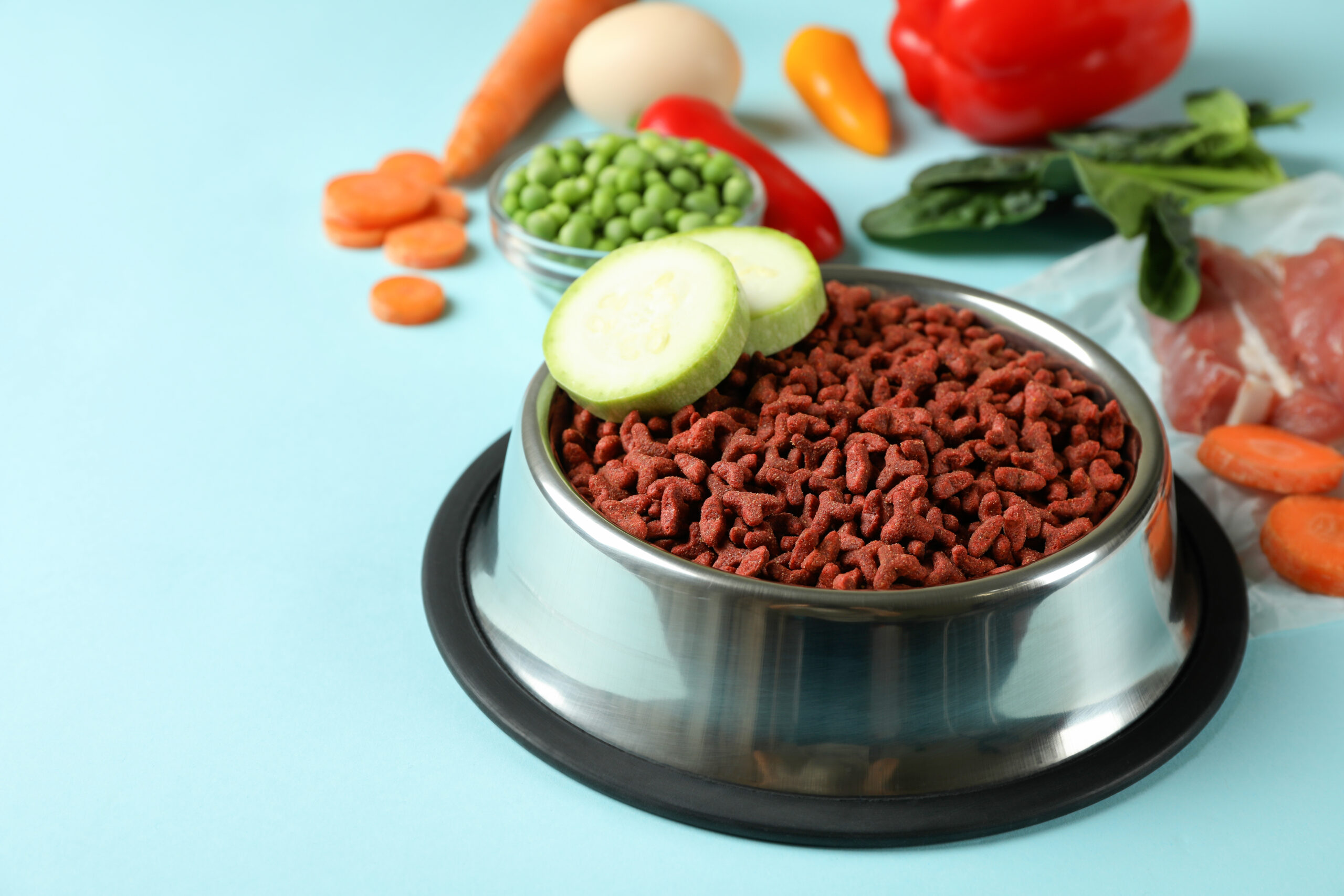
Diet plays a crucial role in maintaining health as dogs age. Senior dogs require nutrient-dense food that supports joint function, digestion, and immune health.
Choose formulas rich in omega-3 fatty acids, antioxidants, and moderate protein. Also, watch portion sizes. Older dogs burn fewer calories, so reducing excess fat intake helps prevent obesity—a major cause of mobility and heart issues.
Transitioning gradually to a senior diet keeps their digestive system stable and ensures they enjoy their meals.
3. Keep Them at a Healthy Weight
Extra pounds put unnecessary strain on joints and organs. Maintaining a healthy weight minimizes the risk of arthritis, diabetes, and cardiovascular disease.
Incorporate light exercise like short walks or swimming, and measure food precisely. If you’re unsure of your dog’s ideal weight, consult your vet for a customized plan.
Remember, keeping your dog lean helps them live longer and move comfortably well into their senior years.
4. Prioritize Dental Health
Dental issues are common but often overlooked in senior pets. Plaque buildup can lead to gum disease, pain, and infections that affect internal organs.
Brush your dog’s teeth regularly using pet-safe toothpaste, and schedule professional cleanings when necessary. Dental treats can also reduce tartar buildup while providing a tasty reward.
Healthy teeth contribute to overall wellness and make mealtime enjoyable.
5. Support Joint Health and Mobility
Aging often brings stiffness and reduced mobility. Support your dog’s joints with glucosamine and chondroitin supplements, orthopedic bedding, and non-slip flooring.
Gentle activities such as short walks, low-impact play, and stretching help maintain flexibility. Avoid overexertion, and adjust your pace to match your dog’s comfort level.
Joint care not only reduces pain but also improves mood and independence.
6. Provide Mental Stimulation Daily
Keeping your dog’s brain active is just as important as physical exercise. Puzzle toys, scent games, and new tricks keep cognitive functions sharp and prevent boredom.
Interactive play strengthens your bond and encourages curiosity. Even a daily change of scenery—like a new walking route—can offer fresh mental stimulation.
Mental activity helps delay cognitive decline and enriches your senior dog’s golden years.
7. Ensure Comfort with Proper Sleep and Rest
Older dogs need extra rest, so provide a quiet, cozy space where they can relax without disturbances. Orthopedic or memory foam beds help cushion joints and regulate body temperature.
Keep their sleeping area clean, warm, and easily accessible—especially if they struggle with stairs. A restful environment contributes greatly to recovery and emotional well-being.
8. Maintain Gentle but Consistent Exercise
Exercise keeps your dog fit, strengthens muscles, and supports joint health. However, intensity should match their age and condition.
Opt for shorter, more frequent walks instead of long runs. Swimming is also an excellent low-impact activity.
Consistency matters more than duration—regular movement keeps circulation strong and prevents stiffness.
9. Stay Alert to Behavioral and Physical Changes
Subtle shifts in your dog’s habits can signal underlying health issues. Watch for:
- Changes in appetite or thirst
- Difficulty getting up or walking
- Increased sleepiness
- Accidents indoors
- Personality or mood changes
Report these signs to your veterinarian immediately. Early detection often leads to easier management and better outcomes.
10. Show Extra Love and Patience
Aging can make dogs more dependent on their owners. Offer extra affection, patience, and reassurance. Speak softly, move gently, and maintain familiar routines.
Spending quality time together—whether cuddling, grooming, or enjoying quiet walks—helps them feel secure and valued.
Your love is the greatest comfort a senior dog can receive. Emotional well-being directly influences physical health, so never underestimate the power of kindness and consistency.
Caring for an aging dog means embracing change and nurturing with understanding. With proper nutrition, preventive care, exercise, and love, senior dogs can continue to thrive well into their golden years.
If you’re seeking compassionate senior dog care in Needham Heights, MA, visit Highland Animal Hospital, your trusted local veterinary team. Schedule a senior wellness exam today to ensure your loyal friend stays active, happy, and pain-free. Every gentle step you take now adds comfort, joy, and precious moments to their life.
FAQs
Q1. When is a dog considered a senior?
Ans. Most dogs are considered senior around age seven, though larger breeds may reach this stage sooner.
Q2. How often should I take my senior dog to the vet?
Ans. Twice-yearly checkups are recommended for early detection of age-related conditions.
Q3. What is the best food for senior dogs?
Ans. Look for senior formulas with balanced protein, healthy fats, antioxidants, and joint-support supplements.
Q4. How can I help my senior dog stay active?
Ans. Encourage daily low-impact activities like gentle walks, swimming, or playtime suited to their comfort level.
Q5. Are supplements necessary for older dogs?
Ans. Joint, omega-3, and antioxidant supplements often benefit senior dogs, but always consult your vet first.
Q6. How do I comfort a senior dog with mobility issues?
Ans. Provide orthopedic beds, ramps, and non-slip flooring to reduce strain and improve movement.