31 Wellesley Ave.
Needham Heights, MA 02494



Essential Nutrition Tips: Best Food to Feed a Senior Dog
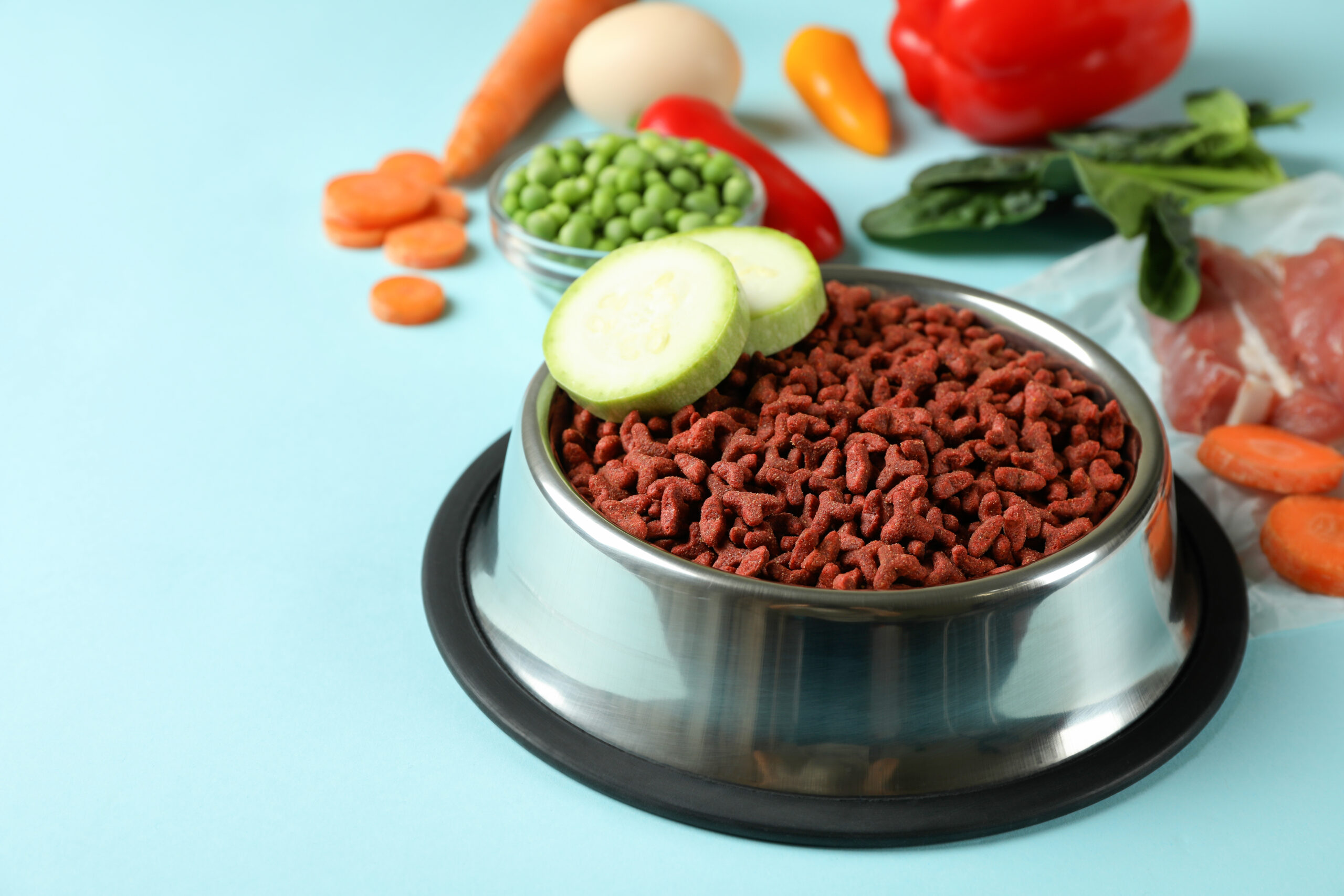
As your dog enters their golden years, their nutritional needs begin to change. Senior dogs, typically those over the age of 7, require a different diet than younger dogs to maintain optimal health, manage weight, and prevent age-related conditions. The right food can help boost energy levels, support joint health, and keep their coat shiny and healthy. In this blog, we’ll share essential nutrition tips and the best food to feed a senior dog, ensuring they continue to enjoy their life with you for many years to come.
Why Senior Dog Nutrition Matters
Aging affects dogs in various ways, from slower metabolisms to joint stiffness and weaker immune systems. Proper nutrition becomes increasingly important as your dog ages, not only to manage these changes but also to prevent future health issues. Providing a balanced diet that meets the needs of senior dogs can help them:
- Maintain a healthy weight
- Improve mobility and reduce pain from arthritis
- Keep their immune system strong
- Support brain health and cognitive function
When selecting food for your senior dog, it’s essential to consider their unique needs. The right balance of protein, fiber, healthy fats, and vitamins can make all the difference in their overall well-being.
Key Nutritional Components for Senior Dogs
When feeding a senior dog, it’s important to focus on the following key nutritional components:
1. Protein
Senior dogs often require higher levels of protein to help maintain muscle mass and energy. As they age, dogs tend to lose muscle tone, and protein helps keep their muscles strong and functioning properly. However, it’s important to choose easily digestible protein sources like chicken, turkey, and fish to ensure your dog can absorb it effectively. Look for food that lists a high-quality animal protein source as the first ingredient.
2. Healthy Fats
While senior dogs need fewer calories, they still require healthy fats for energy, a shiny coat, and to support brain health. Omega-3 fatty acids, commonly found in fish oil, can also help reduce inflammation, which is especially beneficial for dogs suffering from arthritis. Omega-6 fatty acids, found in sources like chicken fat, also promote healthy skin and coat.
3. Fiber
Fiber is crucial for digestion and helps keep senior dogs regular, reducing the risk of constipation. Fiber also helps to keep weight in check, preventing obesity, which is common in aging dogs. Foods containing easily digestible fibers, such as sweet potatoes and pumpkin, are often ideal for senior dogs.
4. Vitamins and Minerals
As dogs age, they may require more specific vitamins and minerals to support their bone, joint, and heart health. Calcium and phosphorus help maintain strong bones, while antioxidants like vitamins C and E support the immune system. Senior dogs may also benefit from added glucosamine and chondroitin, which support joint health and reduce inflammation.
5. Lower Calories
Older dogs are generally less active and may have a slower metabolism, which means they need fewer calories. Overfeeding can lead to obesity, which can worsen health issues like arthritis, heart disease, and diabetes. Choose food that is lower in fat and calories but still provides adequate nutrition for your dog’s needs.
Types of Food for Senior Dogs
There are several types of food available for senior dogs, including dry kibble, wet food, and raw food. Each has its benefits, and the best choice for your dog will depend on their individual preferences and health needs.
1. Dry Kibble
Dry kibble is a popular choice because it’s convenient and has a long shelf life. It can help maintain dental health by reducing plaque and tartar build-up. However, make sure to choose kibble that is specifically formulated for senior dogs. These formulas are typically lower in fat and calories, with added ingredients to support joint health and digestive function.
2. Wet Food
Wet food is often easier for senior dogs to chew and digest, especially if they have dental issues. It also provides additional hydration, which is essential for older dogs who may not drink as much water. Look for high-quality canned food that contains real meat as the first ingredient and avoid foods with excessive fillers or artificial preservatives.
3. Raw Food
Some pet owners opt to feed their senior dogs a raw food diet, believing it offers more natural nutrients and fewer processed ingredients. If you choose raw food, ensure it’s a complete and balanced diet, as feeding raw food without the proper nutrients can lead to deficiencies. Consult with your veterinarian to determine if a raw food diet is right for your senior dog.
Special Considerations for Senior Dog Diets
In addition to choosing the right food, there are other factors to keep in mind when feeding a senior dog:
1. Portion Control
Senior dogs are more prone to obesity, which can aggravate joint pain, diabetes, and heart disease. Be mindful of portion sizes and avoid overfeeding. Measure your dog’s food and stick to the recommended serving sizes based on their weight and activity level.
2. Hydration
Older dogs may not drink as much water, which can lead to dehydration. Make sure fresh water is always available, and consider adding moisture to your dog’s food by mixing in a little water or using wet food. Hydration is especially important for kidney function, which can decline with age.
3. Supplements
Some senior dogs benefit from supplements, especially for joint health, cognitive function, and heart health. Omega-3 fatty acids, glucosamine, and probiotics can all play a role in keeping your senior dog comfortable and healthy. Always consult with your veterinarian before adding supplements to your dog’s diet.
Best Dog Food Brands for Senior Dogs
There are many high-quality dog food brands that cater specifically to the needs of senior dogs. Here are a few options to consider:
- Hill’s Science Diet: Their senior formulas are designed to support joint health, cognitive function, and weight management.
- Royal Canin: They offer breed-specific senior dog foods, which are tailored to meet the unique needs of different dog breeds.
- Wellness CORE: Known for its high-protein formulas, Wellness CORE offers senior dog food options that focus on lean protein and joint health.
- Blue Buffalo Life Protection Formula: This brand includes high-quality protein, whole grains, and added antioxidants to support aging dogs’ immune systems.
In conclusion, proper nutrition plays a critical role in maintaining your senior dog’s health, mobility, and overall quality of life. By providing a balanced diet tailored to their specific needs, you can help your dog live their best life well into their golden years. Whether you opt for kibble, wet food, or raw food, the key is to focus on high-quality ingredients, adequate protein, healthy fats, and controlled calories. For more advice on senior dog care in Needham Heights, MA, or to learn more about our veterinary services, contact Highland Animal Hospital today.
FAQs
Q1. What is the best food for a senior dog?
Ans. The best food for a senior dog is one that contains high-quality protein, healthy fats, fiber, and essential vitamins and minerals. Look for formulas designed specifically for senior dogs.
Q2. How can I help my senior dog maintain a healthy weight?
Ans. Portion control and feeding your dog high-quality, lower-calorie food can help prevent obesity. Regular exercise is also essential for weight management.
Q3. Are there any supplements I should give my senior dog?
Ans. Supplements like glucosamine, chondroitin, and omega-3 fatty acids can support joint health, brain function, and overall well-being. Always consult with your vet before adding supplements to your dog’s diet.
Q4. How often should I feed my senior dog?
Ans. Senior dogs may benefit from being fed smaller, more frequent meals to aid digestion and prevent obesity. Typically, two meals a day are sufficient, but your veterinarian can provide tailored advice.
Q5. Can senior dogs eat the same food as younger dogs?
Ans. No, senior dogs have different nutritional needs. They require a food formula that is lower in fat, higher in fiber, and rich in joint-supporting nutrients like glucosamine.
Q6. How can I tell if my senior dog’s food is right for them?
Ans. If your senior dog is maintaining a healthy weight, has a shiny coat, and is energetic, their food is likely a good match. If you notice weight gain, lethargy, or digestive issues, consult your vet for advice on adjusting their diet.