31 Wellesley Ave.
Needham Heights, MA 02494



What is the Easiest Way to Brush a Dog’s Teeth?
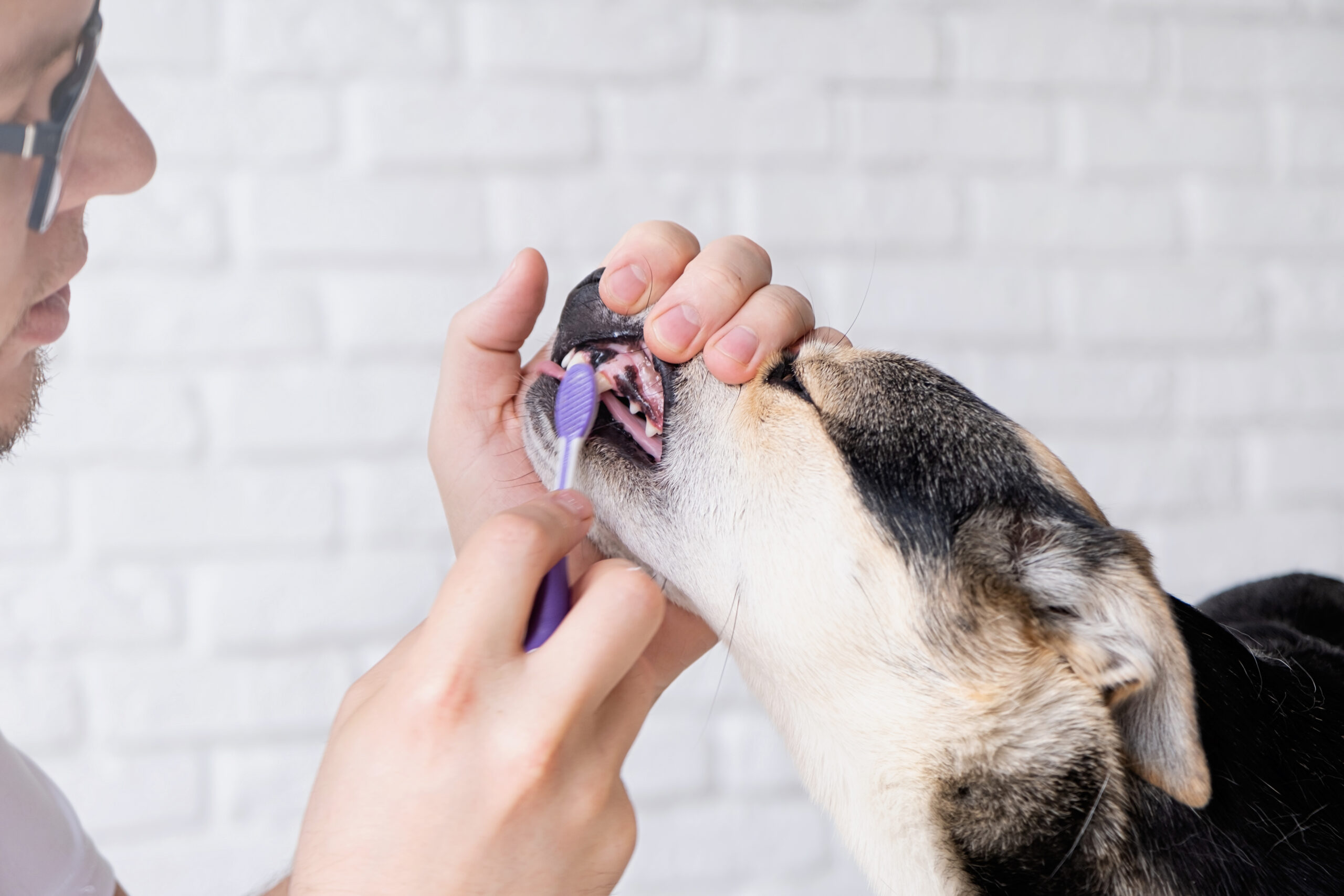
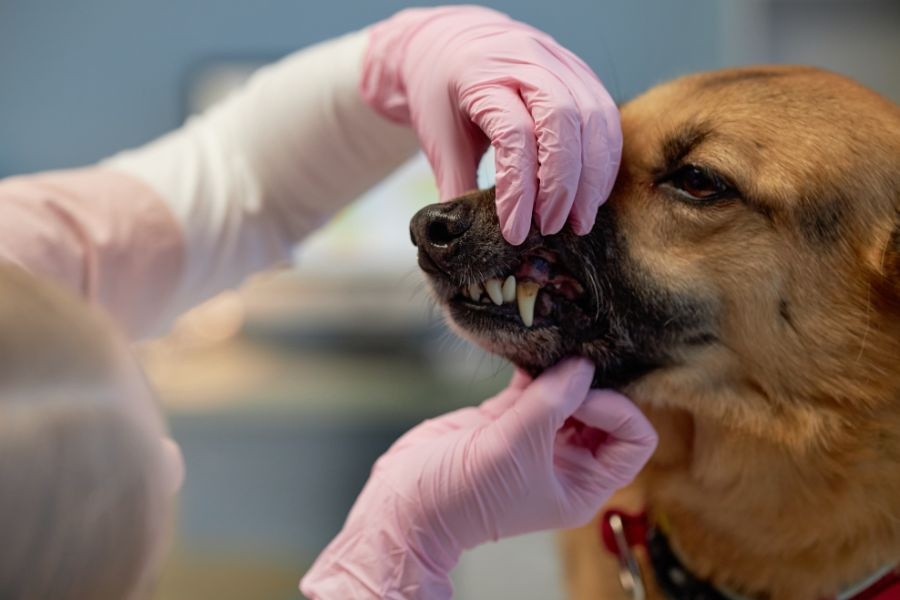
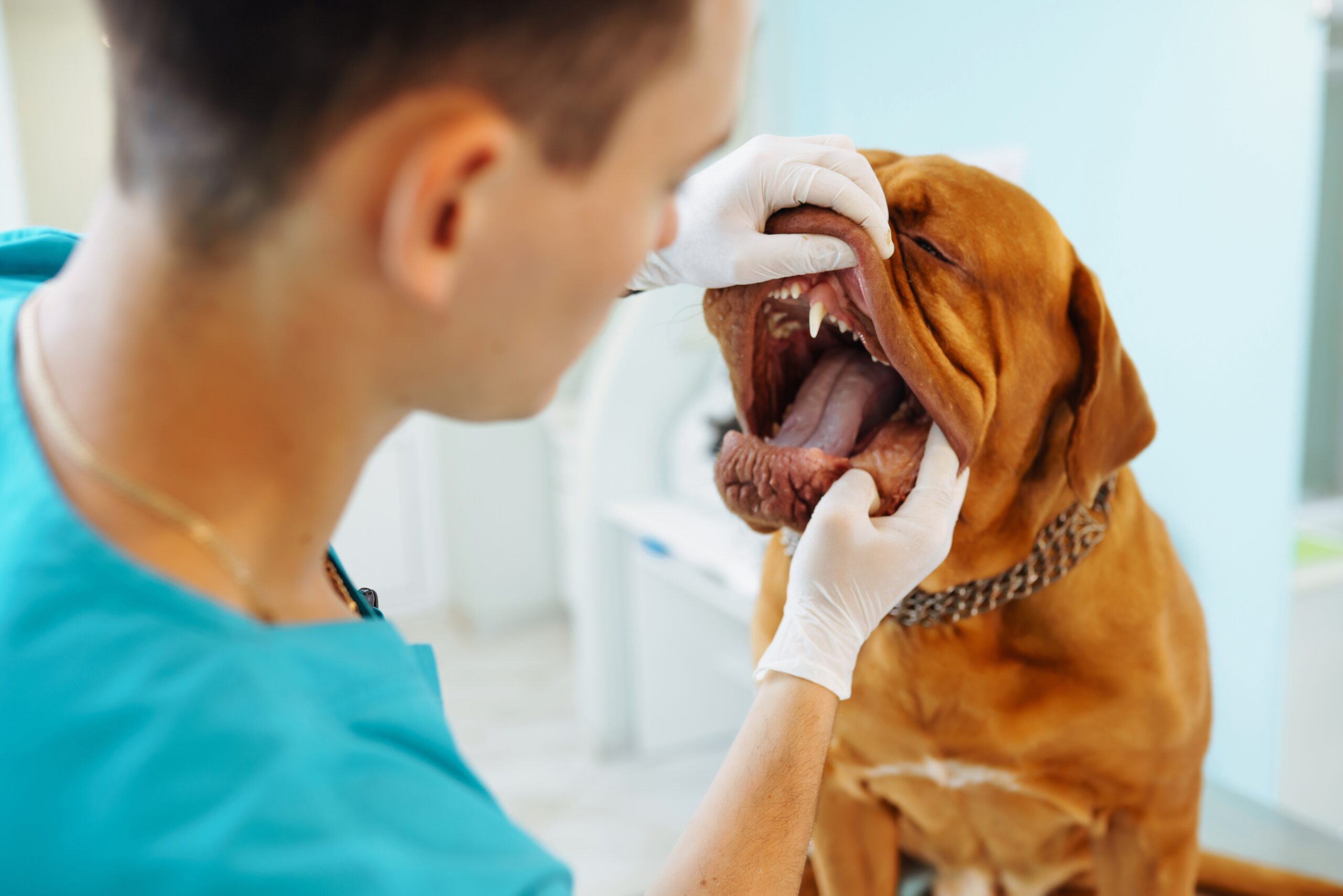
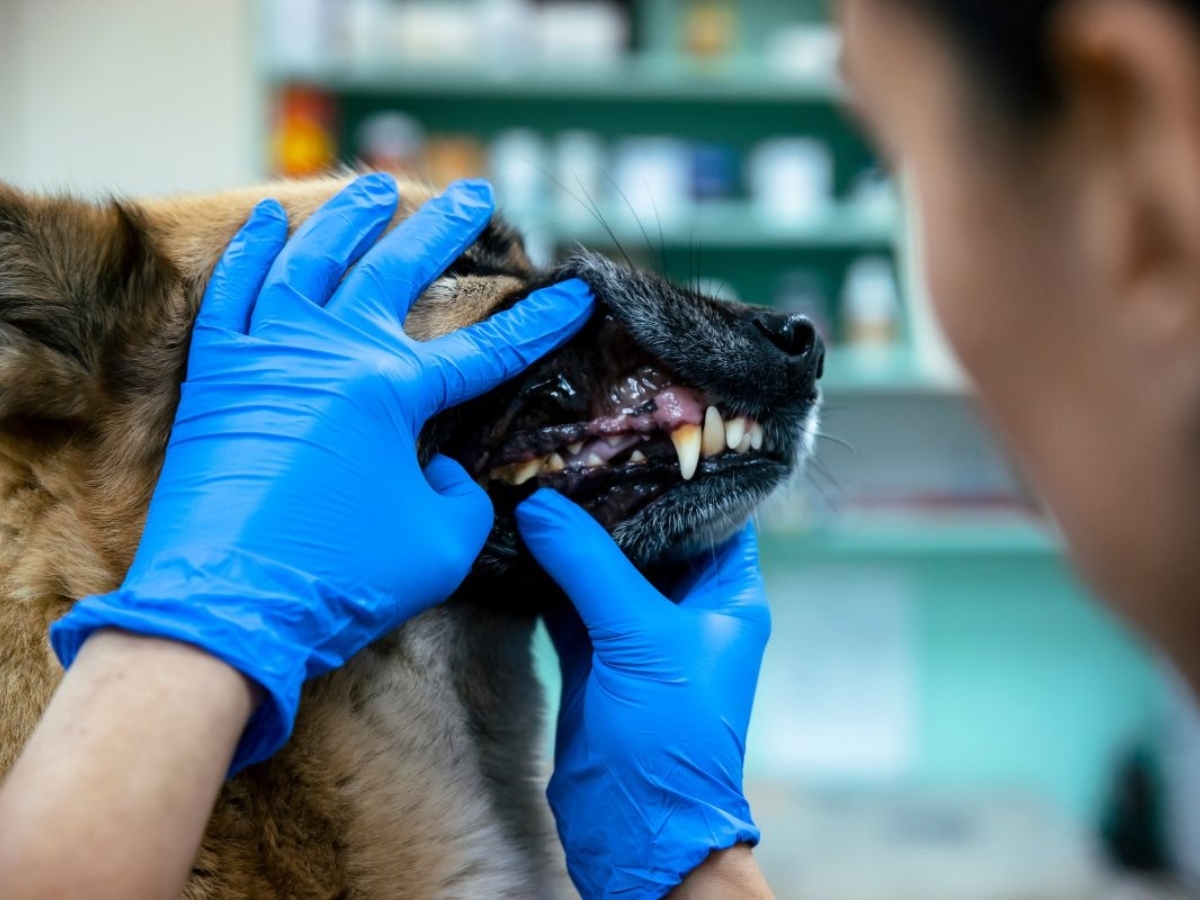
Brushing your dog’s teeth is one of the most important steps in maintaining their overall health. Just like humans, dogs are prone to dental issues such as plaque buildup, gum disease, and bad breath. Regular brushing helps prevent these problems and ensures your dog’s smile remains healthy and bright. While it may seem like a daunting task, with the right approach, it can become a simple, stress-free part of your dog’s grooming routine. In this blog, we’ll walk you through the easiest way to brush a dog’s teeth, offering tips and techniques to make the process hassle-free. This guide is especially useful for dog owners in Needham Heights, MA, looking for an easy way to incorporate dental care into their pet’s routine.
1. Start with the Right Tools
Before you begin brushing, it’s important to have the correct tools. Using the wrong tools can make the process uncomfortable for your dog and less effective in keeping their teeth clean.
- Dog toothbrush: Choose a toothbrush designed specifically for dogs. These brushes typically have softer bristles and are shaped to reach all areas of your dog’s mouth.
- Dog toothpaste: Never use human toothpaste, as it can be toxic to dogs. Instead, choose a dog-safe toothpaste that comes in flavors your dog will enjoy, like poultry or peanut butter.
- Finger brushes and wipes: If your dog is sensitive to a toothbrush, consider using a finger brush or dental wipes. These alternatives can make brushing easier for both you and your dog.
2. Get Your Dog Used to the Process
If your dog isn’t familiar with having their teeth brushed, it’s essential to ease them into the process. Start slowly and build their comfort level gradually.
- Introduce the toothbrush: Gently touch your dog’s mouth with your fingers or a soft cloth to help them get used to the sensation. Let them sniff and taste the toothpaste, so they become familiar with it.
- Positive reinforcement: Reward your dog with treats and praise every time they allow you to handle their mouth. This helps create a positive association with the process, making them more likely to cooperate in the future.
3. Position Your Dog Comfortably
Positioning your dog correctly is key to successful brushing. Choose a spot where both you and your dog can remain calm and relaxed.
- Find a quiet area: Choose a calm, quiet space where your dog feels comfortable, such as their bed or a favorite blanket. This helps minimize distractions during the process.
- Gentle restraint: If your dog tends to squirm, you may need to gently hold them in place or ask a helper to assist. Some owners find it helpful to use a leash for added control.
4. Use the Right Technique
Once your dog is comfortable and relaxed, it’s time to begin brushing. The technique you use is just as important as the tools you’ve selected.
- Apply toothpaste: Place a small amount of dog-safe toothpaste on the brush. Avoid using too much, as a little goes a long way.
- Brush in circular motions: Gently brush the outer surfaces of your dog’s teeth using small, circular motions. Start with the back teeth, where plaque tends to accumulate the most.
- Be gentle with the gums: Don’t forget to brush the gums. Plaque can build up on the gum line as well, so gently brush the gums to help maintain healthy tissue.
- Aim for consistency: Brush for about 30 seconds to 1 minute per side of the mouth, ensuring you cover all areas, but avoid brushing too hard to prevent gum irritation.
5. Make Brushing Part of the Routine
Brushing your dog’s teeth should become a regular part of their grooming schedule. The more often you brush, the more effective it will be at preventing dental problems.
- Brush 2-3 times a week: Aim to brush your dog’s teeth at least two to three times per week. The more often you do it, the better the results.
- Be patient: If your dog is resistant, start with once a week and gradually increase the frequency as they get used to the process.
6. Reward and Reinforce Positive Behavior
After each brushing session, make sure to reward your dog with praise or a small treat. This positive reinforcement helps your dog associate tooth brushing with something enjoyable.
- Create a routine: The more you stick to a consistent schedule, the more your dog will accept and even look forward to their dental care time.
Brushing your dog’s teeth doesn’t have to be a stressful experience. With the right tools, patience, and positive reinforcement, you can make it a simple and rewarding part of your dog’s health routine. If you’re in Needham Heights, MA, and need guidance on dog dental care, book an appointment with Highland Animal Hospital. Our veterinary team is here to help you maintain your dog’s oral health and ensure their teeth stay clean and healthy for years to come.
FAQs
Q1. How often should I brush my dog’s teeth?
Ideally, you should brush your dog’s teeth at least 2-3 times a week. Regular brushing helps prevent plaque buildup and gum disease.
Q2. Can I use human toothpaste on my dog?
No, human toothpaste contains ingredients like fluoride that are harmful to dogs. Always use toothpaste specifically made for dogs.
Q3. What if my dog doesn’t like having their teeth brushed?
Start slowly by getting your dog used to having their mouth handled. Use positive reinforcement and gradually introduce the toothbrush.
Q4. Can I use dental chews instead of brushing?
Dental chews can help reduce plaque, but they should not replace regular brushing. Brushing is still the most effective way to maintain oral health.
Q5. How can I tell if my dog has dental problems?
Signs of dental issues include bad breath, red or swollen gums, difficulty eating, or yellow/brown tartar buildup. Consult your vet if you notice any of these signs.
Q6. Are there alternatives to brushing my dog’s teeth?
Yes, dental wipes, sprays, and chews can help, but brushing remains the most effective way to ensure your dog’s teeth are properly cleaned.