31 Wellesley Ave.
Needham Heights, MA 02494



How to Take Care of a Kitten: Tips Every Pet Owner Should Know
Bringing a kitten into your home is an exciting and joyful experience. These tiny companions quickly become beloved members of the family with their playful personalities and affectionate nature. However, caring for a young cat requires patience, knowledge, and preparation. Proper nutrition, hygiene, and medical care are essential to ensure a kitten grows into a healthy adult cat.
During the first year of life, kittens experience rapid growth and development. Therefore, pet owners must create a safe environment and establish healthy routines early. By understanding their physical and emotional needs, you can help your kitten thrive and feel comfortable in its new home.
In this guide, we will explore practical tips that every pet owner should know when raising a kitten. From feeding and grooming to veterinary visits and socialization, these recommendations will help you provide the best possible start for your new companion. This guide is especially helpful for pet owners living in Needham, MA.
Preparing Your Home for a New Kitten
Before bringing your kitten home, it is important to create a safe and welcoming environment. Kittens are naturally curious, which means they will explore every corner of their surroundings.
Start by removing potential hazards such as small objects, exposed electrical cords, and toxic plants. Additionally, secure cabinets that contain cleaning supplies or chemicals.
Next, prepare a comfortable space where your kitten can rest and adjust to its new home. Essential supplies include:
- A soft and cozy bed
- Food and water bowls
- A litter box
- Scratching posts
- Interactive toys
Providing these items from the beginning helps your kitten feel safe and reduces stress during the transition.
Feeding Your Kitten the Right Diet
Proper nutrition is essential for healthy growth and development. Because kittens grow rapidly, they require more calories and nutrients than adult cats.
High-quality kitten food is specially formulated to support development during the early stages of life. These foods contain the right balance of protein, vitamins, and minerals necessary for strong bones, healthy muscles, and proper organ function.
Most kittens should eat small meals three to four times a day until they reach about six months of age. After that, the feeding schedule may gradually change to two meals daily.
Fresh water should always be available. In addition, avoid feeding human foods that may upset your kitten’s stomach or contain harmful ingredients.
Maintaining a consistent feeding routine is a key part of responsible kitten care and helps your pet develop healthy eating habits.
Litter Box Training Basics
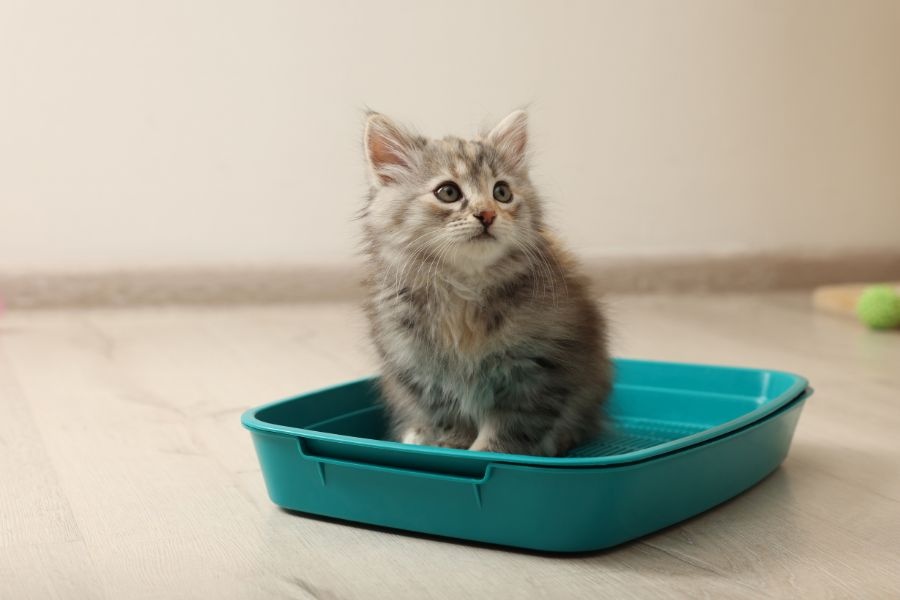
Fortunately, litter box training is usually easy because cats naturally prefer to bury their waste. However, young kittens may still need guidance during the first few days.
Place the litter box in a quiet and accessible location. Avoid placing it near food or water bowls, as cats prefer to keep these areas separate.
To help your kitten learn, gently place it in the litter box after meals and naps. Repetition helps them associate the box with bathroom time.
Cleaning the litter box daily is also important. A clean environment encourages consistent use and prevents unpleasant odors.
With patience and consistency, most kittens quickly adapt to using the litter box.
Grooming and Hygiene
Although cats groom themselves frequently, kittens still benefit from regular grooming sessions. Brushing your kitten’s fur helps remove loose hair and prevents tangles.
Short-haired kittens usually need brushing once a week, while long-haired breeds may require more frequent grooming.
In addition to brushing, check your kitten’s ears, eyes, and nails regularly. Trim nails carefully when they become too long to prevent scratching injuries.
Bathing is rarely necessary unless the kitten becomes extremely dirty. If a bath is required, use a shampoo specifically formulated for cats.
Regular grooming sessions not only keep your kitten clean but also help build trust between you and your pet.
Providing Playtime and Mental Stimulation
Kittens are energetic and playful animals. They need daily exercise and mental stimulation to stay healthy and happy.
Interactive toys encourage physical activity and help develop hunting instincts. Feather wands, small balls, and puzzle toys are excellent options.
Additionally, scratching posts allow kittens to stretch their muscles and maintain healthy claws. Providing appropriate scratching surfaces also protects your furniture.
Spend time playing with your kitten every day. These interactions strengthen your bond and help prevent boredom-related behaviors.
Socialization and Training
Early socialization is essential for raising a confident and well-behaved cat. Kittens who experience positive interactions with people and environments tend to adapt better as adults.
Introduce your kitten gradually to different sounds, rooms, and family members. Keep these experiences calm and positive to avoid overwhelming them.
Training should always use gentle guidance and positive reinforcement. Reward good behavior with treats, praise, or playtime.
Avoid punishment, as it may cause fear or anxiety. Instead, redirect unwanted behaviors toward appropriate activities.
Socialization helps kittens develop trust and feel secure in their surroundings.
Veterinary Care and Vaccinations
Routine veterinary care is crucial during a kitten’s first year of life. Regular checkups allow veterinarians to monitor growth and detect potential health concerns early.
Vaccinations are an important part of preventive care. They protect kittens from serious diseases and help strengthen the immune system.
Veterinary visits may also include:
- Physical examinations
- Parasite prevention treatments
- Nutritional guidance
- Growth monitoring
Scheduling these visits ensures your kitten receives proper medical care throughout its development.
Preventive healthcare is an essential component of responsible kitten care, helping your pet grow into a healthy adult cat.
Understanding Kitten Behavior
Kittens communicate through body language, sounds, and behavior. Learning to recognize these signals helps you respond to their needs effectively.
For example, purring usually indicates comfort and happiness. On the other hand, hiding or hissing may suggest fear or stress.
Kittens also experience bursts of energy known as “zoomies.” During these moments, they may run quickly around the house or jump onto furniture.
This behavior is completely normal and usually occurs during playtime.
Understanding your kitten’s behavior helps create a supportive environment where your pet feels safe and secure.
Establishing a Healthy Routine
Consistency is important when raising a kitten. Establishing daily routines helps your pet feel secure and comfortable.
A typical routine may include:
- Scheduled feeding times
- Daily play sessions
- Litter box cleaning
- Quiet sleeping periods
Predictable routines help kittens adjust more quickly to their environment and reduce stress.
Additionally, consistent habits make training and behavioral development easier for both pets and owners.
Caring for a kitten is a rewarding experience that requires patience, attention, and responsibility. By providing proper nutrition, regular grooming, veterinary care, and a safe environment, you can support your kitten’s healthy growth and development.
Establishing positive routines early helps create a strong bond and ensures your pet feels secure in its new home.
If you are in Needham, MA and need guidance related to kitten care, book an appointment with Highland Animal Hospital. Our veterinary team is dedicated to helping pet owners provide the best possible care for their feline companions.
FAQs
1. How often should I feed my kitten each day?
Young kittens typically need three to four small meals per day because they are growing quickly and require extra energy and nutrients.
2. When should my kitten receive its first vaccinations?
Most kittens receive their first vaccinations at around 6–8 weeks of age, followed by booster shots over the next few months as recommended by a veterinarian.
3. How can I make my home safe for a new kitten?
Remove small objects, secure electrical cords, keep toxic plants out of reach, and provide safe toys and scratching posts to create a kitten-friendly environment.
4. How much sleep does a kitten need?
Kittens sleep a lot during their early development. On average, they may sleep between 16 and 20 hours per day to support healthy growth.
5. When should I start brushing my kitten’s teeth?
You can begin introducing dental care while your kitten is young. Gentle brushing with pet-safe toothpaste helps prevent future dental problems.
6. How do I know if my kitten is healthy?
A healthy kitten is active, curious, eats regularly, maintains a healthy weight, and has bright eyes and a clean coat. Regular veterinary checkups also help monitor overall health.