31 Wellesley Ave.
Needham Heights, MA 02494


Best Food for Senior Cats: Nutritional Guide for Aging Cats
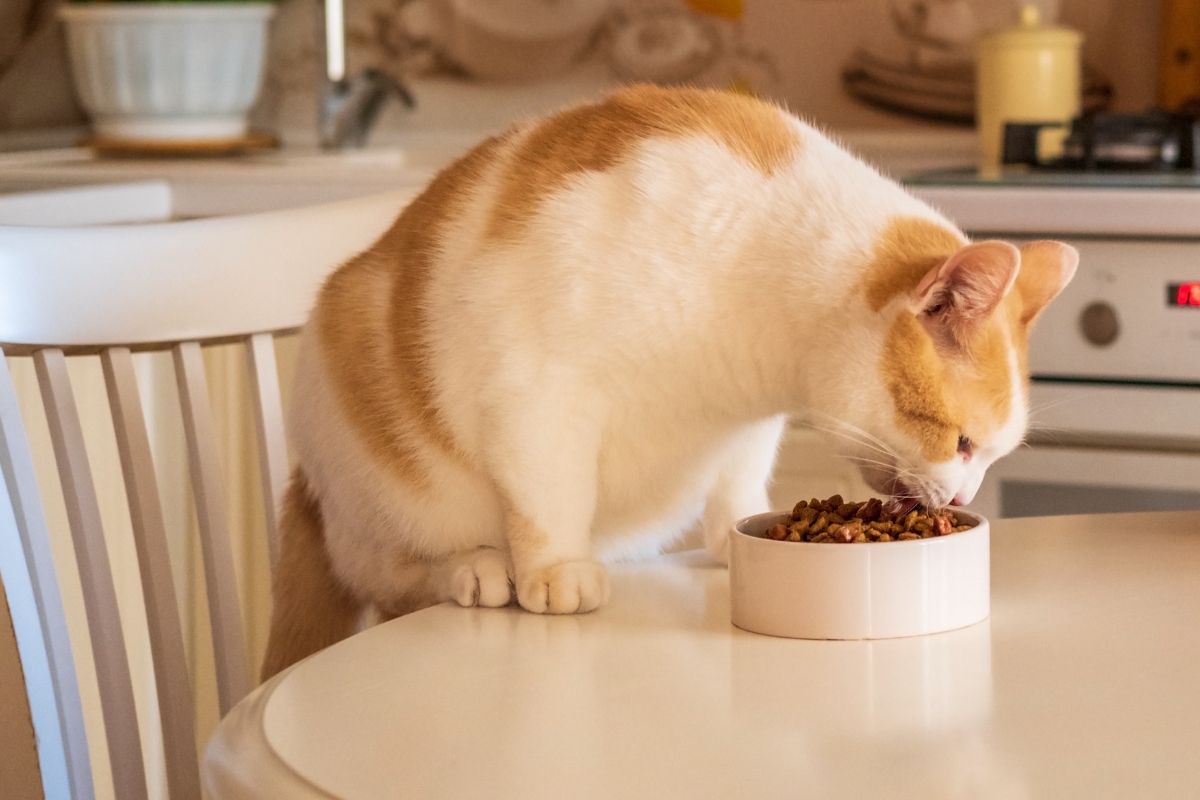
As cats grow older, their nutritional needs begin to change. Just like humans, aging cats experience physical changes that can affect their metabolism, digestion, and overall health. Therefore, choosing the right food becomes increasingly important to maintain their quality of life.
Many pet owners notice changes in their senior cat’s appetite, activity level, or weight. These changes often signal that it may be time to adjust their diet. Feeding appropriate food helps support joint health, maintain a healthy weight, and provide the nutrients necessary for aging bodies.
Proper nutrition can also help manage common age-related conditions such as kidney disease, arthritis, and digestive sensitivities. By understanding what older cats need in their diet, pet owners can ensure their companions remain comfortable and active throughout their golden years.
In this guide, we will explore the best nutritional strategies for aging cats, including the types of food to choose, essential nutrients, and feeding tips. This information is especially helpful for pet owners living in Needham, MA.
Understanding the Nutritional Needs of Senior Cats
Cats typically enter their senior stage around the age of seven to ten years. During this time, their bodies begin to process nutrients differently. As a result, their dietary requirements may change.
For example, older cats often experience a slower metabolism. If they continue eating the same high-calorie diet they consumed as younger cats, they may gain weight. On the other hand, some aging cats lose weight due to reduced appetite or digestive challenges.
A balanced diet tailored for older cats supports muscle maintenance, immune health, and energy levels. Nutritional adjustments are an important part of responsible senior cats care, ensuring pets stay healthy as they age.
Key Nutrients Senior Cats Need
Certain nutrients play a particularly important role in supporting the health of aging cats. When selecting food for your senior cat, look for formulas that include the following essential components.
High-Quality Protein
Protein is essential for maintaining muscle mass in aging cats. As cats grow older, they may lose muscle more easily. A diet rich in high-quality animal protein helps maintain strength and mobility.
However, the protein source should be easily digestible. Foods made with real poultry, fish, or meat often provide the best protein for senior cats.
Healthy Fats for Energy
Healthy fats provide energy and support skin and coat health. Omega-3 and omega-6 fatty acids are especially beneficial because they help reduce inflammation and support joint health.
These nutrients may also benefit brain function in older cats.
Fiber for Digestive Health
Digestive systems can become more sensitive as cats age. Fiber supports healthy digestion and helps prevent constipation, which can be common in older pets.
Balanced fiber levels help regulate bowel movements and improve nutrient absorption.
Vitamins and Antioxidants
Antioxidants help protect cells from damage caused by aging. Vitamins such as vitamin E and vitamin C support immune function and overall health.
In addition, nutrients like taurine remain essential for maintaining heart and eye health.
Wet Food vs. Dry Food for Senior Cats
Pet owners often wonder whether wet or dry food is better for older cats. Both options can support a healthy diet, but each offers different advantages.
Wet Food Benefits
Wet food contains higher moisture content, which helps support hydration. This can be especially beneficial for senior cats that may not drink enough water.
Additionally, wet food tends to be softer, making it easier for cats with dental issues to chew.
Dry Food Benefits
Dry food can help maintain dental health by reducing plaque buildup during chewing. It is also convenient for pet owners and can be left out longer without spoiling.
Many veterinarians recommend combining both wet and dry food to create a balanced diet.
Managing Weight in Senior Cats
Maintaining a healthy weight is important for aging cats. Excess weight places additional stress on joints and may contribute to chronic diseases such as diabetes.
Conversely, sudden weight loss can signal health problems that require veterinary attention.
Regularly monitoring your cat’s weight helps ensure they remain within a healthy range. If changes occur, adjusting portion sizes or switching food types may help.
Balanced feeding practices are another essential aspect of proper senior cats care, helping pets maintain strength and mobility.
Special Diets for Common Senior Cat Health Issues
Older cats may develop certain medical conditions that require dietary adjustments.
Kidney Health
Kidney disease is common in senior cats. Specialized diets often contain controlled phosphorus levels and adjusted protein content to support kidney function.
Joint Support
Cats with arthritis may benefit from diets containing omega-3 fatty acids and joint-supporting nutrients such as glucosamine.
Digestive Sensitivity
Some aging cats experience sensitive stomachs. Limited-ingredient diets or easily digestible foods can help reduce digestive discomfort.
Consulting a veterinarian before making dietary changes ensures your cat receives the most appropriate nutrition.
Feeding Tips for Senior Cats
Creating a consistent feeding routine can improve digestion and appetite in aging cats.
Consider the following tips:
- Feed smaller meals throughout the day
- Monitor appetite and water intake
- Choose high-quality senior cat formulas
- Avoid sudden changes in diet
- Provide fresh water at all times
Gradually transitioning to new foods helps prevent digestive upset. Mixing a small amount of the new food with the current diet allows your cat to adjust comfortably.
Signs Your Senior Cat May Need a Diet Change
As cats age, their dietary needs may evolve. Pet owners should watch for signs that indicate a need for nutritional adjustments.
Common signs include:
- Weight gain or loss
- Reduced appetite
- Digestive problems
- Decreased activity levels
- Changes in coat condition
If these changes occur, a veterinarian can evaluate your cat’s health and recommend appropriate dietary modifications.
The Importance of Regular Veterinary Checkups
Nutrition plays a major role in maintaining the health of senior cats, but veterinary monitoring is equally important.
Routine wellness visits allow veterinarians to assess weight, dental health, and overall condition. They may also recommend blood tests or screenings to detect age-related diseases early.
By combining proper nutrition with professional veterinary care, pet owners can help their cats enjoy comfortable and active senior years.
Providing the right nutrition is one of the most important ways to support the health of aging cats. A balanced diet rich in high-quality protein, healthy fats, and essential nutrients helps maintain muscle strength, support digestion, and improve overall well-being.
In addition to proper feeding, regular veterinary checkups help detect health concerns early and ensure your cat receives the care they need.
If you are in Needham, MA and need guidance related to senior cats care, book an appointment with Highland Animal Hospital. Our veterinary team is dedicated to helping pet owners provide the best nutrition and care for their aging feline companions.
FAQs
1. What is the best type of food for senior cats?
Senior cats benefit from high-quality food that contains easily digestible protein, balanced fats, and essential vitamins. Special senior formulas are designed to support aging bodies and maintain overall health.
2. How often should senior cats be fed?
Most senior cats should be fed two to three smaller meals per day. This helps maintain energy levels and supports better digestion.
3. Do senior cats need more water in their diet?
Yes. Older cats can be more prone to dehydration. Feeding wet food or ensuring fresh water is always available helps maintain proper hydration.
4. Can senior cats continue eating regular adult cat food?
Some senior cats may continue eating adult food, but many benefit from diets specifically designed for older cats because they contain nutrients tailored for aging health needs.
5. What nutrients are most important for senior cats?
Important nutrients include high-quality protein for muscle maintenance, omega fatty acids for joint health, fiber for digestion, and antioxidants for immune support.
6. When should I consult a veterinarian about my senior cat’s diet?
If your cat experiences weight loss, reduced appetite, digestive issues, or decreased activity, it is best to consult a veterinarian to evaluate dietary needs and overall health.