31 Wellesley Ave.
Needham Heights, MA 02494



How Dental Care Keeps Your Pet Healthy and Happy
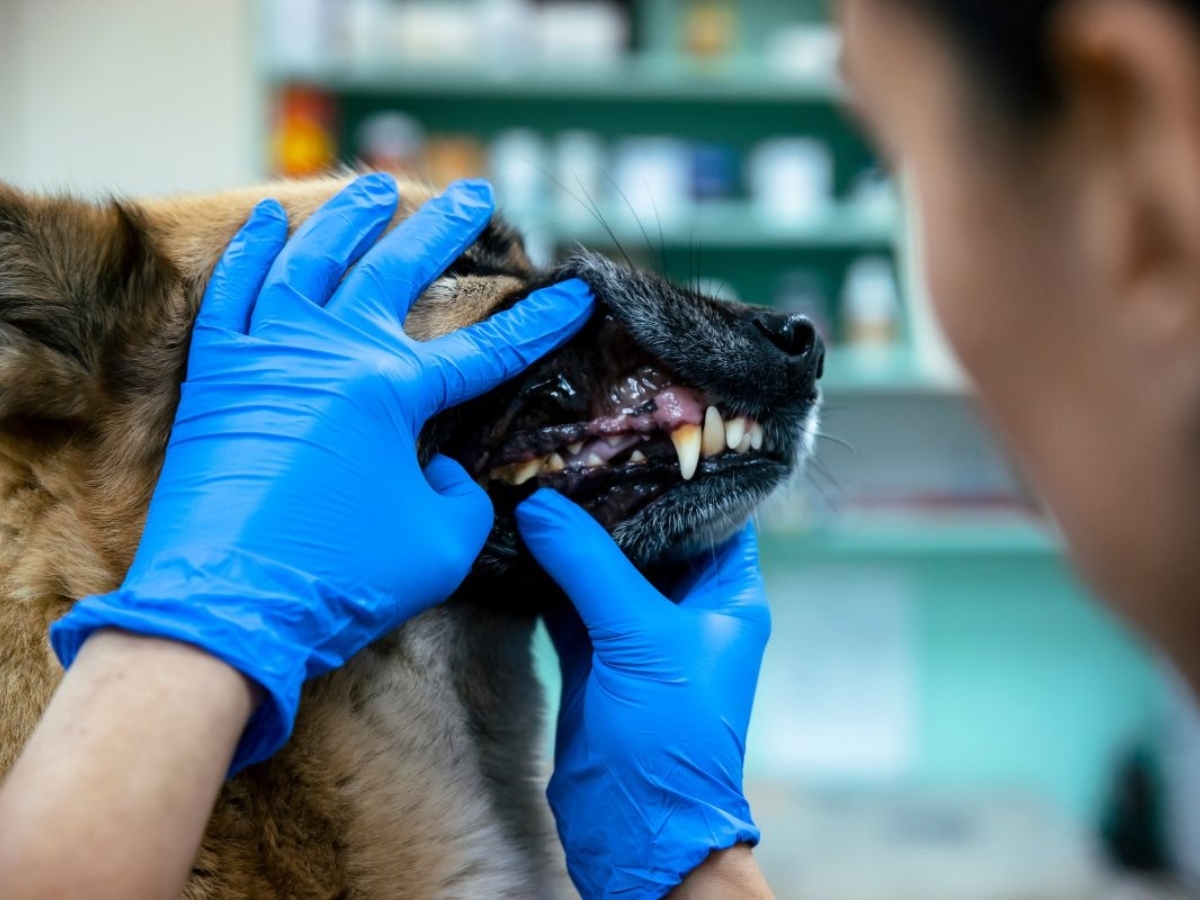
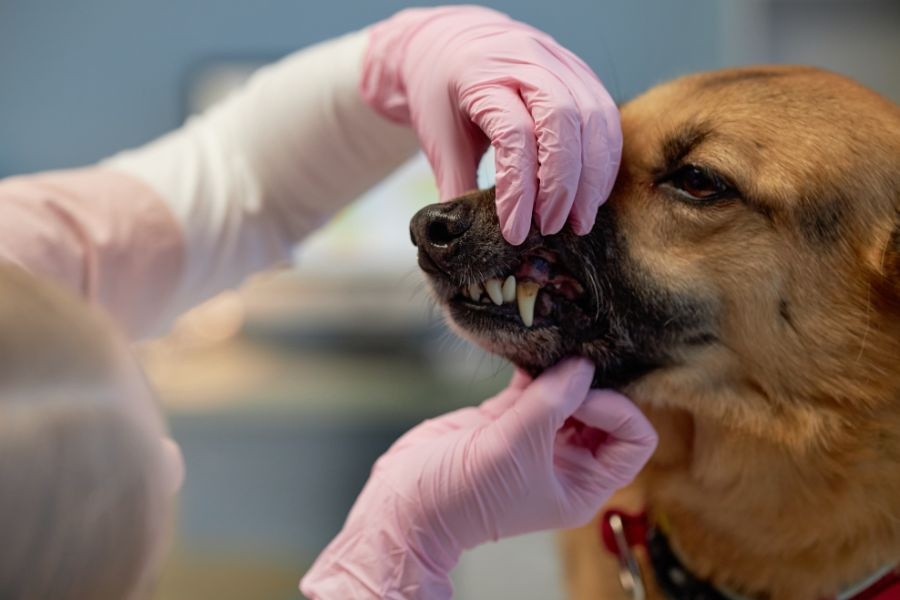
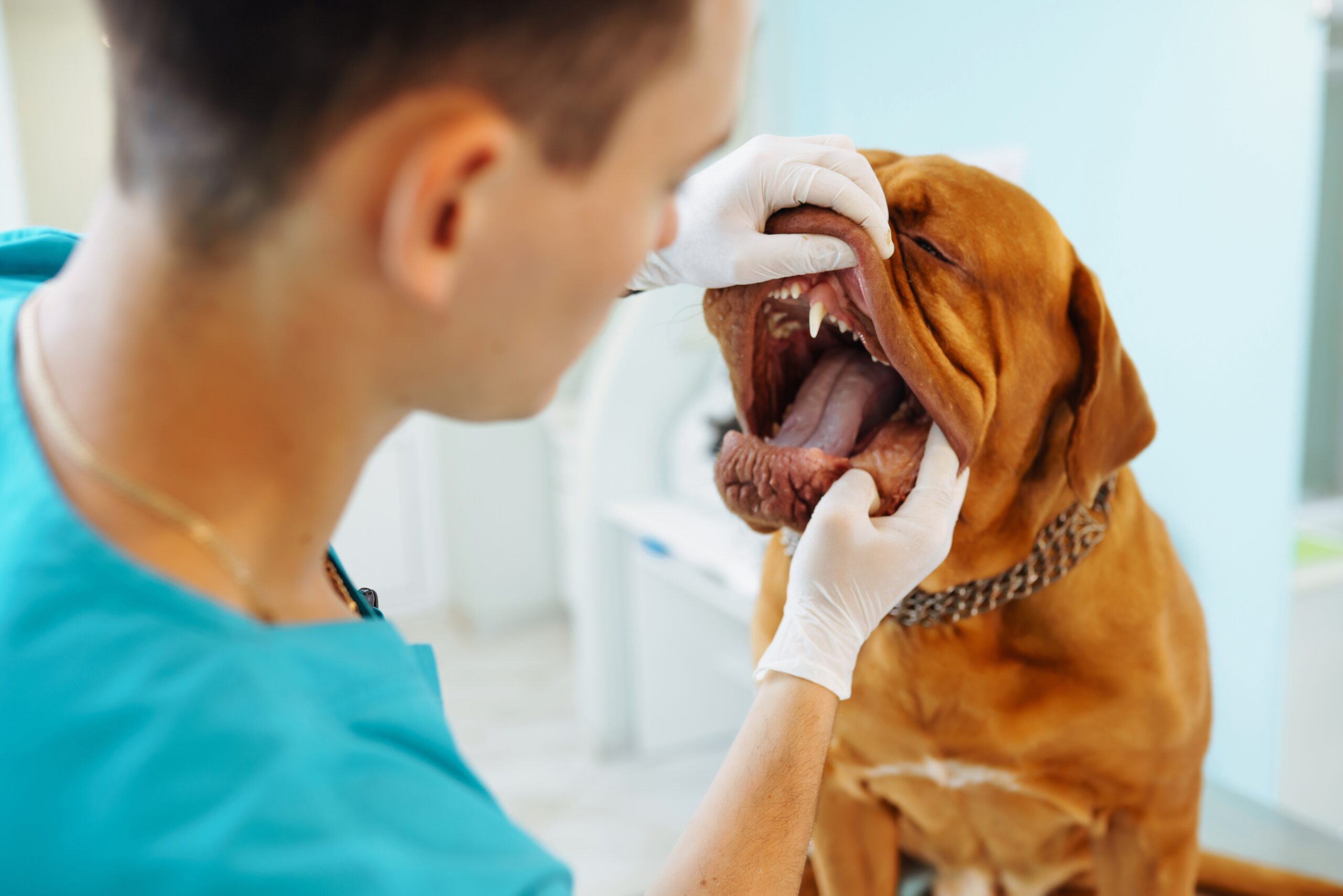
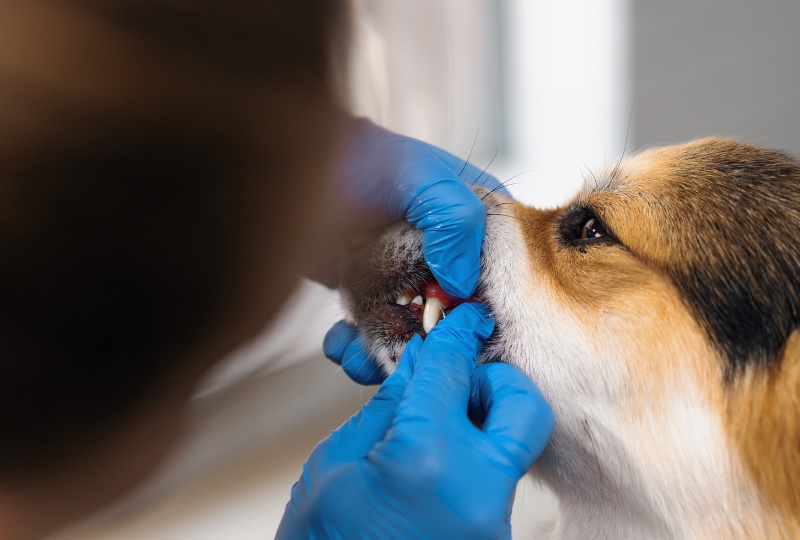
When it comes to your pet’s overall health, dental care often gets overlooked. However, your pet’s oral hygiene plays a vital role in their well-being. Just like humans, pets can suffer from plaque buildup, gum disease, and tooth decay. These issues not only cause discomfort but can also lead to serious health complications if left untreated.
At Highland Animal Hospital, we believe that maintaining your pet’s dental health is essential for a long, happy life. By understanding the importance of dental care and taking proactive steps, you can protect your furry companion from unnecessary pain and illness. This blog is especially helpful for pet owners in Needham Heights, MA.
Why Dental Care Matters for Pets
First and foremost, dental health affects more than just your pet’s mouth. Poor oral hygiene can lead to bacteria entering the bloodstream. As a result, vital organs such as the heart, liver, and kidneys may become compromised.
Moreover, untreated dental issues can cause:
- Persistent bad breath
- Pain while eating
- Tooth loss
- Behavioral changes
Therefore, routine dental care is not optional—it is essential.
Common Dental Problems in Pets
Understanding common dental conditions helps you act early. Here are some of the most frequent issues:
1. Plaque and Tartar Buildup
Plaque forms when food particles mix with bacteria. If not removed, it hardens into tartar, which can only be removed professionally.
2. Gingivitis
This is the early stage of gum disease. Symptoms include redness, swelling, and bleeding gums.
3. Periodontal Disease
If gingivitis progresses, it can damage the tissues and bones supporting the teeth. Consequently, this can lead to tooth loss.
4. Broken or Loose Teeth
Pets often chew on hard objects. Unfortunately, this can result in fractured teeth that require immediate attention.
Signs Your Pet Needs Dental Care
You should never ignore the warning signs. Early detection makes treatment easier and more effective.
Watch for the following symptoms:
- Bad breath
- Difficulty chewing
- Drooling excessively
- Swollen or bleeding gums
- Loose or missing teeth
- Reduced appetite
If you notice any of these signs, consult your veterinarian promptly.
Benefits of Regular Dental Care
Consistent dental care offers numerous advantages. Not only does it prevent disease, but it also improves your pet’s quality of life.
Improved Overall Health
Healthy teeth and gums reduce the risk of infections spreading to vital organs.
Better Nutrition
Pain-free chewing allows your pet to eat properly and absorb nutrients effectively.
Fresh Breath
Regular cleaning eliminates odor-causing bacteria.
Longer Lifespan
Preventive care helps avoid serious health issues, ultimately extending your pet’s life.
At-Home Dental Care Tips
While professional care is crucial, you can also take steps at home. These habits make a significant difference over time.
Brush Your Pet’s Teeth
Ideally, you should brush your pet’s teeth daily. Use a pet-safe toothpaste and a soft-bristled brush.
Provide Dental Chews
Dental chews help reduce plaque and keep teeth clean. However, always choose products recommended by your veterinarian.
Use Dental Toys
Chew toys not only entertain your pet but also promote oral health.
Offer a Balanced Diet
Certain diets are formulated to support dental health. Ask your vet for recommendations.
Professional Dental Care: What to Expect
Even with excellent at-home care, professional cleaning remains necessary. At Highland Animal Hospital, we provide comprehensive dental services to ensure your pet’s oral health is in top condition.
During a professional dental visit:
- Your pet undergoes a thorough oral examination
- Plaque and tartar are removed using specialized tools
- Teeth are polished to prevent future buildup
- Any underlying issues are identified and treated
This process is safe and highly effective.
In fact, scheduling a pet dental service regularly ensures that minor issues do not turn into major health concerns. Additionally, a professional pet dental service helps maintain your pet’s comfort and overall well-being.
How Often Should Your Pet Get Dental Checkups?
The frequency depends on your pet’s age, breed, and health status. Generally:
- Annual dental exams are recommended for most pets
- Senior pets may require more frequent visits
- Small breeds are more prone to dental issues and need closer monitoring
Your veterinarian will guide you on the best schedule.
Preventing Dental Problems Before They Start
Prevention is always better than cure. By adopting a proactive approach, you can avoid costly and painful treatments.
Here’s how:
- Start dental care early in your pet’s life
- Maintain a consistent routine
- Schedule regular vet visits
- Monitor your pet’s eating habits and behavior
These steps significantly reduce the risk of dental disease.
Why Choose Highland Animal Hospital?
Choosing the right veterinary clinic makes all the difference. At Highland Animal Hospital, we combine expertise with compassionate care.
Our team:
- Uses advanced dental technology
- Provides personalized treatment plans
- Focuses on preventive care
- Ensures a stress-free experience for your pet
We are committed to helping your pet live a healthier, happier life.
Dental care is a crucial part of your pet’s overall health. By maintaining proper oral hygiene, you can prevent disease, reduce pain, and improve your pet’s quality of life.
If you are in Needham Heights, MA and looking for a pet dental care near you, book an appointment with Highland Animal Hospital. Our veterinary team is dedicated to providing exceptional dental care and ensuring your pet stays healthy and happy for years to come.
FAQs
1. Why is dental care important for pets?
Dental care helps prevent plaque buildup, gum disease, and infections that can affect your pet’s overall health, including vital organs like the heart and kidneys.
2. How do I know if my pet has dental problems?
Common signs include bad breath, swollen gums, difficulty eating, excessive drooling, and loose teeth. If you notice these symptoms, consult your veterinarian.
3. How often should pets receive professional dental cleanings?
Most pets should have a dental checkup at least once a year. However, some may need more frequent cleanings depending on their age and breed.
4. Can I clean my pet’s teeth at home?
Yes, regular brushing with pet-safe toothpaste, along with dental chews and toys, can help maintain oral hygiene between veterinary visits.
5. Are dental diseases in pets preventable?
Yes, with consistent oral care, proper diet, and regular veterinary checkups, many dental problems can be prevented or minimized.
6. What happens during a professional pet dental cleaning?
A veterinarian examines your pet’s mouth, removes plaque and tartar, polishes the teeth, and addresses any underlying dental issues to ensure optimal oral health.