31 Wellesley Ave.
Needham Heights, MA 02494



Hidden Health Issues Veterinarians Commonly Detect During Early Kitten Checkups
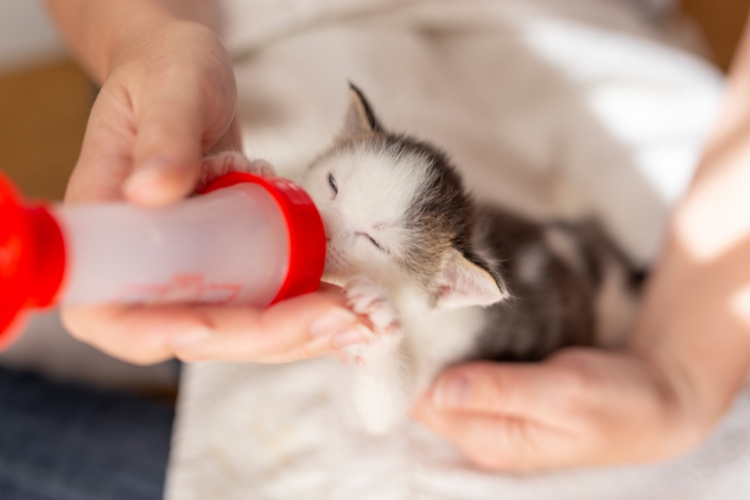
Bringing a new kitten home is one of life’s most joyful experiences, but those early weeks are also one of the most critical windows for protecting your pet’s long-term health. Early kitten checkups give veterinarians the opportunity to catch hidden health issues that show no outward symptoms yet can have a major impact on your kitten’s development if left unaddressed. At Highland Animal Hospital in Needham Heights, we see firsthand how preventive care in those first few months can set a kitten up for a lifetime of good health.
Why Early Kitten Checkups Matter More Than Most Owners Expect
Many new kitten owners assume that if their pet looks healthy and is eating well, everything must be fine. Unfortunately, some of the most common health conditions affecting kittens have no obvious early symptoms. This is precisely why veterinarians recommend scheduling the first wellness exam within the first week or two of bringing your kitten home: ideally before four weeks of age for newborns, and no later than eight weeks for newly adopted kittens.
During early kitten checkups, veterinarians conduct a full head-to-tail physical examination that evaluates the eyes, ears, mouth, skin, heart, lungs, abdomen, and limbs. What they find in this examination often surprises new pet owners. Conditions that appear invisible from the outside can be identified through careful clinical assessment, and catching them early dramatically improves outcomes.
Preventive care at this stage is not just about vaccinations and deworming (although both are essential). It is about creating a complete health baseline for your kitten, identifying anything that requires early intervention, and giving you the knowledge you need to be a proactive, informed pet owner.
Common Hidden Conditions Detected During Early Exams
Heart murmurs and congenital heart defects are among the most significant findings veterinarians encounter during kitten exams. Many kittens are born with structural heart abnormalities that are completely undetectable without a stethoscope. Some murmurs resolve on their own as the kitten grows; others indicate a condition requiring monitoring or treatment. Early detection gives your veterinary team time to determine which category applies and plan accordingly.
Intestinal parasites are another extremely common finding: one that often catches owners off guard. Kittens can carry roundworms, hookworms, and other parasites acquired from their mother or environment without showing any visible signs of illness. A fecal examination during early kitten checkups identifies these parasites quickly so that appropriate treatment can begin before they affect your kitten’s nutritional absorption and growth.
Upper respiratory infections are widespread in kittens, particularly those from shelters, rescues, or multi-cat environments. Even kittens who appear bright and playful can harbor infections in their nasal passages or eyes. Left untreated, these infections can worsen significantly; making early diagnosis and treatment a straightforward but important part of preventive care.
Hernia and developmental abnormalities are also detectable during physical examination. Umbilical hernias, cleft palates, and limb deformities may not be apparent to owners but are identifiable during a thorough exam. Early awareness allows for informed decisions about timing of any necessary procedures.
The Role of Diagnostics in Early Kitten Care
Beyond the physical exam, early kitten checkups often include diagnostic testing that provides a deeper look at your pet’s internal health. Fecal testing, as mentioned, is a standard component. In kittens with unknown backgrounds, veterinarians may also recommend testing for feline leukemia virus (FeLV) and feline immunodeficiency virus (FIV): two serious viral infections that can be present at birth or acquired early in life with no immediate outward signs.
Blood panels are not always required for otherwise healthy kittens, but they become particularly valuable when a kitten appears underweight, lethargic, or has ongoing digestive issues. Early bloodwork can reveal liver shunts, anemia, or other internal conditions that would otherwise go undetected for months.
In Needham Heights, where many pet owners adopt kittens from a variety of sources, diagnostic care during those first few visits helps ensure that no underlying condition slips through the cracks. The goal is not to alarm new owners; it is to give your kitten the best possible start by knowing exactly what you are working with.
What to Expect at Your Kitten’s First Visit
Walking into your first kitten appointment feeling prepared makes the experience better for both you and your pet. Bring any records that came with your kitten: prior vaccinations, deworming history, or documentation from a rescue or breeder. If your kitten has not been dewormed, your veterinarian will address that at the visit.
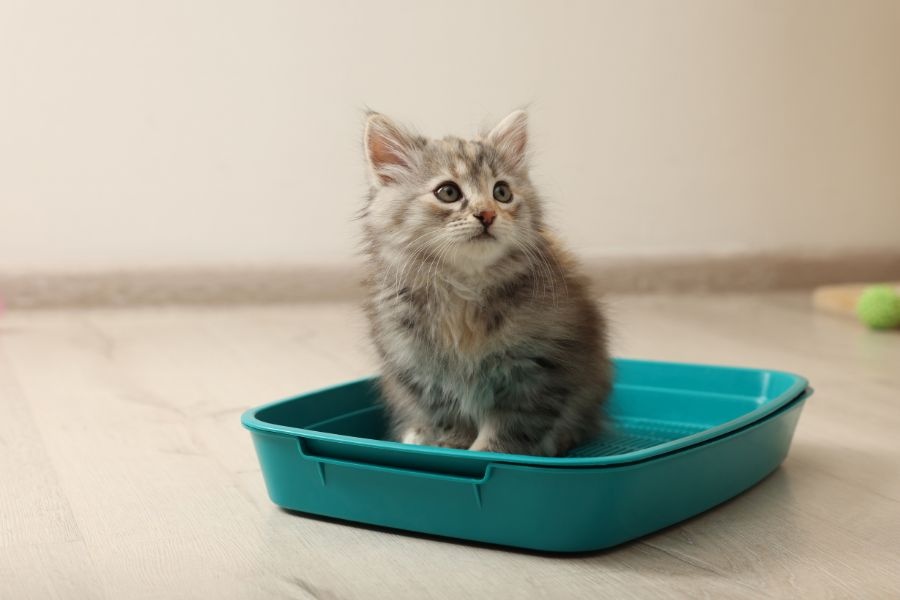
Expect your veterinarian to walk you through a vaccination schedule, discuss appropriate nutrition, cover litter box training and socialization basics, and answer any questions you have about your kitten’s development. Early kitten checkups are as much about educating the pet owner as they are about examining the pet; no question is too small to ask.
Plan on returning for follow-up visits at regular intervals through the first several months of your kitten’s life. Core vaccines are given in a series, and each return visit is another opportunity for your veterinarian to monitor your kitten’s growth, catch any new developments, and build a relationship with your pet before illness or emergency ever enters the picture.
Conclusion: Early Diagnosis Is the Greatest Gift You Can Give Your Kitten
The conditions veterinarians detect during early kitten checkups are far more treatable, and in many cases fully resolvable, when caught in those first weeks and months. Waiting until a problem becomes obvious means waiting until it has already had time to grow. Preventive care at this stage is not about expecting the worst; it is about giving your kitten every advantage from day one.
At Highland Animal Hospital in Needham Heights, our veterinarians are experienced in feline wellness and dedicated to helping new kitten owners navigate those early months with confidence. Schedule your kitten’s first wellness appointment today and give your new companion the strong, healthy start they deserve.
At Highland Animal Hospital, we are committed to providing thorough, compassionate care for kittens and the families who love them. Book your kitten’s first wellness visit today and let our team give your pet the foundation they need for a long, healthy life.
Frequently Asked Questions
Q1. When should I schedule my kitten’s first veterinary visit?
Ideally, your kitten’s first visit should happen within the first one to two weeks of bringing them home. For kittens under eight weeks old, earlier is always better. Early kitten checkups allow veterinarians to establish a health baseline and catch any hidden conditions before they have a chance to develop further.
Q2. What vaccinations does my kitten need at the first visit?
Core vaccines for kittens typically include the FVRCP combination vaccine (protecting against feline viral rhinotracheitis, calicivirus, and panleukopenia) and rabies. Your veterinarian at Highland Animal Hospital will recommend a vaccination schedule based on your kitten’s age, health status, and lifestyle.
Q3. Can a healthy-looking kitten really have hidden health issues?
Yes, and this is one of the most important reasons early kitten checkups exist. Conditions like heart murmurs, intestinal parasites, viral infections, and developmental abnormalities often have no visible symptoms in the early stages. A thorough physical exam and targeted diagnostics are the only reliable way to identify them.
Q4. How many kitten checkups will my pet need in the first year?
Most kittens require visits at approximately eight, twelve, and sixteen weeks of age for their vaccine series, followed by a visit around six months for spay or neuter evaluation, and then a one-year wellness exam. Your veterinarian will tailor the schedule to your kitten’s specific needs.
Q5. What is the difference between early kitten checkups and regular annual wellness visits?
Early kitten checkups are more frequent and more diagnostic in nature: they focus on identifying developmental issues, completing the vaccine series, and building a health baseline. Annual wellness visits for adult cats focus on maintenance, preventive care updates, and monitoring for age-related changes. Both are essential components of responsible pet ownership.