31 Wellesley Ave.
Needham Heights, MA 02494


How Veterinarians Create Individualized Surgical Plans for Cats

Every cat has unique health needs, habits, and medical history, which means a surgical procedure should never be planned using a one-size-fits-all approach. Before recommending an operation, veterinarians consider several factors, including the cat’s age, current condition, diagnostic findings, and expected recovery needs. This careful preparation helps the veterinary team choose an appropriate approach and identify concerns that could affect the procedure.
For cat owners in Needham, understanding how veterinarians prepare for cat surgery can make the process feel less overwhelming. Whether a cat needs dental treatment, mass removal, or another operation, an individualized plan helps guide decisions before, during, and after surgery. Highland Animal Hospital recognizes the importance of considering each patient’s needs when discussing veterinary surgery and planning appropriate care.
Why Does Every Cat Need an Individualized Surgical Plan?
Cats can respond differently to the same procedure because their bodies, medical histories, and health conditions vary. A young, healthy cat may need a different preparation plan from a senior cat with kidney disease or a cat receiving long-term medication.
An individualized surgical plan brings together the information needed to make decisions about the procedure, anesthesia, pain control, and recovery. It also helps the veterinary team prepare for possible complications and determine whether additional testing or treatment is appropriate.
The plan considers both the benefits of surgery and the potential risks. Veterinarians may discuss alternative treatments, the consequences of delaying an operation, and the expected outcome. This process helps owners understand why a particular approach is recommended for their cat.
Evaluating the Cat’s Health and Medical History
The first step in surgical planning is understanding the patient’s overall health. A veterinarian typically reviews the cat’s medical history and performs a physical examination before deciding which additional evaluations may be necessary.
The discussion may cover previous illnesses, earlier surgeries, reactions to anesthesia, allergies, current medications, and recent changes in appetite or behavior. Even details that appear unrelated to the planned procedure can influence treatment decisions.
For example, a cat with a history of kidney disease may need closer attention to hydration, medication selection, and fluid management. A cat with a previous anesthesia complication may require a modified anesthetic approach or additional monitoring.
Owners can support this process by bringing medical records and an accurate list of medications and supplements. Reporting symptoms such as unusual thirst, weight loss, coughing, reduced appetite, or changes in urination can also help the veterinarian identify concerns before surgery.
Considering Age, Size, and Body Condition
Age is an important consideration, but it does not determine whether a cat can undergo surgery. Veterinarians assess the individual animal rather than relying on age alone.
Kittens may need special attention to body temperature, medication dosing, and nutritional requirements. Their smaller size and developing physiology can influence how the surgical and anesthesia plans are designed.
Adult cats may tolerate many procedures well when they are healthy, but weight, previous illnesses, and existing conditions still matter. Cats carrying excess weight may have additional anesthesia or recovery considerations, while underweight cats may need evaluation for an underlying problem.
Senior cats may have changes in kidney function, heart health, blood pressure, or mobility. The veterinarian may recommend additional testing or adapt the recovery plan to accommodate these needs. For example, an older cat with arthritis may benefit from a quiet recovery area with easy access to food, water, and a litter box.
The purpose of evaluating these factors is to match the plan to the cat’s physical condition and individual requirements.
Using Diagnostic Tests to Guide Surgical Decisions
A physical examination provides valuable information, but it cannot reveal every underlying health problem. Depending on the cat’s condition and the proposed operation, the veterinarian may recommend pre-surgical testing.
Bloodwork can help assess red and white blood cell counts, platelet levels, blood sugar, and indicators of kidney or liver function. These findings may reveal conditions that affect anesthesia, bleeding, or medication choices.
Urinalysis may provide additional information about urinary health and kidney-related concerns. Blood pressure measurement can be useful for cats with certain chronic conditions, while imaging or cardiac evaluation may be appropriate when the examination or medical history raises specific questions.
Testing is selected according to the patient’s needs rather than automatically applying every available test to every cat. If results are abnormal, the veterinarian may recommend further investigation, treatment before surgery, additional monitoring, or a change in the planned procedure.
Discussing the purpose of each recommended test helps owners understand how the results contribute to surgical planning.
Selecting the Appropriate Surgical Approach
The type of operation depends on the condition being treated, its location and severity, and the expected benefits of intervention. Veterinarians evaluate diagnostic findings and determine which approach is suitable for the individual cat.
For some conditions, a conventional surgical technique may be appropriate. Other cases may require a more specialized approach or consultation with a veterinary specialist. The veterinarian considers the complexity of the procedure, available equipment, the cat’s health, and the expertise needed to provide the recommended care.
Owners should ask what the procedure is intended to achieve, whether other treatments are available, and what the expected limitations may be. Understanding the reason for the selected approach helps families make informed decisions.
An individualized plan also addresses whether surgery should proceed as scheduled. If the cat develops new symptoms or pre-surgical testing reveals an important concern, postponing an elective procedure may be appropriate while the issue is evaluated.
Tailoring Anesthesia and Pain Management
Anesthesia planning is a central part of pet surgical services. The veterinary team considers the cat’s age, body condition, medical history, medications, and the nature of the procedure when selecting an anesthetic approach.
Some cats may need particular attention to blood pressure, breathing, circulation, or body temperature. Monitoring during anesthesia helps the veterinary team assess the patient’s response and identify changes that require attention.
Pain management is also individualized. The veterinarian selects appropriate options based on the procedure and the cat’s health. Kidney or liver concerns, medication interactions, and previous drug reactions may influence which medicines are suitable.
Owners should explain any known medication sensitivities and ask how pain will be managed during recovery. They should also understand how to administer prescribed medicines at home and what signs may indicate that discomfort is not adequately controlled.
Never give a cat human pain medication unless specifically instructed by a veterinarian. Some products intended for people can be highly toxic to cats.
Planning for Recovery Before Surgery Begins
Recovery needs are considered before the operation, not after the cat returns home. The veterinary team estimates how much monitoring may be required and explains the expected recovery process.
Some cats can return home after appropriate observation, while others may need to remain under veterinary supervision for longer. The decision depends on the procedure, the cat’s condition, and how recovery progresses.
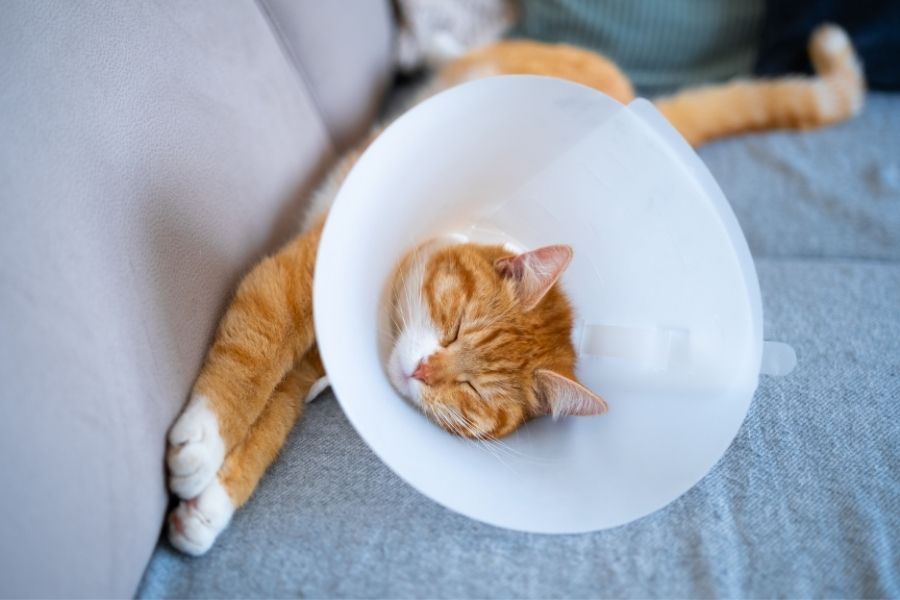
Home care instructions may cover feeding, medication schedules, activity restrictions, incision monitoring, and follow-up appointments. Cats that tend to jump or climb may need a safe, confined recovery space. Cats with mobility difficulties may require easier access to their essential supplies.
Owners should ask which signs are expected after surgery and which warrant a call to the clinic. Increasing incision swelling, discharge, persistent vomiting, worsening pain, or unusual weakness should be discussed with the veterinary team. Severe breathing difficulty or collapse requires prompt veterinary assessment.
Preparing the home and understanding the instructions in advance can make recovery more manageable for both the cat and its owner.
How Cat Owners Can Participate in Surgical Planning
Owners play an important role in helping veterinarians develop a complete picture of their cat’s needs. Sharing accurate information and asking questions can improve communication throughout the process.
Before surgery, consider asking:
- What condition is the procedure intended to treat?
- Are additional tests recommended before anesthesia?
- What risks are most relevant to my cat?
- Are there reasonable alternatives to surgery?
- How will pain and anesthesia be managed?
- What care will my cat need at home?
- When should follow-up visits take place?
Discussing these questions with the veterinary team helps clarify expectations and provides an opportunity to address concerns before the procedure.
Discuss Cat Surgery With Highland Animal Hospital in Needham
Individualized surgical planning helps ensure that a cat’s medical history, current health, and recovery needs are considered together. From diagnostic testing and anesthesia decisions to pain management and home care, each step contributes to a treatment plan designed around the individual patient.
If your cat may need surgery, contact Highland Animal Hospital in Needham to discuss the recommended procedure and preparation requirements. Ask about scheduling a consultation, reviewing your cat’s medical history, and determining which evaluations may be appropriate. A conversation with your veterinary team can help you understand the available pet surgical services and prepare for your cat’s care with greater confidence.
Frequently Asked Questions
Q1. What factors do veterinarians consider before planning cat surgery?
Ans: Veterinarians consider the cat’s age, physical examination, medical history, medications, diagnostic results, and the type of procedure. These details help guide decisions about anesthesia, surgical techniques, monitoring, and recovery.
Q2. Does every cat need bloodwork before surgery?
Ans: Not every cat requires the same tests. Bloodwork may be recommended based on age, medical history, examination findings, and the planned procedure. Your veterinarian can explain which tests are appropriate for your cat.
Q3. Can a cat’s existing medical condition change its surgical plan?
Ans: Yes. Conditions affecting the kidneys, liver, heart, blood sugar, or breathing may influence medication choices, anesthesia, monitoring, and recovery. Additional evaluation or treatment may be recommended when necessary.
Q4. How does a veterinarian decide whether surgery should be postponed?
Ans: The veterinarian considers the severity of any health concerns, test results, and the risks of proceeding versus waiting. For an elective procedure, treating an underlying problem or investigating abnormal findings first may be advisable.
Q5. How can I help my cat recover after surgery?
Ans: Follow the prescribed medication schedule, provide a quiet recovery space, restrict activity as instructed, and monitor the incision and your cat’s behavior. Attend recommended follow-up visits and contact the veterinary team if concerning symptoms develop.