31 Wellesley Ave.
Needham Heights, MA 02494



Comprehensive Diagnostic Testing for Pets: What Every Owner Should Know
Pets cannot always communicate when something feels wrong. Because of this, veterinarians rely on diagnostic tools to understand what is happening inside a pet’s body. These tools help detect health problems early and guide effective treatment plans.
Comprehensive diagnostic testing plays an important role in modern veterinary medicine. It allows professionals to evaluate internal organs, monitor diseases, and identify infections or abnormalities before symptoms become severe. As a result, pets can receive timely treatment and better long-term care.
For pet owners, understanding how diagnostic testing works can make veterinary visits less stressful and more meaningful. When owners recognize the importance of early detection and preventive screening, they become active partners in their pet’s health journey.
This guide explains the most common diagnostic procedures used in veterinary clinics, why they matter, and how they help veterinarians provide accurate care. This information is especially helpful for pet owners living in Needham, MA.
Why Diagnostic Testing Is Important for Pets
Veterinary diagnostic testing helps detect health problems that may not be visible during a routine physical exam. While veterinarians can observe symptoms such as weight loss, lethargy, or behavioral changes, laboratory tests often reveal the underlying cause.
For example, blood tests can uncover infections, organ dysfunction, or hormonal imbalances long before symptoms become noticeable. Similarly, imaging tools such as X-rays and ultrasound allow veterinarians to see structures inside the body.
Early diagnosis offers several advantages:
- Faster treatment and recovery
- Better disease management
- Lower long-term medical costs
- Improved quality of life for pets
When veterinarians combine physical examinations with advanced testing, they can provide more accurate medical decisions and personalized treatment plans.
Common Types of Veterinary Diagnostic Tests
Veterinary clinics use several diagnostic methods to evaluate a pet’s health. Each test provides unique information that helps veterinarians understand different aspects of the body.
Blood Tests
Blood tests are among the most commonly performed diagnostic procedures. They provide valuable insights into organ function and overall health.
A complete blood count (CBC) evaluates red blood cells, white blood cells, and platelets. This test helps identify infections, anemia, or inflammation.
Another common test is the blood chemistry panel. It measures enzymes and other substances that indicate how well organs such as the liver and kidneys are functioning.
These tests are quick, minimally invasive, and extremely informative.
Urinalysis
Urinalysis is another important diagnostic tool. This test analyzes a pet’s urine to evaluate kidney health, hydration levels, and urinary tract conditions.
Through urinalysis, veterinarians can detect:
- Urinary tract infections
- Kidney disease
- Diabetes
- Bladder stones
Because many urinary conditions develop gradually, routine testing helps detect problems before they become serious.
Fecal Testing
Parasites are common in pets, particularly in young animals and those that spend time outdoors. Fecal testing allows veterinarians to identify intestinal parasites such as roundworms, hookworms, and giardia.
Even when pets appear healthy, parasites may still be present. Therefore, routine fecal exams are recommended during wellness visits.
Early detection ensures that parasites can be treated quickly and prevents them from spreading to other animals.
Advanced Imaging Technologies
In addition to laboratory tests, veterinarians often rely on imaging technology to visualize structures inside the body. These diagnostic tools provide detailed information about bones, organs, and tissues.
X-Rays
X-rays are commonly used to examine bones and internal organs. They help diagnose fractures, joint issues, and certain lung or heart conditions.
For example, if a pet experiences limping or trauma, X-rays can quickly reveal whether a bone injury is present.
Additionally, veterinarians may use X-rays to identify tumors, swallowed objects, or abnormal organ sizes.
Ultrasound
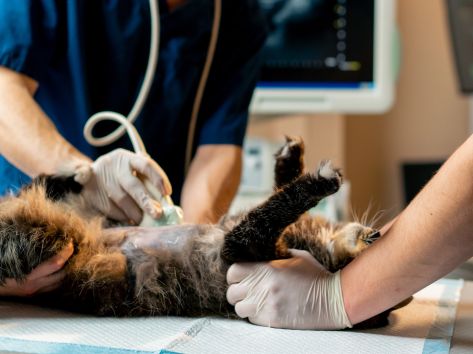
Ultrasound imaging uses sound waves to create detailed images of internal organs. This technology allows veterinarians to evaluate soft tissues such as the liver, kidneys, and bladder.
Unlike X-rays, ultrasound can show organ movement and blood flow. As a result, it is especially useful for examining abdominal conditions.
Veterinarians may recommend ultrasound if a pet shows symptoms such as vomiting, abdominal pain, or unexplained weight loss.
Digital Diagnostic Tools
Modern veterinary clinics increasingly use digital diagnostic equipment to improve accuracy and efficiency.
Digital radiography provides high-resolution images that can be reviewed instantly. Similarly, in-house laboratory machines allow clinics to analyze blood samples within minutes.
These technologies enable veterinarians to make faster decisions about treatment plans and provide immediate care when needed.
In many cases, these tools are essential components of comprehensive pet diagnostic care, ensuring that medical conditions are identified quickly and accurately.
When Diagnostic Testing Is Recommended
Diagnostic testing may be recommended for several reasons. Sometimes veterinarians perform tests when pets show symptoms of illness. However, tests are also commonly used during routine wellness visits.
Situations that may require diagnostic testing include:
- Unexplained weight loss or fatigue
- Persistent vomiting or diarrhea
- Changes in appetite or behavior
- Difficulty breathing
- Injury or trauma
In addition, senior pets often require more frequent diagnostic testing. As animals age, they become more susceptible to conditions such as kidney disease, arthritis, and hormonal disorders.
Routine screening allows veterinarians to monitor health changes and intervene early when necessary.
Preventive Health Screening
Preventive screening is one of the most effective ways to maintain long-term health in pets. Even when animals appear healthy, diagnostic tests can reveal hidden problems.
For example, annual blood tests may detect early kidney disease before symptoms develop. When veterinarians identify issues early, treatment can begin immediately.
Preventive testing also establishes baseline health data for your pet. This information becomes extremely valuable if health concerns arise later.
By comparing future test results with previous records, veterinarians can detect subtle changes that might otherwise go unnoticed.
Regular wellness exams combined with pet diagnostic care create a proactive approach to maintaining pet health.
Preparing Your Pet for Diagnostic Tests
Pet owners can take simple steps to prepare their animals for diagnostic procedures.
First, follow your veterinarian’s instructions regarding food or water restrictions before certain tests. For example, some blood tests require fasting to ensure accurate results.
Second, keep your pet calm during the veterinary visit. Bringing a familiar toy or blanket may help reduce stress.
Finally, provide accurate information about your pet’s medical history, medications, and recent behavioral changes. This information helps veterinarians interpret test results more effectively.
Clear communication between pet owners and veterinary teams ensures the best possible outcomes.
The Role of Veterinarians in Diagnostic Care
Veterinarians are highly trained to interpret diagnostic results and develop treatment plans. Their expertise allows them to identify patterns, compare results, and determine the most appropriate medical response.
Once test results are available, veterinarians explain the findings in clear terms. They also discuss treatment options, follow-up tests, and lifestyle adjustments if needed.
This collaborative approach helps pet owners feel informed and confident about their pet’s care.
By combining advanced technology with professional expertise, veterinary teams provide comprehensive medical support for pets at every stage of life.
Comprehensive diagnostic testing is an essential part of modern veterinary medicine. These tools help veterinarians detect diseases early, evaluate organ function, and monitor ongoing health conditions.
From blood tests and urinalysis to advanced imaging technologies, diagnostic procedures provide valuable insights that guide effective treatment plans. When pet owners prioritize routine testing and preventive care, they help ensure their pets enjoy longer, healthier lives.
If you are in Needham, MA and need guidance related to pet diagnostic care, book an appointment with Highland Animal Hospital. Our veterinary team is dedicated to providing accurate diagnostics and compassionate care to support your pet’s long-term health.
FAQs
Q1. What types of diagnostic tests are commonly used for pets?
Ans. Veterinarians commonly use blood tests, urinalysis, fecal exams, X-rays, and ultrasound imaging to evaluate a pet’s health and detect potential medical issues.
Q2. When should my pet undergo diagnostic testing?
Ans. Diagnostic tests may be recommended during routine wellness exams, when a pet shows signs of illness, or before certain medical procedures to ensure overall health.
Q3. Are diagnostic tests painful for pets?
Ans. Most diagnostic tests are minimally invasive and cause little to no discomfort. Procedures like blood draws or imaging are quick and performed carefully by trained veterinary professionals.
Q4. How long does it take to receive diagnostic test results?
Ans. Some tests, such as in-house blood work, can provide results within minutes. Other laboratory tests may take a few days depending on the complexity of the analysis.
Q5. Can diagnostic testing help detect diseases early?
Ans. Yes. Diagnostic testing can reveal early signs of conditions such as infections, kidney disease, diabetes, and other health concerns before symptoms become severe.
Q6. Do older pets need more diagnostic testing?
Ans. Yes. Senior pets are more prone to age-related conditions, so veterinarians often recommend more frequent diagnostic screenings to monitor their health closely.