31 Wellesley Ave.
Needham Heights, MA 02494



Why Diagnostic Testing Is Essential for Your Pet’s Health
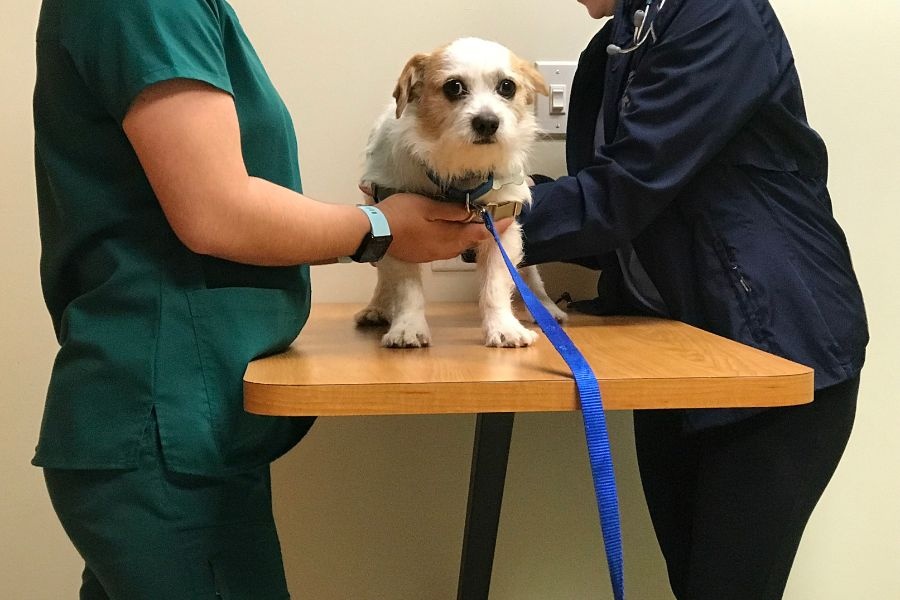
Every pet parent wants their furry companion to live a long, healthy, and joyful life. However, animals can’t tell us when something feels wrong. That’s where diagnostic testing steps in. It serves as a window into your pet’s internal health, allowing veterinarians to detect hidden issues before they become serious. From routine bloodwork to advanced imaging, these tests can make all the difference between early treatment and late discovery.
What is Diagnostic Testing for Pets?
Diagnostic testing includes a variety of procedures that help veterinarians understand what’s happening inside your pet’s body. These tests go beyond the physical exam, revealing conditions that aren’t visible to the naked eye.
Common examples include:
- Blood and urine tests to evaluate organ function and hydration levels.
- X-rays and ultrasounds to view bones, tissues, and internal organs.
- Fecal exams to detect parasites or digestive issues.
- Allergy and hormone tests to uncover underlying sensitivities or imbalances.
Each of these diagnostic tools serves a different purpose, but together, they provide a comprehensive picture of your pet’s overall health.
Early Detection: The Key to Lifelong Wellness
One of the most powerful benefits of diagnostic testing is early detection. Many diseases develop silently, showing few or no symptoms in the beginning. Regular tests can catch these issues long before they cause visible distress.
For example, kidney disease, diabetes, or thyroid imbalances may progress unnoticed. By identifying abnormalities early, your veterinarian can create a treatment plan that prevents irreversible damage. Simply put, early diagnosis often leads to better outcomes, fewer emergencies, and a longer, healthier life for your pet.
How Diagnostic Testing Complements Regular Checkups
Even if your pet seems healthy during their annual exam, routine diagnostics add another layer of protection. While the physical exam checks external health, diagnostics reveal what’s going on inside.
During regular visits, your vet might recommend baseline testing. These initial results serve as a reference point for future comparisons. When changes occur, your vet can spot trends early—whether it’s a subtle decline in organ function or a rise in blood sugar levels.
Transitioning from reactive care to preventive care ensures your pet stays ahead of health challenges instead of struggling to recover from them.
Common Tests and What They Reveal
Let’s look closer at some of the most valuable diagnostic tests:
1. Blood Chemistry Panel
This test evaluates liver, kidney, and pancreas function. It also helps detect infections, anemia, or electrolyte imbalances.
2. Urinalysis
A urinalysis provides insight into hydration levels, urinary tract infections, and early signs of kidney disease.
3. Fecal Testing
Parasites are common and can easily spread between pets or even to humans. Fecal exams ensure your companion is parasite-free.
4. X-rays (Radiographs)
They help identify fractures, arthritis, swallowed objects, and tumors within the chest or abdomen.
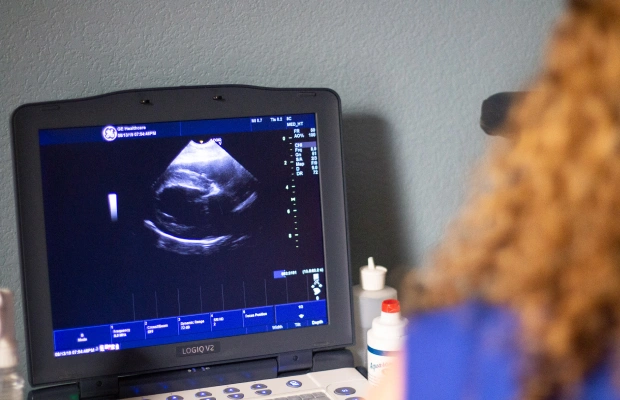
5. Ultrasounds
Unlike X-rays, ultrasounds use sound waves to capture real-time images of internal organs. This helps detect cysts, growths, or fluid buildup.
6. Heartworm and Tick-Borne Disease Testing
Both can be fatal if undiagnosed. Regular testing helps keep your pet safe from these preventable diseases.
The Role of Diagnostic Testing in Senior Pet Care
As pets age, their risk of chronic diseases increases. Senior pets, especially those over seven years old, benefit immensely from regular diagnostic testing.
Routine senior panels can detect early kidney decline, heart conditions, or arthritis—issues that often remain hidden until late stages. By identifying problems sooner, you can slow progression, ease discomfort, and improve your pet’s quality of life.
Transitioning into senior care doesn’t mean illness—it means staying proactive about wellness.
Diagnostics During Emergencies
During emergencies, diagnostic testing becomes critical. Whether it’s sudden vomiting, lethargy, or an accident, tests like bloodwork and imaging provide fast answers. Quick, accurate results guide your veterinarian toward effective treatment decisions.
When minutes matter, diagnostics bridge the gap between uncertainty and life-saving care.
The Human–Animal Bond and Preventive Responsibility
We share deep emotional connections with our pets—they depend on us for their well-being. Scheduling diagnostic tests may seem routine, but it’s an act of love. Regular diagnostics show commitment to your pet’s comfort, longevity, and happiness.
Preventive healthcare, including diagnostics, allows you to spend more time making memories rather than managing avoidable health crises.
Regular diagnostic testing helps uncover hidden conditions before they become serious or life-threatening. Whether your companion is a playful puppy, curious kitten, or aging senior, diagnostics form the foundation of lifelong wellness.
If you’re looking for pet diagnostic care in Needham Heights, MA, visit Highland Animal Hospital, your trusted local veterinary clinic. Schedule a comprehensive exam today to ensure your furry friend enjoys the best possible health. A proactive approach now means a healthier, happier future together.
FAQs About Diagnostic Testing for Pets
Q1. How often should my pet have diagnostic tests?
Ans. Most pets benefit from annual testing, but older pets or those with chronic conditions may need more frequent monitoring.
Q2. Are diagnostic tests painful for pets?
Ans. Most tests, like blood draws or imaging, are minimally invasive. Pets may experience slight discomfort, but procedures are quick and gentle.
Q3. Can I skip testing if my pet looks healthy?
Ans. No. Many health problems develop silently. Routine tests catch issues before symptoms appear, ensuring timely treatment.
Q4. How long do diagnostic results take?
Ans. Basic tests like bloodwork are often available the same day, while specialized panels may take a few days.
Q5. Are diagnostic tests expensive?
Ans. Costs vary by test type, but preventive testing is usually less expensive than treating advanced disease later.
Q6. What should I do to prepare my pet for diagnostic testing?
Ans. Follow your vet’s instructions carefully—some tests require fasting or sample collection at specific times.