31 Wellesley Ave.
Needham Heights, MA 02494



How to Keep Your Cat’s Teeth Healthy

Your cat’s mouth plays a vital role in their overall health. Yet, many pet parents overlook feline dental care until they notice bad breath or tooth loss. Just like humans, cats can suffer from plaque buildup, gum inflammation, and oral pain if their teeth aren’t cared for regularly.
Fortunately, maintaining your cat’s dental health doesn’t have to be complicated. With small daily habits, regular checkups, and the right diet, you can protect your furry friend’s teeth and gums for years to come.
1. Start with Regular Brushing
Brushing is the foundation of good dental care. It helps remove food particles and prevents plaque from hardening into tartar.
Use a soft-bristled toothbrush or a finger brush made for cats. Always choose pet-safe toothpaste, as human toothpaste contains ingredients that can be toxic to cats. Begin gradually—let your cat lick the brush first, then gently clean the outer surfaces of their teeth.
Over time, your cat will adjust to the routine. Aim for brushing several times a week for best results.
2. Schedule Annual Veterinary Dental Exams
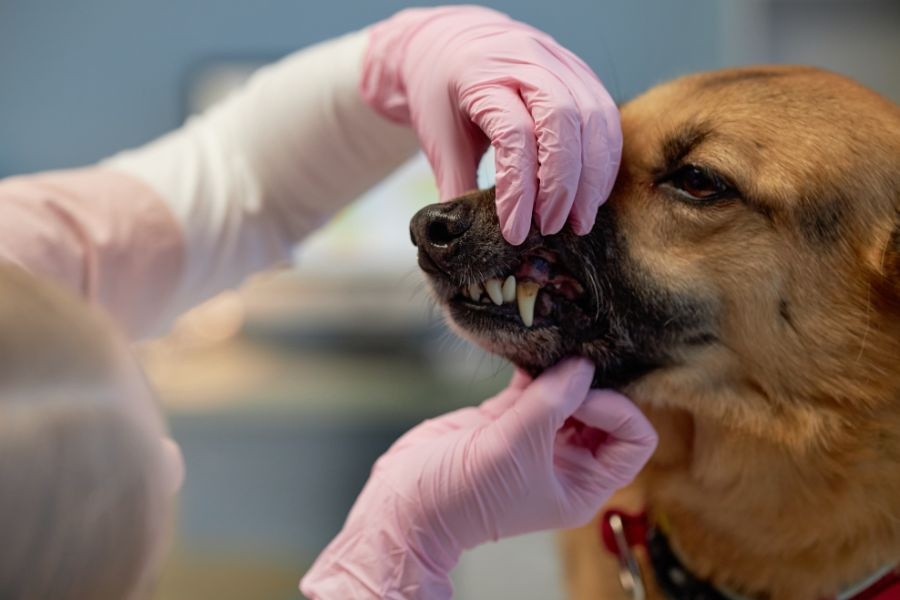
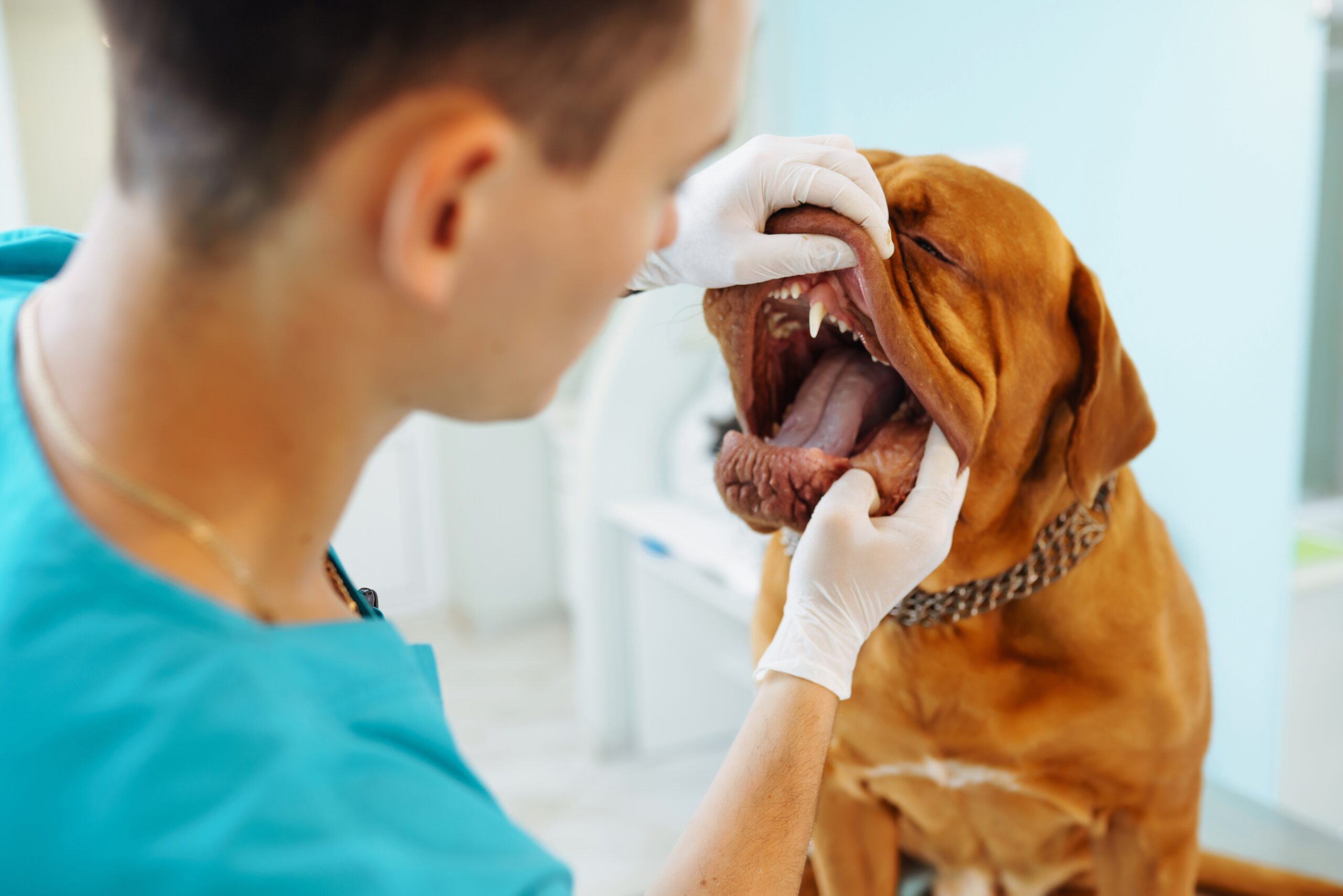
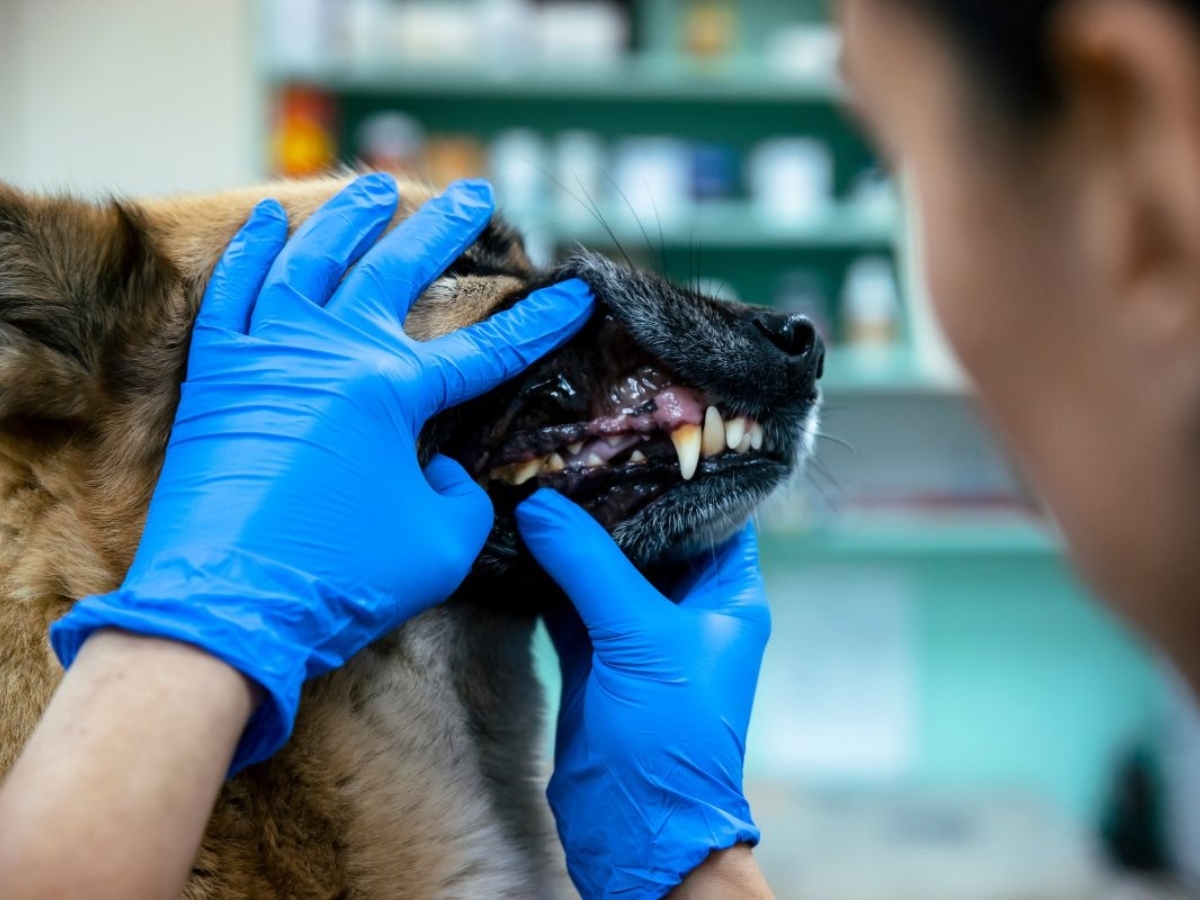
Even if your cat’s teeth look fine, yearly dental exams are essential. During these visits, your veterinarian can detect early signs of gingivitis, infections, or resorptive lesions, which are common in older cats.
Professional dental cleanings under anesthesia allow vets to remove stubborn tartar and check below the gumline. This preventive step helps stop disease before it becomes painful or costly to treat.
Transitioning from home care to professional cleanings ensures complete protection for your cat’s oral health.
3. Provide a Balanced Diet for Oral Health
Nutrition greatly affects dental health. Crunchy kibble can help reduce plaque, but not all dry foods are equal. Look for dental-specific cat diets approved by the Veterinary Oral Health Council (VOHC). These formulas are designed to minimize tartar buildup and support gum health.
Additionally, provide occasional dental treats or chews that encourage natural scraping as your cat bites. Just remember, treats should complement—not replace—brushing and vet visits.
4. Offer Dental Toys and Chews
Dental toys are an enjoyable and functional way to clean teeth. Cats love to chew, and textured toys can help remove soft plaque while keeping them entertained.
Rubber, rope, or fabric toys made for dental care can massage gums and promote saliva production, which naturally cleans the mouth.
Rotating toys frequently keeps your cat curious and engaged, preventing boredom while improving dental hygiene.
5. Watch for Warning Signs of Dental Problems
Cats are experts at hiding pain. That’s why it’s important to recognize subtle signs of dental trouble. Look for:
- Bad breath or drooling
- Red, swollen gums
- Pawing at the mouth
- Reluctance to eat or chew
- Weight loss or sudden food aversion
If you notice any of these symptoms, schedule a vet appointment right away. Early intervention can prevent severe infections or tooth loss.
6. Keep Your Cat Hydrated
Water is an unsung hero of dental care. It helps wash away food debris and maintain a clean mouth environment. Always keep fresh water available in multiple spots around your home.
Many cats prefer running water, so consider using a pet water fountain. It not only encourages drinking but also supports kidney and urinary health—an added benefit for feline wellness.
7. Try Dental Rinses and Water Additives
If brushing feels difficult, dental rinses or water additives can help. These products contain enzymes that reduce bacteria and plaque formation.
Simply mix them into your cat’s water bowl or apply them directly with a cotton swab. They’re safe, easy to use, and an excellent addition to your cat’s dental care routine.
8. Feed Wet Food in Moderation
While wet food keeps cats hydrated, it can also stick to teeth, encouraging bacterial growth. Feeding only soft food increases the risk of plaque buildup.
The solution is balance—combine wet and dry foods to maintain both hydration and oral cleanliness. Discuss with your veterinarian to determine the best feeding ratio for your cat’s needs.
9. Keep Stress Levels Low
Cats under stress may neglect self-grooming, eat less, or even develop oral ulcers. Maintaining a calm environment supports healthy habits, including chewing and grooming.
Establish routines, provide safe resting spaces, and use interactive play to keep anxiety at bay. A stress-free cat is a healthier cat—from whiskers to teeth.
10. Build a Consistent Dental Routine
Consistency is the key to success. Set a schedule for brushing, feeding, and checkups. Start slow, reward your cat with praise or treats, and keep sessions short.
Once dental care becomes part of your cat’s routine, you’ll notice fresher breath, whiter teeth, and improved overall health.
Transitioning from occasional efforts to regular maintenance ensures your cat’s mouth stays clean, comfortable, and free of disease.
Your cat’s dental health plays a vital role in their overall happiness and longevity. By brushing regularly, offering dental-friendly treats, and keeping up with professional exams, you can prevent painful issues and ensure years of purr-filled companionship.
If you’re looking for trusted cat dental care in Needham Heights, MA, visit Highland Animal Hospital. Our compassionate team provides comprehensive feline dental services to keep your cat’s teeth clean, strong, and healthy. Schedule an appointment today to safeguard your feline friend’s smile and well-being.
FAQs
Q1. How often should I brush my cat’s teeth?
Ans. Ideally, brush your cat’s teeth daily. If that’s difficult, aim for at least three to four times a week.
Q2. Why does my cat have bad breath?
Ans. Bad breath is often the first sign of dental disease. It may indicate plaque buildup, gum infection, or tooth decay.
Q3. Are dental cleanings safe for cats?
Ans. Yes. Under professional supervision and anesthesia, dental cleanings are safe and help prevent long-term health complications.
Q4. Can I use human toothpaste on my cat?
Ans. No. Human toothpaste can contain xylitol and fluoride, both toxic to cats. Always use pet-specific toothpaste.
Q5. What’s the best age to start cat dental care?
Ans. Start as early as possible—ideally when your cat is a kitten. Early exposure makes dental care easier and more effective.
Q6. How can I prevent dental disease without brushing?
Ans. You can use dental rinses, water additives, or dental diets, but brushing remains the most effective method.