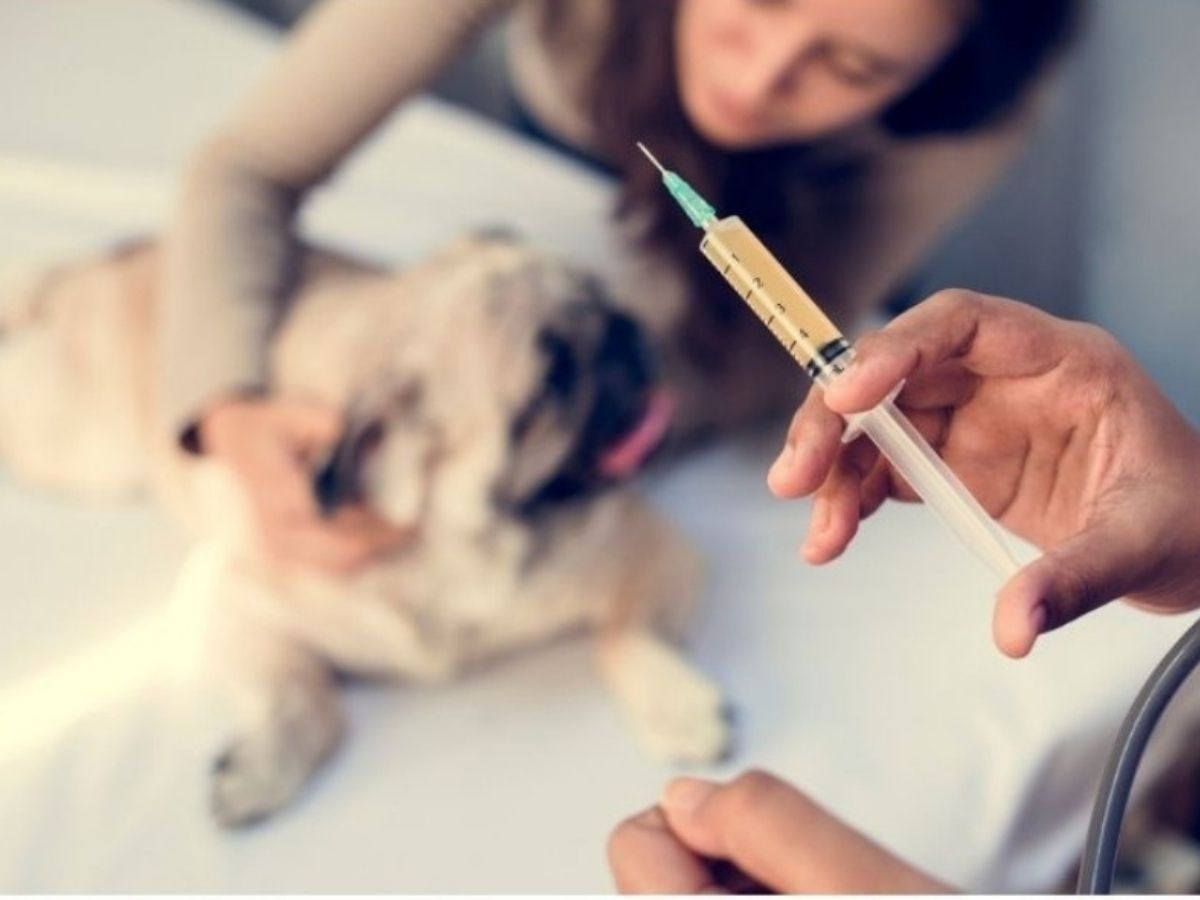



Every dog deserves a long, happy, and healthy life. But just like humans, dogs are vulnerable to infectious diseases that can cause pain, distress, or even be fatal. Thankfully, vaccinations offer one of the most effective ways to protect them.
Vaccines work by preparing your dog’s immune system to recognize and fight off harmful pathogens before they cause illness. In this guide, you’ll learn why vaccinations are vital, how they protect your pup, and what common diseases they prevent—helping you make informed decisions about your dog’s health.
Why Vaccinations Matter for Every Dog
Vaccinations aren’t just a medical formality—they’re a proactive investment in your pet’s well-being. Even if your dog stays indoors, it can still be exposed to viruses and bacteria through the air, contaminated objects, or interactions with other animals.
Moreover, many infectious diseases spread rapidly in communities. Keeping your dog vaccinated not only safeguards them but also helps control outbreaks that could threaten other pets and even humans.
Transitioning from prevention to peace of mind, vaccines save lives and reduce emotional and financial strain from avoidable illnesses.
How Vaccines Work: Strengthening Immunity from Within
When a vaccine enters your dog’s body, it introduces a harmless version of a virus or bacteria. This “training” teaches the immune system to recognize and respond to the real disease quickly and efficiently if exposure happens later.
In other words, your dog’s body develops a defense system that can fight off infections before symptoms appear. This process doesn’t just protect your dog—it also helps build community-wide immunity, reducing the spread of disease among pets in your area.
Core Vaccines Every Dog Needs
Veterinarians classify vaccines into two categories: core and non-core. Core vaccines are essential for every dog, regardless of breed or lifestyle.
Here are the core vaccines and their benefits:
1. Rabies Vaccine
Rabies is a fatal viral disease that affects the brain and nervous system. Since it can also spread to humans, the rabies vaccine is mandatory in most states. It’s your dog’s—and your family’s—best protection against this deadly virus.
2. Canine Parvovirus (Parvo)
Parvo attacks the gastrointestinal system, causing severe vomiting, diarrhea, and dehydration. Puppies are especially vulnerable, and without vaccination, the disease can be fatal.
3. Canine Distemper
Distemper affects multiple systems, including the respiratory, digestive, and nervous systems. It spreads easily through coughing or sneezing and often leads to long-term neurological damage or death.
4. Canine Hepatitis (Adenovirus)
This contagious disease affects the liver, kidneys, and eyes. Vaccination significantly reduces the severity of infection and prevents its spread to other dogs.
Non-Core Vaccines: Protection Based on Lifestyle
While core vaccines are necessary for every dog, non-core vaccines depend on factors such as lifestyle, geography, and exposure risk.
Your veterinarian may recommend:
- Leptospirosis: Protects against bacteria found in soil and water that can also infect humans.
- Bordetella (Kennel Cough): Ideal for dogs frequently boarded, groomed, or taken to dog parks.
- Lyme Disease: Important if you live in or travel to tick-infested areas.
- Canine Influenza: Prevents flu-like symptoms common in social dogs or multi-pet households.
Regular discussions with your vet ensure your dog receives the right combination of vaccines for its lifestyle and environment.
When Should Dogs Be Vaccinated?
Puppies usually start their vaccination series between 6 to 8 weeks of age. Booster shots follow every 3–4 weeks until around 16 weeks old. After the initial series, adult dogs need regular boosters—typically once a year or every three years, depending on the vaccine.
Transitioning from puppyhood to adulthood, consistent booster schedules are crucial for maintaining strong immunity. Missing vaccines can create gaps in protection, leaving your pet at risk for preventable diseases.
Common Myths About Dog Vaccines
Despite clear benefits, some misconceptions persist. Let’s clear them up:
- Myth: Indoor dogs don’t need vaccines.
Truth: Diseases can spread through the air or objects brought indoors. - Myth: Vaccines make pets sick.
Truth: Mild side effects like soreness or fatigue are temporary. Serious reactions are extremely rare. - Myth: Older dogs don’t need vaccinations.
Truth: Senior dogs still need protection, though schedules may adjust with age.
Transitioning from myth to fact, the reality is simple—vaccinations are a safe, proven defense against life-threatening diseases.
The Long-Term Benefits of Vaccinating Your Dog
Vaccinating your dog protects more than just physical health. It:
- Prevents distressing illness and costly treatments.
- Extends life expectancy.
- Promotes community health and prevents outbreaks.
- Offers peace of mind to you and your family.
Vaccines also help minimize antibiotic use by reducing the risk of secondary infections—a key step in combating antibiotic resistance.
When you stay consistent with your dog’s vaccination schedule, you’re giving them the best possible chance to enjoy a long, healthy, and active life.
Vaccinations form the cornerstone of preventive care. They shield your dog from serious diseases, ensure long-term wellness, and keep your community safe.
If you’re seeking reliable pet vaccinations in Needham Heights, MA, visit Highland Animal Hospital, your trusted neighborhood veterinary clinic. Schedule your dog’s vaccination appointment today to secure their health and happiness for years to come. A few preventive steps now will protect countless tail wags later.
FAQs
Q1. How often should my dog be vaccinated?
Ans. Puppies need a series of shots starting at 6–8 weeks, followed by annual or triennial boosters based on your vet’s advice.
Q2. Can vaccines cause side effects?
Ans. Most dogs experience no side effects. Some may have mild fatigue or soreness that resolves within a day or two.
Q3. What happens if my dog misses a vaccine?
Ans. If a booster is overdue, your vet will help restart or adjust the schedule to restore full protection.
Q4. Are vaccines safe for senior dogs?
Ans. Yes. Older dogs still benefit from vaccines, though your vet may tailor the schedule to their health status.
Q5. Can unvaccinated dogs spread disease?
Ans. Absolutely. Unvaccinated dogs can transmit viruses like parvovirus and distemper to other pets and wildlife.
Q6. Why does my indoor dog need vaccines?
Ans. Even indoor dogs can be exposed to airborne diseases or viruses carried on clothing, shoes, or other pets.