

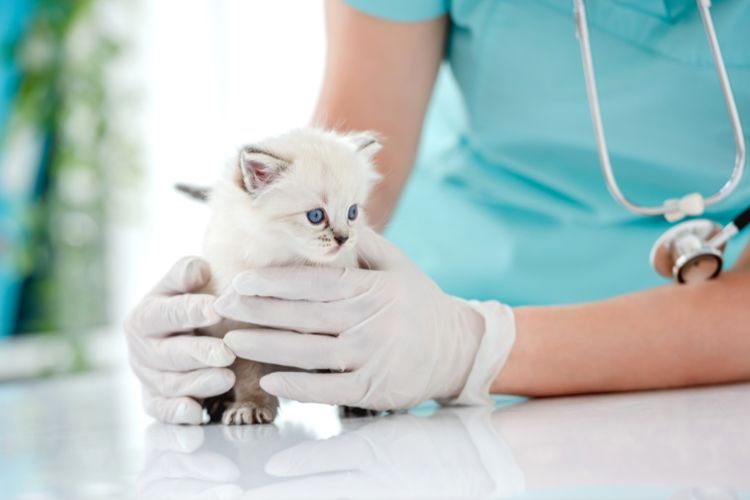
Bringing a kitten into your home is exciting and rewarding, but it also comes with responsibilities, one of the most important being their health and well-being. As a new pet parent, you may have questions about the best ways to protect your kitten from common illnesses. One of the key components of kitten care is vaccinations, which play a crucial role in preventing serious diseases.
This blog is especially for you if you’re a new pet owner in Needham, MA, and you’re wondering how to ensure your kitten gets off to the right start in life. This guide will provide you with all the essential information about kitten vaccinations. From understanding the types of vaccines to their schedules, this blog will help you make informed decisions for your kitten’s health.
Vaccinations are not just a preventive measure; they are an essential part of your kitten’s long-term health. Keep reading to learn why kitten vaccinations are so important and how you can ensure your new feline friend stays protected.
The Need for Vaccinating Your Kitten Early
Understanding the Importance of Vaccinations
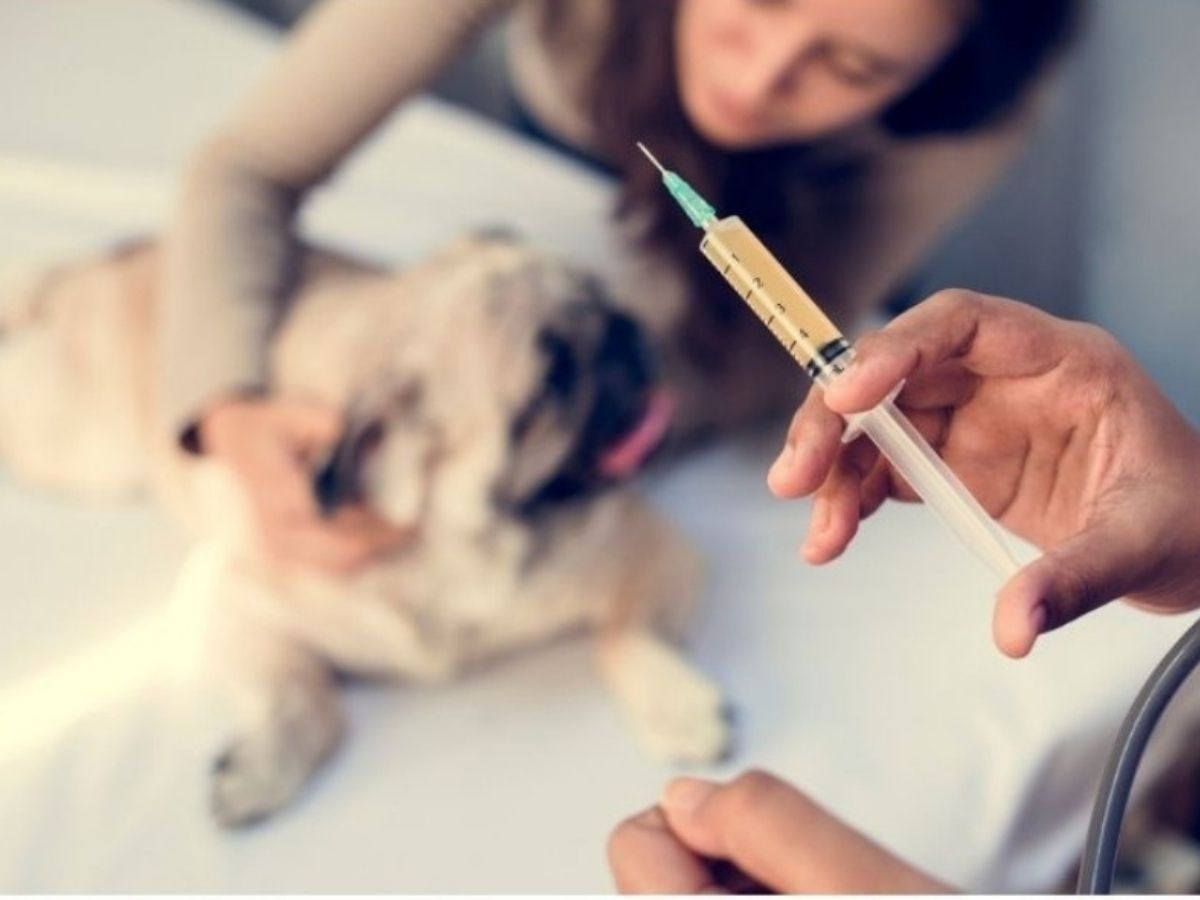
Vaccinations are critical in protecting your kitten from infectious diseases that can cause severe illness or even death. As a new pet parent, it’s important to understand that kittens are especially vulnerable to diseases before they are fully vaccinated. Pet vaccination as part of preventative care helps boost their immune system, allowing them to fight off diseases they may encounter throughout their lives.
Why Vaccines Matter:
- Prevention of deadly diseases: Vaccines help protect against feline distemper, feline leukemia, and rabies.
- Protecting public health: Certain vaccines, like rabies, also protect humans and other pets from potentially fatal diseases.
- Long-term health benefits: Keeping your kitten vaccinated helps ensure they stay healthy and reduces the likelihood of costly treatments down the road.
The Core Vaccines That Your Kitten Needs
Feline Distemper (Panleukopenia) Vaccine
This vaccine protects your kitten from feline distemper, a highly contagious virus that affects the gastrointestinal, immune, and nervous systems. Without vaccination, the disease can be fatal. Thankfully, the vaccine is highly effective and is typically included in the core vaccine series for kittens.
Why It Matters:
- Prevents severe illness: Feline distemper can cause vomiting, diarrhea, and even neurological symptoms.
- Highly contagious: The virus spreads quickly in areas with multiple cats.
Feline Herpesvirus and Calicivirus Vaccine
These viruses are two of the leading causes of upper respiratory infections in cats. Kittens are especially susceptible to these diseases, which can cause symptoms like sneezing, coughing, and nasal discharge. Vaccination can help prevent these viruses from affecting your kitten.
Why It Matters:
- Reduces respiratory infections: These vaccines help reduce symptom severity and prevent complications.
- Protects kittens early: Young kittens are particularly vulnerable to upper respiratory diseases.
Rabies Vaccine
Rabies is a fatal disease that affects the brain and is transmitted through the saliva of infected animals. Rabies is not only dangerous for pets but can also be transmitted to humans. The rabies vaccine is essential for all kittens, as it is often required by law and protects both your pet and your family.
Why It Matters:
- Public safety: Rabies can be transmitted to humans, making vaccination crucial for public health.
- Legal requirements: In many regions, including Needham, MA, rabies vaccine is required by law.
Additional Vaccines for Kittens
While the core vaccines are the most important, there are also additional vaccines that may be recommended based on your kitten’s lifestyle or risk of exposure.
Feline Leukemia Virus (FeLV) Vaccine
FeLV is a virus that suppresses the immune system and can cause cancer, anemia, and other serious health issues. It is spread through saliva, urine, and close contact between cats. Kittens that will be exposed to outdoor environments or other cats should receive this vaccine.
Why It Matters:
- Protects against a deadly virus: Feline leukemia can lead to serious long-term health problems, including immune system failure.
- Important for outdoor cats: If your kitten will spend time outdoors or be around other unvaccinated cats, the FeLV vaccine is a must.
Chlamydia Vaccine
Chlamydia is a bacterial infection that affects the respiratory system. It can lead to conjunctivitis (eye infections) and other symptoms like coughing or sneezing. It’s often recommended for kittens who are at high risk of exposure, such as those in multi-cat households.
Why It Matters:
- Prevents eye infections: Chlamydia is a leading cause of conjunctivitis in cats.
- Low-risk exposure: This vaccine is not part of the core vaccine series, but it can be beneficial in high-risk settings.
Kitten Vaccination Schedule: What to Expect
6-8 Weeks: The First Round of Vaccines
At around 6 to 8 weeks of age, your kitten will need their first round of vaccines, which typically includes the core vaccines for feline distemper, herpesvirus, and calicivirus.
12 Weeks: The Second Round
At 12 weeks, your kitten will receive the second dose of the core vaccines and the first dose of the rabies vaccine, depending on local regulations. If necessary, they may also receive the feline leukemia vaccine.
16 Weeks: Final Core Vaccinations
By 16 weeks, your kitten should receive their final core vaccinations, including the rabies vaccine. At this stage, your kitten is well protected against most serious diseases.
Why the Schedule Matters:
- Boosting immunity: Vaccines are given in multiple doses to build immunity over time.
- Protection at the right time: Early vaccinations are crucial for protecting your kitten before they’re exposed to potentially harmful diseases.
The Impact of Kitten Vaccinations on Long-Term Health
Health Benefits of Vaccination
Vaccinating your kitten provides long-term health benefits, including:
- Fewer health risks: Vaccinated kittens are less likely to suffer from fatal diseases.
- Stronger immune system: Vaccinations help your kitten’s immune system develop, giving them a better chance of fighting off infections.
Long-Term Health Outcomes
By following the proper vaccination schedule, you are setting your kitten up for a healthy future. Vaccinated kittens are generally healthier, experience fewer diseases, and require less frequent vet visits for illness.
Risks of Skipping Vaccinations
Skipping vaccines can put your kitten at risk for serious diseases, some of which can be fatal. Not vaccinating your kitten can lead to a range of health issues, such as respiratory infections, gastrointestinal diseases, and even rabies, which can be deadly to both pets and humans.
Keep Your Kitten Protected and Healthy
Vaccinations are a critical part of your kitten’s early life, providing them with the protection they need against deadly diseases. By following the vaccination schedule and ensuring your kitten receives the appropriate vaccines, you’re giving them the best chance at a long, healthy life. Remember, kitten vaccinations are not just about immediate protection, but they’re about setting your pet up for a healthy future.
If you’re in Needham and have recently adopted a kitten, schedule a consultation with our qualified vet near you at Highland Animal Hospital. We are here to help guide you through the vaccination process. Contact us today to ensure your kitten receives the necessary vaccines to stay healthy and safe for years to come. Your kitten’s health and happiness are our top priorities, and we’re here to support you every step of the way.
FAQs
1. When should I start vaccinating my kitten?
Vaccinations should begin at 6-8 weeks of age, with follow-up vaccinations at 12 and 16 weeks to ensure full protection.
2. Are kitten vaccinations painful?
Kittens may experience some discomfort from the vaccination, but it’s generally a quick, minimally painful process. Any mild side effects, such as lethargy or fever, usually subside within a day or two.
3. Can my kitten get sick from vaccinations?
It’s rare, but some kittens may experience mild side effects such as lethargy or a mild fever. These reactions are temporary and typically resolve within a few days.
4. Should I vaccinate my kitten if it’s going to be an indoor cat?
Yes, even indoor kittens should be vaccinated. They can still be exposed to viruses through human contact, other pets, or accidental exposure to outdoor environments.
5. How often should my kitten be vaccinated?
Kitten vaccinations are typically administered in a series of three doses: at 6-8 weeks, 12 weeks, and 16 weeks. After the initial series, booster shots are needed every 1-3 years, depending on the vaccine.
6. Can I get a vaccination schedule for my kitten from my vet?
Yes, your veterinarian can provide a customized vaccination schedule tailored to your kitten’s needs. It’s important to follow the recommended timeline for their health and safety.