31 Wellesley Ave.
Needham Heights, MA 02494



A Complete Guide to Cat Surgery Recovery: Steps for a Smooth Healing Process
Caring for your cat after surgery can be a challenging experience, especially if you’re unsure of what to expect during the recovery process. Whether your feline friend has undergone a routine procedure like spaying or neutering, or something more complex, proper aftercare is crucial for a smooth recovery. In this complete guide, we will walk you through each step of the post-surgery care process—from bringing your cat home to attending follow-up checkups. With the right approach, you can ensure that your cat heals faster and with fewer complications. This blog is especially tailored for Needham Heights, MA residents to provide helpful and localized guidance in caring for your recovering feline companion.
1. Bring Your Cat Home Safely
Once your cat is discharged from the veterinary clinic, the first step in ensuring a successful recovery is bringing them home in a safe and calm manner.
- Use a carrier: Secure your cat in a well-ventilated carrier to minimize stress.
- Drive slowly: To avoid sudden stops or bumps, keep the carrier low to the floor.
- Set up a quiet space: Upon arrival, place your cat in a quiet room, away from other pets and children, where they can rest undisturbed.
2. Monitor the Anesthesia Recovery
Post-surgery anesthesia can leave your cat drowsy and disoriented, which is entirely normal.
- Limit activity: Prevent your cat from jumping, running, or climbing during this period.
- Provide rest: Let your cat rest peacefully, only disturbing them if it’s time for medication.
- Watch for complications: If you notice signs like excessive drooling, vomiting, or difficulty breathing, contact your vet immediately.
3. Follow the Medication Schedule Precisely
Your vet will likely prescribe pain medications or antibiotics to aid recovery.
- Never skip doses: Follow the prescribed dosage and timing to ensure proper healing.
- Do not use human medications: Only use medications prescribed by your vet.
- Administer with food: If necessary, administer medications with food or pill pockets to make the process easier.
4. Create a Comfortable Recovery Area
Providing a quiet, safe space for your cat to recover is key.
- Prepare a cozy area: Use soft bedding and easy-to-clean materials in case of accidents.
- Avoid high surfaces: Prevent your cat from jumping onto furniture or climbing stairs.
- Use a shallow litter box: This makes it easier for your cat to use the litter box without straining.
5. Prevent Licking and Scratching
Your cat may instinctively want to lick or scratch the incision site.
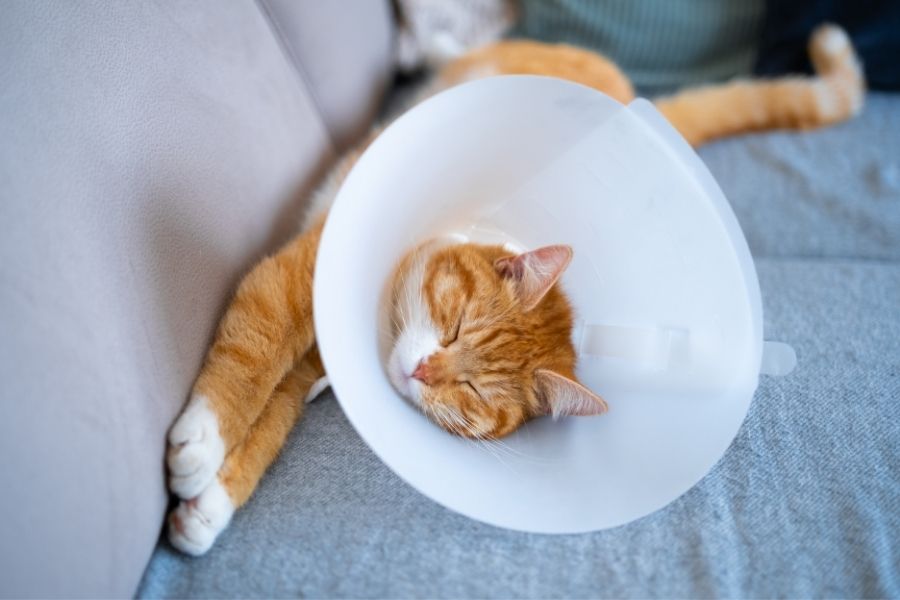
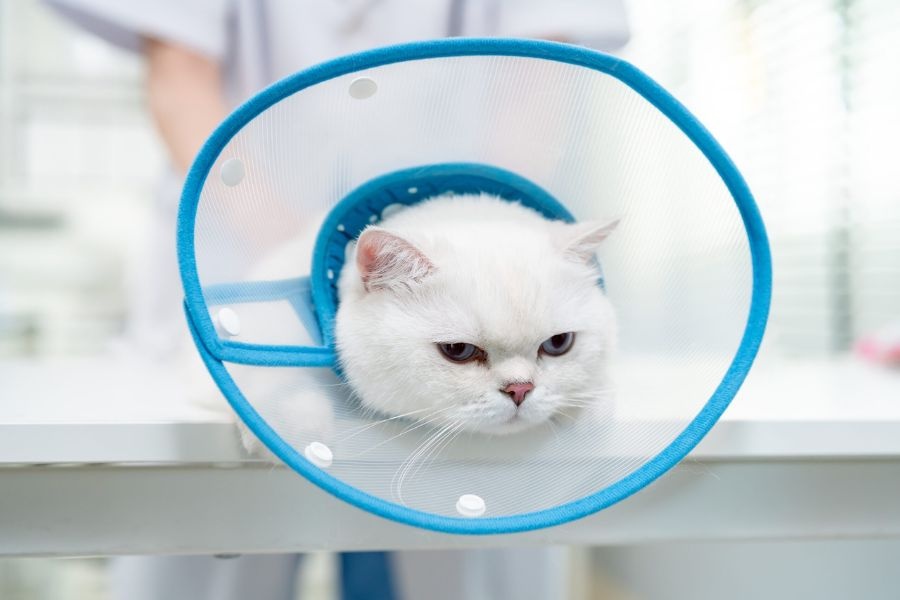
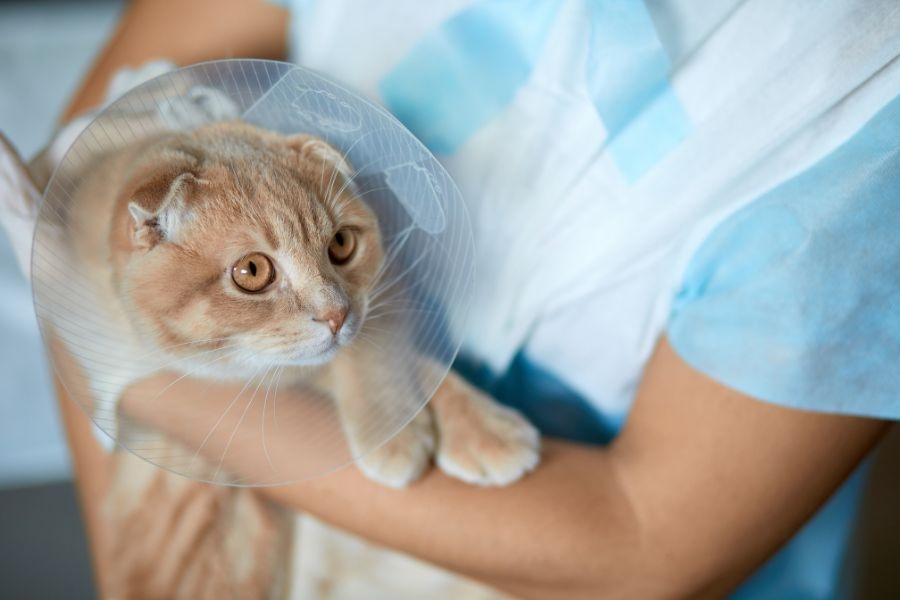
- E-collar or recovery suit: Your vet may provide an Elizabethan collar or soft recovery suit to prevent this behavior.
- Monitor agitation: If your cat is uncomfortable in the collar, consult with your vet about alternatives, such as inflatable collars.
6. Check the Incision Site Daily
Regular inspection of the incision site is crucial to ensure proper healing.
- Look for redness, swelling, or discharge: These could indicate infection.
- Check for missing stitches: If anything looks unusual, contact your vet immediately for advice.
7. Feed a Light Diet Initially
After surgery, your cat’s appetite may be temporarily reduced due to anesthesia.
- Offer small meals: Provide easily digestible food such as wet cat food or boiled chicken, approved by your vet.
- Ensure fresh water: Always provide access to clean water. If your cat refuses food or water for more than 24 hours, consult your veterinarian.
8. Limit Physical Activity
Limiting your cat’s physical activity is essential during the recovery period.
- Prevent jumping and running: Use a playpen or crate if necessary to restrict movement.
- Gradually increase activity: After a few days, you can increase activity under your vet’s guidance to ensure proper healing.
9. Attend All Follow-Up Appointments
Follow-up appointments are crucial to monitor your cat’s recovery progress.
- Don’t skip visits: These appointments help ensure there are no hidden complications, such as infection or delayed healing.
- Suture removal: Your vet will check for signs of infection and remove stitches if necessary.
Helping your cat recover after surgery requires patience and attentive care. By following the steps in this guide, you can create a safe and comfortable environment for your feline companion. If you’re in Needham Heights, MA, and need guidance on your cat’s recovery after surgery, book an appointment with Highland Animal Hospital. Our veterinary team is here to assist with every step of your cat’s healing process, ensuring they return to their playful self in no time.
FAQs
Q1. How long does it take for a cat to recover from surgery?
Ans. Most cats take 7–14 days to recover from surgery, depending on the type of procedure. Always follow your vet’s advice for a personalized recovery timeline.
Q2. Can I let my cat outside during recovery?
Ans. No, it’s essential to keep your cat indoors during the recovery period to minimize the risk of infection, stress, or injury.
Q3. My cat won’t eat after surgery, should I be concerned?
Ans. It’s normal for cats to have a reduced appetite for the first 24 hours. If your cat refuses food after this period, consult your veterinarian.
Q4. When can I remove the e-collar?
Ans. Typically, the e-collar should remain on for 10–14 days, or until the incision is fully healed and the stitches are removed. Consult your vet for specific instructions.
Q5. How can I prevent my cat from scratching or licking the incision site?
Ans. Use an Elizabethan collar or soft recovery suit to prevent your cat from licking the wound. If your cat is agitated, consult your vet about alternative options.