31 Wellesley Ave.
Needham Heights, MA 02494



Why Do Female Cats Get Bigger After Being Spayed? Unpacking the Post-Surgery Weight Gain
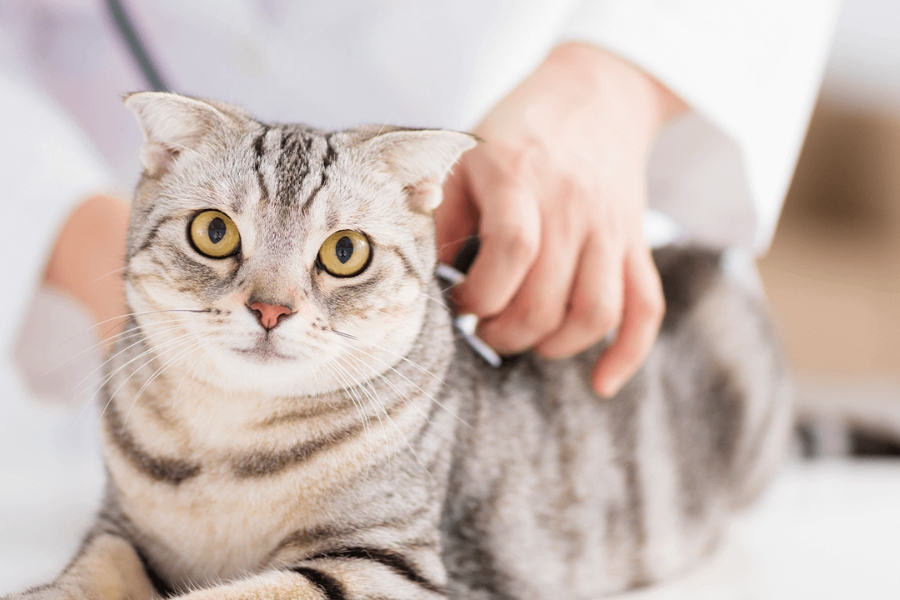
Spaying a female cat is a highly recommended procedure that offers several health and behavioral benefits. It prevents unwanted litters, eliminates heat cycles, and significantly reduces the risk of certain cancers. However, many cat owners notice a common phenomenon after their feline undergoes this surgery—weight gain. You may find yourself asking, “Why do female cats get bigger after being spayed?” This is a valid question, and one with scientific explanations behind it. Fortunately, with informed care, post-surgery weight gain can be effectively managed.
The Hormonal Shift: A Core Reason for Weight Gain
The hormonal shifts that follow spaying are the primary reason why many female cats gain weight. When a cat is spayed, her ovaries are removed, eliminating the production of estrogen, a hormone responsible for regulating metabolism and appetite. Here’s how these hormonal changes affect your cat:
1. Decreased Metabolic Rate
Estrogen plays a crucial role in maintaining a high metabolic rate in unspayed female cats. After spaying, your cat’s metabolism can slow down by as much as 20-30%, which means she burns fewer calories at rest. If her caloric intake stays the same, those unburned calories are stored as fat, leading to weight gain.
2. Increased Appetite
Some studies suggest that the removal of ovarian hormones may lead to an increase in appetite. Although this doesn’t apply to all cats, it’s common for spayed females to show an increased desire for food. With a slower metabolism and potentially higher hunger levels, the risk of gaining weight increases if not carefully managed.
It’s important to note that this is a natural physiological response to the removal of reproductive organs and not a fault of the surgery itself. It’s a trade-off for the health benefits that come with spaying.
Behavioral Changes Contributing to Weight Gain
Along with the hormonal changes, several behavioral and lifestyle adjustments after spaying also contribute to weight gain:
1. Reduced Roaming Instincts
Before being spayed, female cats are often driven by hormonal instincts to seek out mates. This usually leads to more roaming and increased outdoor activity. After the procedure, these instincts are largely removed, and many cats become less active. For indoor cats, this change results in less energy expenditure, making it easier for them to gain weight.
2. Calmer Demeanor
Spaying eliminates the restlessness and stress associated with heat cycles. While this makes your cat calmer and more content, it can also lead to increased lounging and napping, resulting in fewer calories burned throughout the day. A less active cat combined with a reduced metabolism sets the stage for weight gain.
3. Focus Shift to Food
With the urge to find mates removed, some cats may redirect their focus toward food. This isn’t always the case, but for many spayed cats, food becomes an important source of comfort and pleasure.
The Risks of Post-Spay Weight Gain
While weight gain itself might seem harmless, it can lead to significant health risks if left unaddressed. Obesity in cats can cause the following problems:
1. Diabetes Mellitus: Excess weight can lead to insulin resistance, increasing the risk of diabetes.
2. Joint Problems: Extra weight strains joints, which can lead to arthritis and mobility issues.
3. Urinary Tract Disease: Overweight cats are more susceptible to urinary stones and other issues.
4. Liver Disease: Hepatic lipidosis, a severe and potentially fatal condition, can occur as a result of obesity.
5. Heart Disease: Additional weight strains the cardiovascular system, leading to potential heart problems.
6. Reduced Quality of Life: Obese cats are less playful and may not be as mobile, affecting their overall comfort and happiness.
Clearly, managing your cat’s weight post-spaying is crucial for maintaining her overall health.
Managing Post-Spay Weight Gain: Practical Solutions
The good news is that weight gain after spaying can be managed with a few thoughtful steps. A proactive approach is key:
1. Adjust Caloric Intake
The most critical step in managing weight is adjusting your cat’s calorie intake. Consult your veterinarian to determine the appropriate daily caloric intake for your spayed cat. Special cat food brands designed for weight management, indoor cats, or spayed/neutered cats can help regulate calories while still providing the necessary nutrients. You might also consider reducing portion sizes or eliminating free-feeding.
2. Increase Physical Activity
Encourage your cat to be more active. Daily interactive play sessions can stimulate her hunting instincts and provide both mental and physical exercise. Use toys like feather wands, laser pointers, or puzzle feeders to keep her engaged. Cat trees and shelves also offer great opportunities for climbing and jumping. If she’s receptive, harness training can allow for safe outdoor walks.
3. Limit Treats and Table Scraps
Keep treats to no more than 10% of your cat’s daily caloric intake. Opt for low-calorie treats or use her regular kibble as rewards. Avoid feeding her table scraps, as they are often high in unhealthy fats and calories.
4. Regular Veterinary Check-ups
Routine check-ups are essential to monitor your cat’s weight and health. Your veterinarian can offer tailored dietary advice and exercise recommendations, and help identify any underlying conditions that could contribute to weight gain.
While it’s common for female cats to experience weight gain after being spayed, it’s not an inevitable outcome. By proactively adjusting her diet, encouraging regular physical activity, and seeking advice from your veterinarian, you can keep your cat at a healthy weight and ensure a long, active, and happy life. If you’re concerned about your cat’s weight after spaying, contact our veterinarian for personalized advice and support.
FAQs
Q1. Why does my cat gain weight after being spayed?
Ans. Spaying leads to hormonal changes that slow down metabolism and may increase appetite. Combined with reduced physical activity, this can lead to weight gain.
Q2. Can spaying cause a significant change in my cat’s behavior?
Ans. Yes, spaying can make your cat calmer and less active due to the removal of reproductive hormones, which can contribute to weight gain.
Q3. How can I prevent my cat from gaining too much weight after spaying?
Ans. Monitor her caloric intake, provide controlled portions, engage her in physical activities, and avoid excessive treats to prevent weight gain.
Q4. Is weight gain common after spaying?
Ans. Yes, many cats gain some weight after spaying due to changes in metabolism and behavior. However, it can be managed with proper care.
Q5. Should I adjust my cat’s food after spaying?
Ans. Yes, you may need to adjust her food to a lower-calorie formula designed for weight management or spayed/neutered cats.
Q6. How can I tell if my cat is overweight after spaying?
Ans. A healthy cat should have a visible waist and ribs that are easily felt but not seen. Consult your vet to assess her body condition score.